Top Landscaping Services in Fort Gratiot, MI, 48059 | Compare & Call

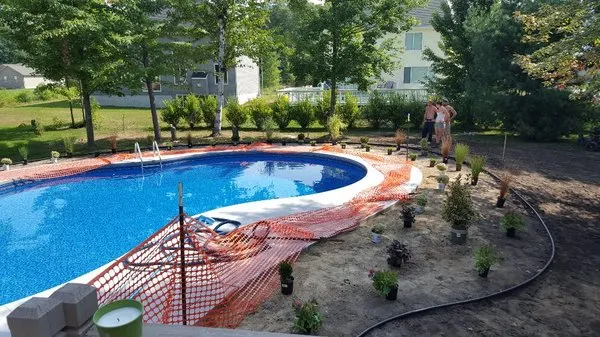
JSM Landscaping is a full-service Fort Gratiot landscaping and masonry contractor serving the Blue Water Area. We combine expertise in landscape construction, hardscaping, and ongoing maintenance to c...

McIntyre Landscaping is your trusted, local partner for maintaining and enhancing your Fort Gratiot property. We understand the common challenges homeowners face here, like deteriorating landscape edg...
Question Answers
How do I handle invasive species without chemical runoff concerns?
Common invasive alerts for Fort Gratiot include garlic mustard and Japanese knotweed, which outcompete natives in disturbed soils. Manual removal before seed set combined with targeted organic herbicides avoids phosphorus contamination regulated under Michigan's Natural Resources and Environmental Protection Act. Apply treatments during dry periods in early morning to prevent runoff into the seasonal high water table. For persistent infestations, solarization using clear plastic sheets heats soil to 120°F, eliminating weed seeds without violating fertilizer ordinance restrictions on synthetic chemicals.
Are concrete pavers better than wood for patio longevity?
Concrete pavers and crushed limestone offer superior durability to wood in Fort Gratiot's freeze-thaw cycles, with 25-40 year lifespans versus wood's 10-15 years. These materials maintain structural integrity despite seasonal soil movement from high water tables. Their non-combustible nature supports the township's Low Fire Wise Rating by creating defensible space around structures. Unlike wood, they don't require chemical treatments that could leach into sandy loam/clay soils, making them compatible with phosphorus-free fertilizer requirements for adjacent planting beds.
Should I worry about water restrictions affecting my lawn?
Fort Gratiot maintains voluntary conservation rather than mandatory restrictions, but smart Wi-Fi ET-based weather sensing irrigation optimizes usage proactively. These systems calculate evapotranspiration rates using local weather data, applying precisely 0.5-1.5 inches weekly that Kentucky Bluegrass/Fine Fescue blends require in USDA Zone 6a. By matching output to actual plant needs rather than fixed schedules, they reduce municipal water consumption 30-50% while maintaining turf health. This approach future-proofs landscapes against potential regulatory changes as climate patterns shift.
Can I reduce maintenance while keeping my property attractive?
Replacing high-maintenance turf with Purple Coneflower, Little Bluestem, Butterfly Milkweed, and Wild Bergamot creates resilient landscapes requiring minimal intervention. These Michigan natives thrive in sandy loam/clay soils with pH 6.5-7.2, needing no fertilization beyond initial establishment. Their deep root systems improve soil structure and drought tolerance while supporting pollinators. This transition aligns with electric equipment adoption under noise ordinance restrictions, eliminating gas-powered blower use during restricted hours while providing year-round visual interest.
What's the best solution for my yard's persistent wet spots?
Seasonal high water tables combined with poor infiltration in sandy loam/clay soils create chronic drainage issues. Installing permeable concrete pavers or crushed limestone hardscapes allows 80-95% of rainfall to percolate into subsoil rather than running off. The Fort Gratiot Township Building & Planning Department requires stormwater management plans for projects exceeding 500 square feet, and these materials typically meet runoff reduction standards. For severe cases, French drains or dry creek beds redirect water while supporting native plantings that tolerate periodic saturation.
How quickly can you respond to storm damage for HOA compliance?
Emergency cleanup crews dispatch from Fort Gratiot County Park via I-69/M-25, reaching most Fort Gratiot Charter Township Central locations within 20-30 minutes during peak response windows. This routing prioritizes arterial roads while avoiding residential bottlenecks. Teams carry electric chainsaws and compact loaders that operate within 7:00 AM to 9:00 PM noise ordinance restrictions. For critical safety hazards like downed trees blocking driveways, same-day service maintains HOA landscape standards without violating local sound regulations.
What permits and licenses are needed for grading my half-acre lot?
Grading a 0.45-acre Fort Gratiot property requires both township approval and state licensing. The Fort Gratiot Township Building & Planning Department issues erosion control permits for soil disturbance exceeding 1 cubic yard, particularly important given poor infiltration soils. Contractors must hold Michigan Department of Licensing and Regulatory Affairs (LARA) landscaping licenses for projects involving drainage modifications or retaining walls over 4 feet. These regulations ensure proper stormwater management on lots where seasonal high water tables could amplify runoff impacts on neighboring properties.
Why does my Fort Gratiot lawn have drainage issues despite regular watering?
Fort Gratiot Charter Township Central properties average 44 years of development since 1982 construction, creating compacted sandy loam/clay soil with reduced permeability. This soil type naturally restricts water infiltration, especially when combined with seasonal high water tables common in the area. Core aeration and organic amendments like compost improve soil structure by increasing pore space and microbial activity. Without these interventions, water pools on the surface rather than reaching root zones, stressing Kentucky Bluegrass/Fine Fescue blends during dry periods.
