Top Landscaping Services in Ford River, MI, 49807 | Compare & Call
There are 81 landscaping companies server in Ford River MI
Monarch Mowing is a Manistique family-owned business dedicated to helping local homeowners achieve beautiful, healthy lawns. We understand that your outdoor space is a central part of home life in the...
Tom's Landscape Home & Lawn Maintenance is a trusted, local landscaping company serving Menominee, MI, and the surrounding areas. We specialize in solving the common yard problems homeowners face, suc...
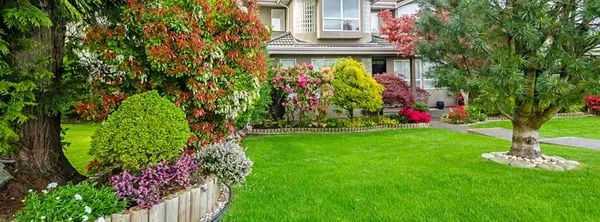
TLC Lawn Service is your trusted, local partner for year-round outdoor care in Menominee, MI. We specialize in professional landscaping and snow removal services designed to tackle the specific challe...
Upstate Land Management provides professional landscaping solutions for property owners in Menominee, MI, and the surrounding Upper Peninsula. We specialize in diagnosing and fixing the area's most co...

Green Lawns Matter is a locally-owned lawn care and landscaping company serving Kaleva, Manistee County, and Benzie County since 2017. Founded by a Penn State Turfgrass Management graduate with experi...
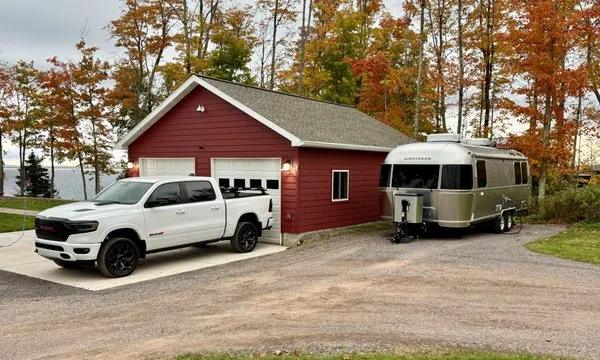
NW Excavating provides professional excavation, landscaping, and septic services for homeowners and businesses in Chassell and the surrounding Keweenaw Peninsula. Our comprehensive services include ev...

26 Michi Home Services is a full-service home improvement contractor based in Lake Linden, MI, specializing in painting, remodeling, and landscaping. We understand that many local homes struggle with ...

Eric's Custom Carpentry Masonry Landscaping Maintenance Handyman
Eric's Custom Carpentry Masonry Landscaping Maintenance Handyman is a trusted, multi-skilled service provider for L'Anse homeowners. Based right here in town, Eric and his team understand the unique c...
Up Scapes is a licensed landscaping company that has been serving the central Upper Peninsula of Michigan, including Chatham, since 2003. They specialize in creating and maintaining beautiful, functio...
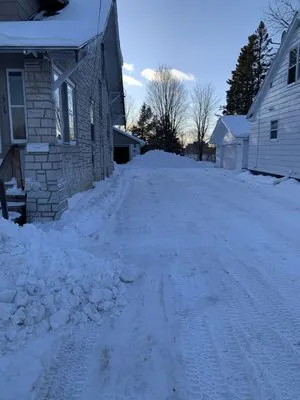
G&S Lawn Care & Snow Removal is a family-owned and operated business proudly serving Crystal Falls and the surrounding area. We believe every home deserves a healthy, well-maintained lawn at a fair pr...
Estimated Landscaping Service Costs in Ford River, MI
Common Questions
How quickly can you respond to emergency storm damage cleanup in Ford River?
Emergency storm response operates on a 20-30 minute dispatch window during peak conditions. Our crews route from Ford River Township Hall via US-2, accessing residential areas through the township's arterial road network. This timing accommodates debris assessment and equipment mobilization while meeting HOA compliance deadlines. We maintain electric-powered chippers and loaders that operate within quiet hours, allowing extended work windows without violating noise ordinances.
What permits and licenses are needed for regrading my 0.45-acre Ford River property?
Grading projects disturbing over 1 cubic yard of soil require Delta County Planning & Zoning Department review for erosion control and drainage compliance. On a 0.45-acre lot, professional licensing through Michigan LARA (Department of Licensing and Regulatory Affairs) is mandatory for contractors performing earthwork exceeding $600 value. Licensed professionals carry insurance covering subsurface utility strikes and soil stability issues. This protects homeowners from liability related to altered drainage patterns affecting neighboring properties in the Ford River Residential District.
Why does my Ford River Residential District lawn have patchy grass despite regular watering?
Properties built around 1982 have 44-year-old soil profiles that have become compacted over time. Ford River's acidic sandy loam (pH 6.2) naturally loses organic matter through decades of standard maintenance, reducing water retention and nutrient availability. Core aeration every 2-3 years introduces oxygen and creates channels for water infiltration. Incorporating compost or well-aged manure increases soil organic content to 5-8%, improving both moisture retention and microbial activity in this established neighborhood.
What invasive species should Ford River homeowners watch for in their landscapes?
Japanese knotweed and garlic mustard present significant threats in Delta County, spreading rapidly through root systems and seed dispersal. Manual removal before seed set combined with targeted spot treatments using glyphosate alternatives prevents soil contamination. These methods comply with Michigan's Phosphorus Fertilizer Application Act, which prohibits phosphorus applications except during new turf establishment. Treatment timing avoids blackout dates in early spring when groundwater recharge is highest, protecting Ford River's aquatic ecosystems.
What drainage solutions work best for Ford River's seasonally saturated yards?
High water tables in acidic sandy loam require subsurface drainage systems that manage seasonal saturation without creating dry conditions. French drains with clean gravel and perforated pipe at 18-24 inch depths redirect groundwater away from foundations. Crushed limestone aggregate as a permeable hardscape material meets Delta County Planning & Zoning Department runoff standards by allowing 8-12 inches per hour infiltration. Grading should maintain a 2% slope away from structures while preserving natural drainage patterns across the property.
Is crushed limestone better than wood for patio materials in our climate?
Crushed limestone aggregate outperforms wood in longevity and maintenance requirements for Michigan's freeze-thaw cycles. Its 25+ year lifespan contrasts with wood's 8-12 year replacement cycle, providing better return on investment. The material's light color reflects heat, reducing urban heat island effect while maintaining surface temperatures comfortable for use. Though Ford River has a Low Fire Wise rating, crushed limestone creates defensible space without combustible materials, an important consideration for future climate adaptation planning.
Can I reduce maintenance by replacing some lawn with native plants?
Transitioning high-maintenance turf to native plantings creates ecological benefits while reducing gas-powered equipment use. Common Milkweed, Wild Bergamot, Little Bluestem, and Black-eyed Susan establish deep root systems that require no irrigation after establishment. These natives support local pollinators and provide year-round visual interest with minimal maintenance. This approach anticipates potential tightening of gas blower regulations under noise ordinances while creating habitat corridors that exceed 2026 biodiversity benchmarks.
Should I install smart irrigation with Ford River's current water restrictions?
Stage 0 water restrictions permit irrigation but encourage conservation through technology adoption. Smart Wi-Fi soil moisture sensors measure actual root zone conditions rather than operating on fixed schedules, reducing Kentucky Bluegrass water use by 30-50%. These systems integrate local ET (evapotranspiration) data and weather forecasts to deliver precise irrigation volumes. This approach maintains turf health while staying well below municipal water allocation limits, providing drought resilience as climate patterns shift.
