Top Landscaping Services in Ferris Township, MI, 48891 | Compare & Call
There are 48 landscaping companies server in Ferris Township MI
Lance Lawn and Garden is a trusted local lawn care and gardening service based in Carson City, MI, dedicated to maintaining and enhancing outdoor spaces for residents and businesses. We specialize in ...

Koda's Outback Lawn Care is a local, owner-operated lawn service based right here in Carson City, Michigan. Founded by Koda, a dedicated professional with over two years of hands-on experience in the ...
Country Lawn Maintenance is your dedicated Sheridan, MI, partner for a healthy, resilient lawn. We understand the local challenges of tree root lawn damage and fungal diseases, which can quickly compr...
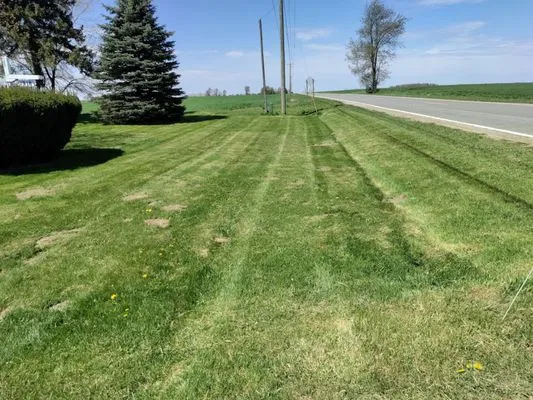
M and P Quality Lawn Care is your trusted, local lawn service provider in Stanton, MI. We understand the common challenges Stanton homeowners face, such as irrigation timer failures and patchy, uneven...
Current Lawn Care provides professional landscaping services in Crystal, MI, helping homeowners tackle the area's most persistent yard problems. We specialize in diagnosing and treating common local i...
Moore's Landscaping is your trusted, locally-owned landscaping partner in Edmore, MI, dedicated to keeping your outdoor spaces healthy and beautiful. We specialize in addressing common local challenge...
R & M Field Service is your trusted local partner in Stanton, MI, for keeping your property vibrant and well-maintained year-round. We specialize in gardening, landscape maintenance, and snow removal,...
Greencure Lawn Care is Sheridan, MI's trusted partner for a healthy, vibrant lawn. We understand the common local challenges homeowners face, such as damaging lawn fungus diseases and inefficient spri...
Estimated Landscaping Service Costs in Ferris Township, MI
Question Answers
How can we keep our Kentucky Bluegrass healthy during dry spells without violating water rules?
Smart Wi-Fi soil moisture sensor controllers are the most effective tool for conservation. These devices bypass scheduled watering when soil moisture is adequate, applying water only during the specific evapotranspiration (ET) window when plants can use it. This precision prevents overwatering, reduces runoff on sandy loam, and keeps irrigation within municipal conservation guidelines. Properly programmed, this system can maintain turf health while reducing total water use by 20-30%.
We have a persistent soggy spot in a low area of our yard every spring. What's the best solution?
This indicates a seasonal high water table combined with poor infiltration in a depression, a frequent issue in Ferris Township. The most reliable fix is a French drain system that collects and redirects this water. For any new patios or paths in such areas, using permeable crushed limestone as a base with concrete pavers set on sand will significantly improve surface infiltration. These methods often meet Montcalm County's standards for managing stormwater runoff on-site.
I've spotted what looks like Japanese Knotweed near my property line. How should I handle it?
Japanese Knotweed is a highly invasive species alert for this region. Eradication requires a targeted, multi-year herbicide application program. Due to statewide phosphorus application restrictions near water bodies, any treatment plan must be carefully designed to use approved herbicides at specific times, avoiding local blackout dates to protect watersheds. Professional application ensures compliance and prevents the spread of this destructive plant.
We're tired of constant mowing and gas-powered noise. What's a lower-maintenance, quieter alternative?
Transitioning sections of high-maintenance turf to a native plant community is a forward-looking solution. Species like Butterfly Weed, Little Bluestem, and Wild Bergamot establish deep root systems that require no irrigation or mowing once established. This creates a perennial landscape that supports pollinators and, critically, eliminates the need for gas-powered blowers and mowers. This proactively aligns with evolving noise ordinances focused on quiet, electric maintenance equipment.
A major storm brought down a large branch. How quickly can a crew respond for an emergency cleanup?
For a critical safety hazard, a crew can typically be dispatched within 90 minutes. The primary route from our staging area uses Ferris Township Hall as a landmark to access M-46, which provides direct access to Ferris Center. During peak traffic or severe weather events, the travel time can extend to the 45-60 minute range. We prioritize these calls to secure the site and prevent further property damage.
We want to regrade a sloping section of our 1.5-acre lot. What permits and contractor credentials are required?
Significant regrading on a lot of this size typically requires a permit from the Montcalm County Building Department to ensure proper erosion control and drainage. More critically, you must hire a contractor licensed by the Michigan Department of Licensing and Regulatory Affairs (LARA) for this work. LARA licensing ensures the contractor carries the required insurance and understands state sediment control laws, which is vital for preventing off-site water pollution and legal liability.
We're adding a patio. Is wood or crushed limestone better for longevity and safety here?
For longevity and aligning with the Moderate Fire Wise rating of this woodland interface area, crushed limestone and concrete pavers are superior. Wood decks require constant sealing and can become a fuel source. A crushed limestone base with paver surfaces is non-combustible, provides excellent drainage on sandy loam, and requires minimal maintenance. This material choice also contributes to defensible space by creating a fire-resistant zone adjacent to the home.
Our lawn is spongy and thin, especially near the house. Is this typical for Ferris Center homes built in the early 80s?
Yes, this is a common legacy of construction practices from 1983. After 43 years, the sandy loam topsoil was often stripped and compacted by heavy equipment, leading to a dense, nutrient-poor layer just below the surface. This layer severely limits root penetration and water infiltration, causing the spongy feel from shallow roots. Core aeration and the addition of composted organic matter are critical to rebuild soil structure and restore permeability for healthy turf.
