Top Landscaping Services in Farmington Hills, MI, 48167 | Compare & Call

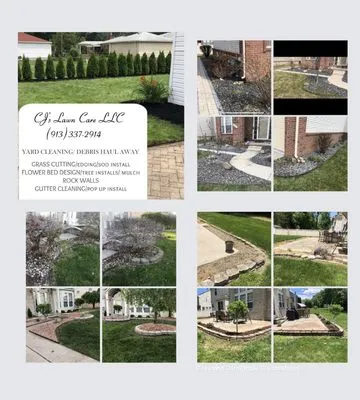
At CJ's Lawn Care in Farmington Hills, we specialize in comprehensive outdoor solutions, from foundational earthmoving to the final decorative touch. Our passion lies in transforming challenging yards...
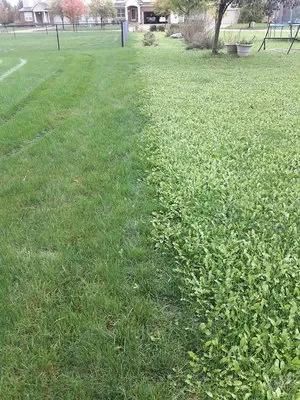
Natural Way Lawn & Tree Service
Natural Way Lawn & Tree Service is a family-owned business in Farmington Hills, MI, founded on providing greener alternatives to traditional lawn care. Starting with 650 customers in our first year, w...
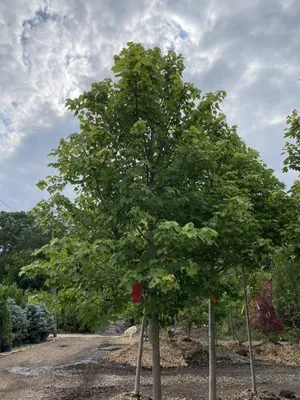
Steinkopf Nursery is a family-owned garden center that has been serving the Detroit and Farmington Hills community since 1931. With over 80 years of experience, we specialize in a diverse selection of...
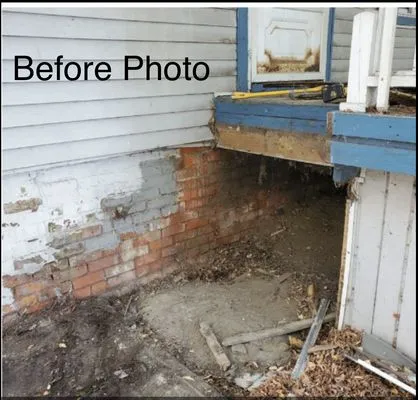
Full Range Handyman is a licensed, full-service contractor serving Farmington Hills and surrounding communities. We specialize in turning home improvement ideas into reality, from foundational landsca...
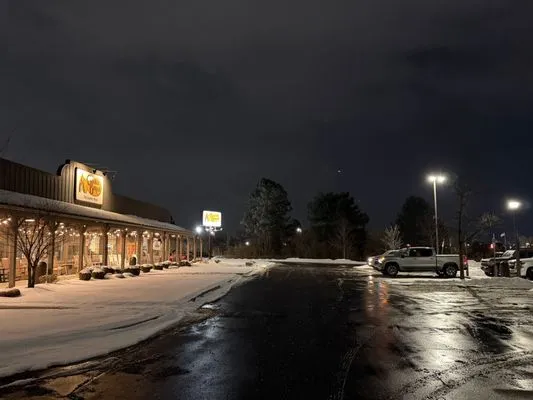
Lawn Life Landscape is a family-owned and operated lawn care and snow removal company proudly serving Farmington Hills and surrounding communities since 2002. With decades of combined experience, our ...
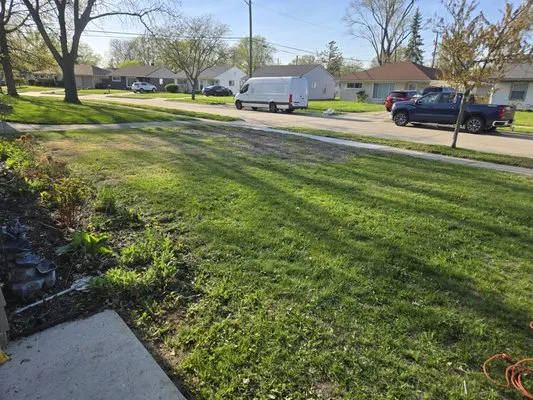
Reed's Landscaping & Lawn Care is a trusted local provider in Farmington Hills, MI, specializing in comprehensive landscaping solutions tailored to the area's specific challenges. We understand that F...
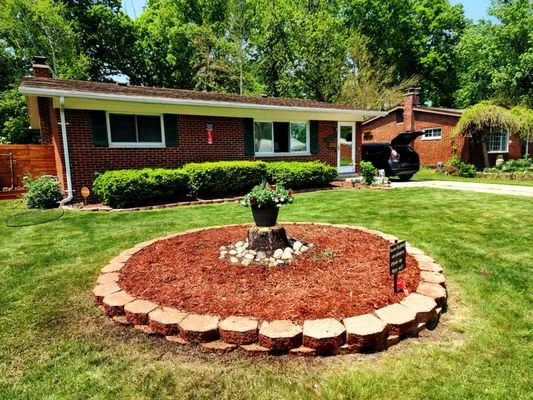
True Cut Tree Care is a family-owned and locally operated tree service based in Farmington Hills, MI. Licensed and fully insured, we specialize in complex and hazardous tree work, often assisting othe...

Gerry's Prime Cut has been the trusted name for Farmington Hills landscaping since 1990. As a family-owned business, we understand the unique character of Oakland and Wayne county properties, from the...
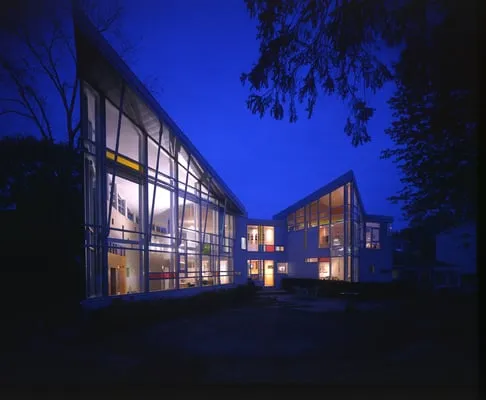
Matthew G Strickfaden and Associates
Matthew G. Strickfaden and Associates has been a trusted name in southeast Michigan's construction industry since 1983. As a licensed builder with over 25 years of experience, Matthew G. Strickfaden l...
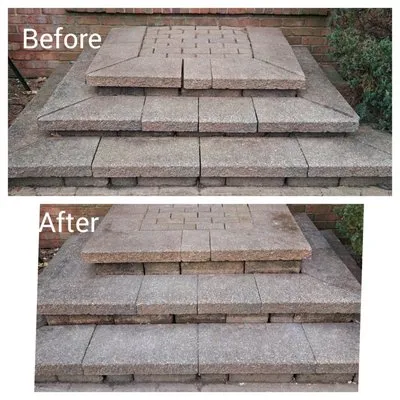
The Stone's Garden is a family-owned landscape construction company rooted in Farmington Hills, Michigan, serving the entire Southeast region. For over 40 years, our combined expertise as licensed bui...
Common Questions
My lawn in Heritage Glens seems thin and compacted. Is this a common issue for homes from the 1980s?
Yes, soil maturity is a key factor. Homes built around the neighborhood average of 1979 have soils that have settled for nearly 50 years. The prevalent Miamian-Houghton Complex soil here has a naturally high clay content, which compacts easily and restricts root growth. This leads to poor percolation and thin turf. A core aeration program, combined with top-dressing with organic compost, is essential to improve soil structure and oxygenate the root zone for healthier grass.
We have a smart controller, but our Kentucky Bluegrass still struggles in summer. How do we water effectively with no city restrictions?
Effective irrigation hinges on precise scheduling, not just the absence of restrictions. Your Wi-Fi controller must be programmed with accurate local evapotranspiration (ET) data to replace only the water the grass uses. For your Fine Fescue and Bluegrass blend, this typically means fewer, deeper watering cycles that encourage profound root growth and drought tolerance. This ET-based method optimizes soil moisture, prevents the seasonal waterlogging common in our clay soils, and keeps you well within municipal water use guidelines.
We're replacing a wood deck. Are stamped concrete or clay pavers a better choice for longevity?
For longevity and low maintenance, both stamped concrete and clay pavers vastly outperform wood. Concrete offers a monolithic, customizable surface, while clay pavers provide a classic look with individual units that accommodate frost heave. Both are non-combustible, contributing to a higher Fire Wise rating for defensible space—a consideration even in our low-risk suburban zone. Your choice should factor on the desired aesthetic, budget for initial installation, and the need for permeability in your specific soil drainage context.
We want to regrade our yard. What permits and contractor credentials should we verify?
Regrading a 0.35-acre lot typically requires a permit from the Farmington Hills Planning & Community Development Department, as it alters stormwater flow patterns. It is imperative to hire a contractor holding appropriate licensing through the Michigan Department of Licensing and Regulatory Affairs (LARA). This ensures they are bonded, insured, and knowledgeable about state and local codes, including soil erosion control measures during the project. Never proceed without verifying these credentials, as improper grading can create costly drainage liabilities for you and your neighbors.
Our backyard has persistent puddling after rain. What's a long-term solution that also looks good?
Seasonal water logging is a direct result of the low permeability in our region's clay-heavy soils. A functional and aesthetic solution involves regrading to create positive slope away from the home and installing a French drain system tied to a dry well. For new patios or walkways, specify permeable clay pavers or porous stamped concrete. These materials allow stormwater to infiltrate the ground, reducing runoff and often simplifying compliance with local Planning & Community Development standards for stormwater management.
I want to reduce mowing and gas-powered maintenance. What are my options?
Transitioning to a climate-adaptive landscape is the strategic solution. Replace high-input turf areas with drifts of native plants like Purple Coneflower, Little Bluestem, and Butterfly Weed. These species are evolved for Michigan's Zone 6a climate, requiring no irrigation once established and minimal care. This shift significantly reduces the need for weekly mowing and gas-powered leaf blowers, future-proofing your property against tightening noise ordinances and moving toward a 2026 biodiversity standard for suburban landscapes.
I've spotted what looks like Japanese Knotweed. How should I handle invasive species here?
Early identification and professional treatment are critical for invasive species like Japanese Knotweed or Garlic Mustard. Manual removal is often insufficient for established perennials. A licensed applicator will use a targeted, systemic herbicide applied at the correct phenological stage. Crucially, any follow-up soil amendments or fertilization must use phosphorus-free products as mandated by Michigan law, and applications are timed to avoid local blackout dates to protect watershed health.
If a storm brings down a large limb, what is your typical emergency response time for a cleanup?
Our standard emergency dispatch targets a 20-30 minute arrival for priority safety issues in Farmington Hills. For a location in Heritage Glens, our crew would route from our central staging area near Heritage Park, utilizing I-696 for the most efficient cross-town access. This protocol ensures we can secure the site and begin HOA-mandated debris removal within the restricted service hours, complying with the city's 8:00 AM to 8:00 PM noise ordinance for equipment operation.
