Top Landscaping Services in Fabius, MI, 49067 | Compare & Call
There are 123 landscaping companies server in Fabius MI
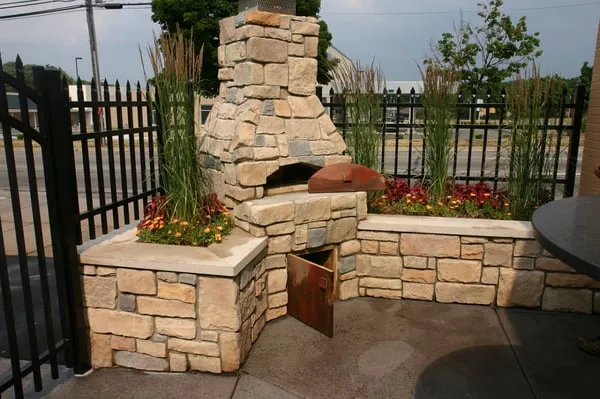
Founded in 1997 by Troy Stefl, Landscape Designworks was created to fill a need for comprehensive, aesthetically pleasing landscape design and installation in West Michigan. Recognizing the area's uni...
Sipla Landscape Company
Sipla Landscape Company has been a trusted name in Watervliet, MI, and the surrounding communities since 2014. We specialize in creating and maintaining functional, beautiful outdoor spaces, from comp...
Second Nature Gardens
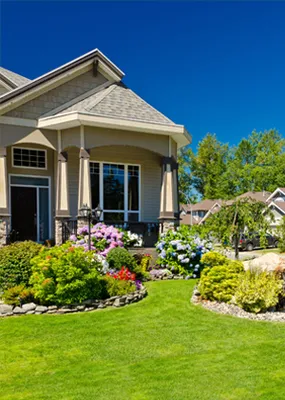
At Second Nature Gardens, we are your local partners for creating and maintaining beautiful, functional outdoor spaces in Saint Joseph and throughout Berrien County. As a licensed lawn applicator and ...
Martin Landscaping is a trusted, locally-owned landscaping company serving the Watervliet, MI community. We understand the unique challenges homeowners face in our area, from the cleanup of fallen bra...
Choice Lawn Service is a family-owned and operated lawn care provider proudly serving the Battle Creek community since 2013. Rooted in a commitment to reliability and quality, our team is fully insure...

TJ's Custom Outdoor Services is a trusted, locally-owned business in Three Rivers, MI, dedicated to keeping your property beautiful and functional year-round. We specialize in comprehensive lawn care,...
Ron's Yardcare is a trusted local lawn service provider in Three Rivers, MI, dedicated to helping homeowners maintain healthy, beautiful lawns. We specialize in comprehensive lawn care solutions that ...
Seven Blades Lawncare is a trusted, locally-owned landscaping service provider serving Three Rivers, MI, and the surrounding area. We specialize in comprehensive lawn care, reliable snow removal, and ...
Mowtowne Landscape Service is a trusted local landscaping company serving Three Rivers, MI, and the surrounding areas. We specialize in addressing common local landscaping challenges, such as lawn mos...
First Impressions Lawn Care is your trusted local lawn care specialist in Three Rivers, MI, dedicated to creating and maintaining beautiful, healthy landscapes. We understand the unique challenges fac...
Estimated Landscaping Service Costs in Fabius, MI
Common Questions
Our Fabius Township Residential Core yard seems compacted and drains poorly. What's the underlying soil issue?
Properties built around 1984 have 42-year-old soil systems that typically exhibit compaction from decades of foot traffic and equipment use. Sandy loam soils in this neighborhood naturally have moderate permeability, but without regular organic amendments, they lose structure and water-holding capacity. Core aeration every 2-3 years combined with compost topdressing rebuilds soil aggregates and improves percolation rates. This addresses the pH 6.2-6.8 range while preventing surface runoff during seasonal high water table periods.
What permits and licensing are required for grading work on our half-acre property?
Grading projects on 0.50-acre lots in Fabius Township require St. Joseph County Building Department permits for any earth movement exceeding 50 cubic yards. Contractors must hold Michigan LARA landscaping licensure with specific endorsements for earthwork and erosion control. The permitting process evaluates soil disturbance relative to the seasonal high water table and ensures proper sediment management. Professional licensing verifies competency in soil mechanics and drainage principles essential for working with sandy loam's specific characteristics.
Should we choose concrete pavers or wood for our new patio considering longevity and maintenance?
Concrete pavers offer superior longevity with 25-30 year lifespans versus wood's 10-15 years in Michigan's climate. The non-combustible nature of concrete and crushed limestone materials supports Low Fire Wise Rating compliance by maintaining defensible space. These materials also resist frost heave better in Zone 6a conditions. Proper installation with appropriate base materials ensures stability despite the moderate seasonal high water table, while permeable options manage runoff without additional drainage infrastructure.
How do we maintain Kentucky Bluegrass and Fine Fescue turf without violating water conservation guidelines?
Smart Wi-Fi soil moisture sensors provide ET-based irrigation scheduling that reduces water use by 30-40% compared to traditional timers. These systems monitor soil moisture at multiple root zone depths, triggering irrigation only when turfgrass reaches predetermined stress thresholds. This approach maintains turf health while staying within voluntary conservation parameters. The technology integrates with municipal water monitoring systems, providing usage data that supports sustainable water management in sandy loam soils.
We need emergency storm cleanup to meet HOA compliance deadlines. What's your dispatch protocol?
Emergency response teams deploy from Fabius Township Hall with equipment staged for rapid mobilization. The route follows US-131 with optimized traffic routing algorithms, ensuring arrival within the 25-35 minute peak storm response window. Crews prioritize safety zone establishment and debris management according to Fabius Township Residential Core covenants. All equipment meets the 7 AM to 9 PM noise ordinance restrictions through scheduled deployment timing.
Our yard has standing water during spring thaws. What drainage solutions work with our soil type?
Sandy loam's moderate permeability combined with seasonal high water tables requires engineered drainage solutions. French drains with proper aggregate sizing and geotextile fabric manage subsurface water movement effectively. Permeable concrete pavers or crushed limestone hardscapes meet St. Joseph County Building Department runoff standards by allowing infiltration. These systems work with the soil's natural 6.2-6.8 pH range without creating alkaline conditions that could affect adjacent planting beds.
What alternatives exist for reducing weekly mowing while maintaining property aesthetics?
Transitioning high-maintenance turf areas to native plant communities featuring Butterfly Milkweed, Wild Bergamot, Little Bluestem, and Black-eyed Susan reduces mowing frequency by 80-90%. These deep-rooted perennials establish mycorrhizal networks that improve soil structure and drought tolerance. The approach aligns with evolving noise ordinance trends toward electric equipment by minimizing gas-powered mower use. Native plantings also support local pollinator populations while requiring minimal irrigation once established.
We've spotted invasive species in our landscape. How do we treat them without violating fertilizer regulations?
Invasive species management requires integrated approaches that avoid phosphorus-containing products during restricted application windows. Mechanical removal combined with targeted organic herbicides applied during optimal growth phases provides effective control. The statewide phosphorus ban on turf allows exceptions for establishing native plantings, which can be leveraged during renovation projects. Proper timing avoids blackout dates while ensuring treatments don't leach into the seasonal high water table common in Fabius soils.
