Top Landscaping Services in Everett, MI, 49337 | Compare & Call
There are 93 landscaping companies server in Everett MI
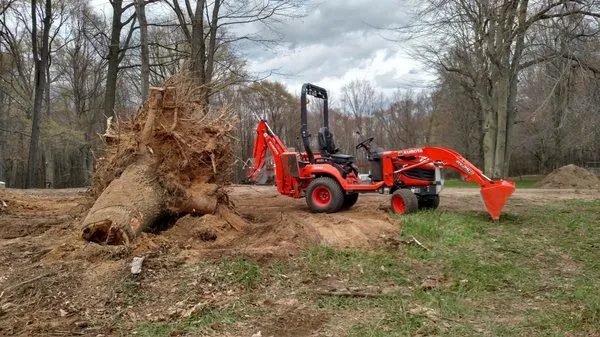
Total Earth Works is a Fremont-based contractor specializing in landscaping, tree care, and excavation. We help local homeowners tackle common West Michigan challenges like poor drainage from soil com...
Hello, I'm Ray, the owner of R&C Cleaning and Lawncare. At 16 years old, I'm building this business in Fremont with a clear goal: to become a successful business owner by the time I'm 20. I'm passiona...
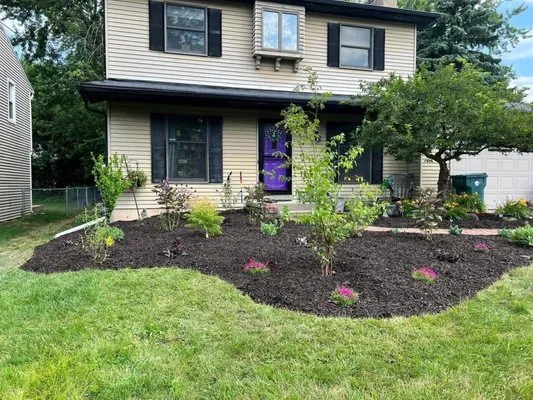
The Little Mitten Landscape is your trusted, local expert in Newaygo, MI, dedicated to maintaining beautiful and healthy outdoor spaces year-round. We specialize in gardening, landscape maintenance, a...
Nc Lawn Care & Snowplowing
Nc Lawn Care & Snowplowing is your local, Newaygo-based expert for year-round property care. We specialize in helping homeowners tackle common landscaping challenges like overgrown shrubs and persiste...
Ale Home Improvement is a full-service landscaping company serving Newaygo, MI, and the surrounding areas. We specialize in creating and maintaining beautiful, functional outdoor spaces tailored to We...
Ace It Lawn Care is a trusted lawn service provider based in Newaygo, MI, specializing in comprehensive lawn care solutions tailored to the local environment. We understand the common landscaping chal...
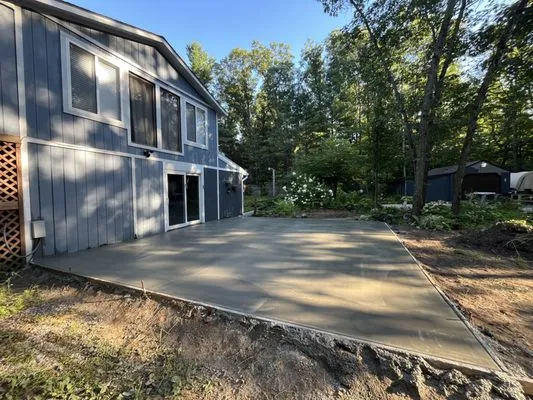
CC Building And Outdoor Services is your Grant, MI, neighbor for comprehensive property solutions. We specialize in excavation, masonry, and landscaping, addressing common local challenges like standi...
On the Move Lawn Care is a dedicated lawn service provider serving the Newaygo, MI community. We understand the common local challenges homeowners face, such as patchy lawn grass and persistent sprink...

Sharp Enterprise is a trusted, full-service contractor in White Cloud, MI, specializing in well drilling, general contracting, and landscaping. We understand the unique challenges of our local environ...
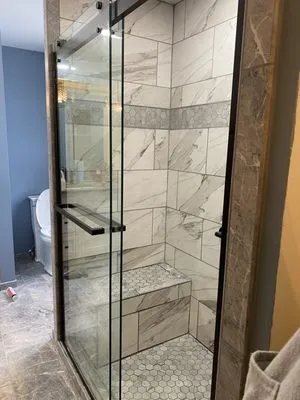
Towne And Country Services is your trusted local partner in White Cloud, MI, for comprehensive tree, lawn, and flooring care. We understand the specific challenges White Cloud homeowners face, such as...
Estimated Landscaping Service Costs in Everett, MI
Questions and Answers
How quickly can you respond to storm damage for HOA compliance?
Emergency cleanup crews dispatch from Everett City Hall via US-127, arriving within 20-30 minutes during peak conditions. We prioritize safety assessments before debris removal, focusing on downed branches and compromised hardscape elements. All equipment meets current noise ordinance standards for operation between 7:00 AM and 10:00 PM. Documentation for HOA compliance includes before/after photos and disposal verification.
Are concrete pavers better than wood for Everett's climate?
Concrete pavers withstand freeze-thaw cycles better than wood, which deteriorates within 5-7 years in Michigan's humid continental climate. Crushed limestone bases provide superior drainage compared to wood's moisture retention. In Low Fire Wise rated areas, non-combustible materials create defensible space without fuel loading concerns. Properly installed paver systems last 25+ years with only occasional joint sand replenishment.
How can I reduce maintenance while supporting local pollinators?
Replacing high-input turf with Purple Coneflower and Butterfly Milkweed creates habitat requiring minimal intervention. These Michigan natives thrive in Zone 5b with seasonal rainfall alone after establishment. Electric maintenance equipment operates within noise ordinance parameters while eliminating fossil fuel emissions. Little Bluestem and Wild Bergamot provide year-round visual interest with only annual cutting back in early spring.
What solutions prevent seasonal flooding in loamy sand soils?
Moderate seasonal high water tables require graded swales directing runoff away from foundations. Permeable concrete pavers allow 30-40% more water infiltration than traditional asphalt, meeting Everett City Planning & Development runoff standards. French drains with washed gravel aggregate provide subsurface drainage channels. Soil amendments like expanded shale increase permeability while maintaining structural integrity for hardscape installations.
Will my Kentucky Bluegrass lawn survive without violating water restrictions?
Wi-Fi ET-based weather sensing irrigation calculates evapotranspiration rates specific to Everett's microclimate. This technology adjusts watering schedules daily based on temperature, humidity, and precipitation data. During Stage 0 restrictions, systems deliver 1-1.5 inches weekly to maintain Fine Fescue mixes while conserving municipal water. Deep, infrequent watering encourages root development down to 6-8 inches for drought resilience.
What permits and licenses are required for grading my 0.22-acre lot?
Everett City Planning & Development requires grading permits for soil movement exceeding 50 cubic yards. Michigan LARA mandates licensed landscape architects for designs altering drainage patterns or adding retaining walls over 4 feet. Contractors must carry specific bonding for earthwork on properties under 0.5 acres due to proximity concerns. Erosion control measures meeting MDARD standards must be documented before project commencement.
What invasive species threaten Everett landscapes and how are they controlled?
Japanese knotweed and garlic mustard present the highest risk in Downtown Everett due to their aggressive rhizome systems. Manual removal before seed set prevents spread without chemical intervention. For persistent infestations, targeted glyphosate applications follow soil test protocols to avoid phosphorus violations. Treatment windows align with active growth phases in late spring and early fall, avoiding municipal blackout dates for fertilizer applications.
Why does my Downtown Everett lawn struggle with compaction and poor drainage?
Everett properties built around 1982 have soil systems approximately 44 years old. Loamy sand soils in this neighborhood naturally lose organic matter over decades, reducing permeability and water retention. Core aeration every 2-3 years introduces oxygen and creates channels for root growth. Adding compost or well-aged manure improves soil structure while maintaining the optimal pH range of 6.2-6.8 for most turf and ornamental plants.
