Top Landscaping Services in Elmer Township, MI, 48619 | Compare & Call
There are 66 landscaping companies server in Elmer Township MI
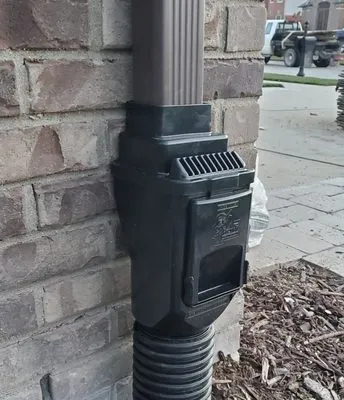
Robert Sherwood, known locally as the French Drain Man, has made it his mission to protect Almont homes from water damage. After witnessing the havoc caused by flooding firsthand, he built a business ...
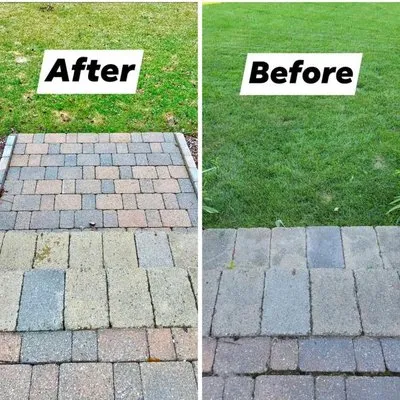
SayNello Outdoors is a Washington, MI-based landscaping and construction company specializing in masonry, concrete work, and pressure washing. We provide comprehensive outdoor solutions including driv...
Wolf Ridge is a locally owned and operated lawn care service based in Imlay City, Michigan, dedicated to providing reliable and flexible lawn maintenance for residents throughout Lapeer County and sur...

At The Tree Meister, we blend a genuine passion for the outdoors with a commitment to honest, reliable service for Grand Blanc residents. We started in 2021 with a simple principle: treat every client...
MI Green Thumb Lawn Care is a family-owned lawn care service dedicated to helping residents and businesses in Marlette and throughout Sanilac County achieve a healthy, well-kept lawn. For over ten yea...
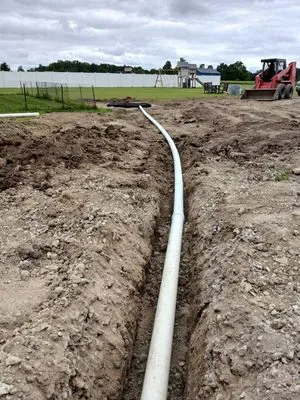
Green Oasis Landscaping is a locally owned and operated business in Columbiaville, MI, founded by a young entrepreneur who chose to build a reputation through hands-on work rather than corporate paths...

First Choice Lawn & Landscape LLC is a locally owned and operated business serving Sandusky, MI, and the greater Sanilac County area. Founded in 2012, we have grown steadily by focusing on reliability...
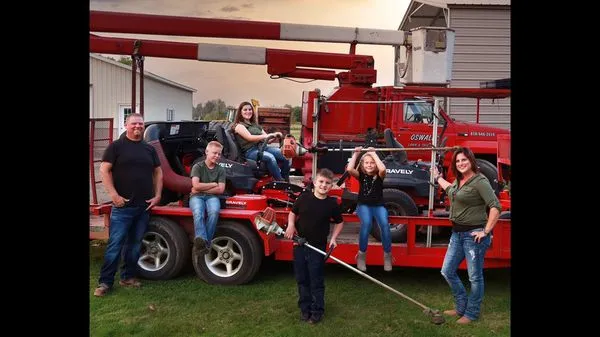
Oswald Lawn & Tree is a trusted, locally-owned lawn and tree care provider serving Sandusky and the surrounding area. We understand that many homeowners here face challenges with lawn fungus and poor ...

Diamond Edge Lawn Care & Solution is your local Peck partner for a healthy, vibrant lawn. We understand the specific challenges homeowners in our area face, such as unsightly and damaging tree root in...
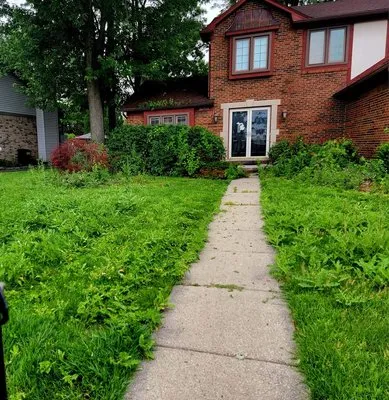
Rapid Lawn Maintenance is a family-owned lawn care and snow removal business serving Brown City, MI, and surrounding areas. We specialize in maintaining large properties, treating each client's yard w...
Estimated Landscaping Service Costs in Elmer Township, MI
Q&A
What permits and licenses are needed for grading my large property?
Grading projects on 2.5-acre lots require Sanilac County Building & Zoning Department permits for erosion control and drainage alterations. Michigan LARA licensing ensures contractors understand soil movement regulations and proper compaction techniques. Professional oversight prevents violations of the Natural Resources and Environmental Protection Act regarding runoff management. These requirements protect both property value and watershed health in Elmer Township.
Why does my lawn have compacted soil that struggles to absorb water?
Elmer Township Central properties average 45 years since construction in 1981, creating mature but compacted soil profiles. Sandy loam soils in this neighborhood naturally lose structure over decades, reducing permeability and root penetration. Core aeration every 2-3 years introduces oxygen channels while incorporating compost improves water retention in the pH 6.2-6.8 range. This addresses the gradual compression from decades of foot traffic and maintenance equipment.
Can I maintain Kentucky Bluegrass and Fine Fescue without wasting water?
Soil-moisture sensor bypass systems prevent irrigation when precipitation or groundwater meets plant needs. These systems monitor root zone moisture in sandy loam soils, applying water only during actual deficits. This approach maintains turf health while staying within voluntary conservation guidelines. Properly calibrated systems reduce water use 30-50% compared to timer-based irrigation in Elmer Township's climate.
Should I replace some lawn with native plants to reduce maintenance?
Transitioning high-maintenance turf to Common Milkweed, Little Bluestem, and Wild Bergamot creates resilient landscapes requiring minimal inputs. Native plantings support local pollinators while reducing mowing frequency and associated noise. This approach anticipates potential gas-blower restrictions under noise ordinances. Established native gardens need only seasonal attention, aligning with 2026 biodiversity standards for rural interfaces.
How do I control invasive species without harming my garden?
Early detection and manual removal prevent invasive establishment while avoiding Michigan's fertilizer ordinance restrictions. Target species like garlic mustard or spotted knapweed require careful extraction before seed set. Organic treatments using horticultural vinegar or flame weeding provide chemical-free options. Always verify treatment timing falls outside local blackout dates for nutrient applications.
How quickly can you respond to storm damage for HOA compliance?
Emergency cleanup dispatch routes from Elmer Township Hall via M-65 to reach most properties within 45-60 minutes during peak conditions. Our electric maintenance fleet operates within standard noise nuisance ordinances while providing rapid response. We prioritize safety assessments, debris removal, and temporary stabilization to meet compliance deadlines. This timing accounts for rural road conditions and simultaneous service requests.
What solutions work for seasonal water table issues in my yard?
Moderate seasonal high water tables in sandy loam require graded swales directing water away from structures. Permeable crushed limestone bases under concrete pavers increase infiltration rates while meeting Sanilac County runoff standards. French drains with clean stone aggregate provide subsurface relief during spring saturation. These approaches manage surface and groundwater without creating erosion or compliance issues.
Are crushed limestone and concrete pavers better than wood for durability?
Crushed limestone bases with concrete pavers offer 25+ year lifespans versus wood's 10-15 years in Michigan's freeze-thaw cycles. These materials maintain structural integrity while providing fire-wise defensible space in moderate-risk zones. Proper installation creates stable surfaces resistant to frost heave and moisture damage. This approach reduces long-term replacement costs and maintenance demands on 2.5-acre properties.
