Top Landscaping Services in Elk Township, MI, 48401 | Compare & Call
There are 33 landscaping companies server in Elk Township MI
Welch’s Lawn Service is a trusted, locally-owned lawn care provider serving Wellston, MI, and the surrounding area. We understand the unique challenges of local properties, including soil compaction a...

ABC Property Management / Logging
ABC Property Management/Logging LLC, co-owned by Joe Murrey Jr., has been serving the Baldwin community since 2014. This locally-owned business operates year-round, providing a comprehensive range of ...
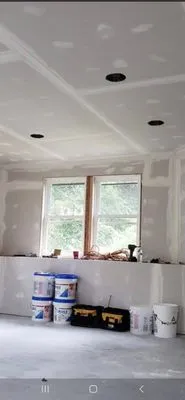
Jake's Handyman Service is a locally owned and operated business in Free Soil, MI, dedicated to providing reliable and affordable home improvement solutions. Founded with a mission to help seniors and...

Green Lawns Matter is a locally-owned lawn care and landscaping company serving Kaleva, Manistee County, and Benzie County since 2017. Founded by a Penn State Turfgrass Management graduate with experi...
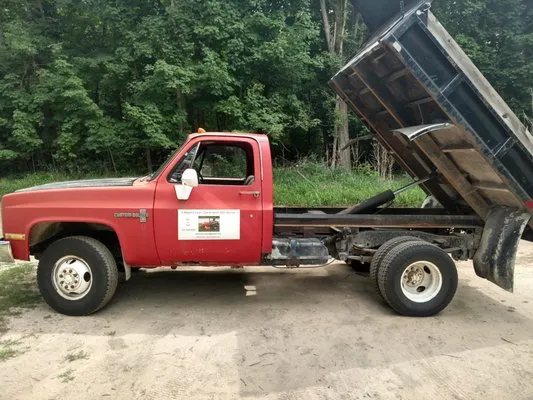
4 Seasons Lawn Care & Handy Man Service
4 Seasons Lawn Care & Handy Man Service is Fountain's trusted local partner for maintaining and repairing both your home and landscape. We understand the specific challenges homeowners face in our are...
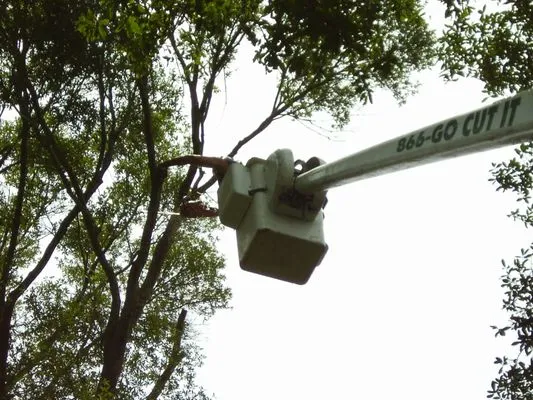
Totally Trees is a trusted tree service company serving Ludington, MI, and surrounding areas since 2003. Founded by friends Wayne and Mike after providing hurricane relief, they bring over two decades...
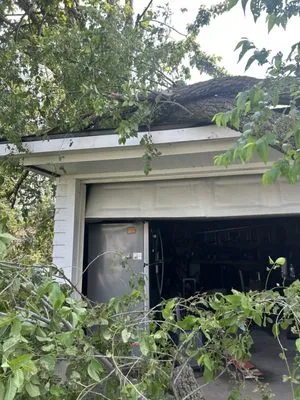
Helping Hibberts is a family-run business in Fountain, MI, dedicated to taking on the odd jobs and cleanup tasks that local homeowners need. We specialize in junk removal, hauling away unwanted items ...
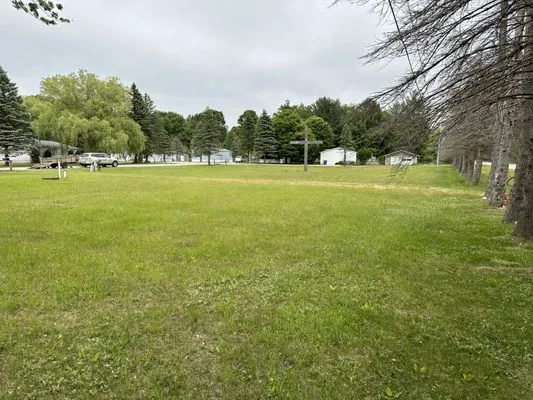
JLH Lawn Care & Snow Removal is a trusted, locally-owned business serving Manistee, MI, with comprehensive lawn care and snow removal services. We understand the unique challenges homeowners face in o...
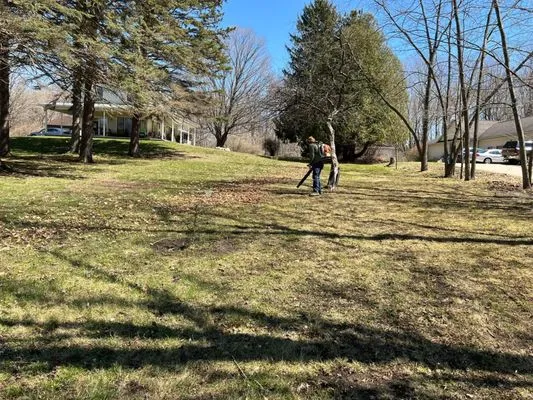
Tom's Lawn Care and Snow Removal is a trusted local provider in Brethren, MI, specializing in comprehensive lawn care and reliable snow removal services. Many homes in our community face common landsc...
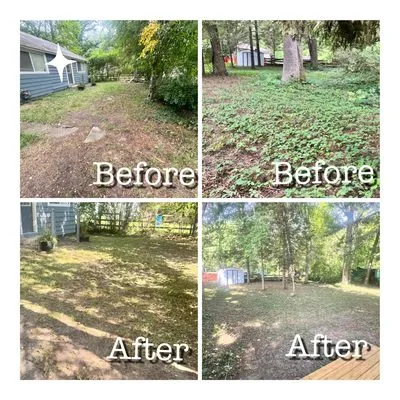
Edens Edge Lawn Care Services is a trusted, locally-owned lawn care provider serving the Idlewild, MI community. We specialize in creating and maintaining healthy, vibrant lawns that can withstand the...
Estimated Landscaping Service Costs in Elk Township, MI
Questions and Answers
We need emergency storm debris cleanup to meet HOA compliance deadlines. What's your response protocol?
Emergency crews dispatch from Elk Township Hall via US-31 with 45-60 minute peak arrival times. We prioritize routes through Elk Lake Residential to clear fallen limbs and restore safe access within 24 hours. Equipment includes electric chippers that operate within 9:00 PM to 7:00 AM noise restrictions. Documentation for HOA compliance includes before/after photos and debris volume reports.
Our Elk Lake Residential yard seems compacted and drains poorly. What's the soil history here?
Elk Township lots built around 1983 have 43-year-old soil profiles. Sandy loam in this neighborhood tends to compact over decades, reducing permeability to 0.5-1.5 inches per hour. Core aeration every 2-3 years with compost amendments addresses this by increasing organic matter above 3% and improving water infiltration. Soil testing confirms pH 6.2-6.8 remains optimal for most turf and native species.
Should we use crushed limestone or wood for new patio construction?
Crushed limestone offers superior longevity with 25+ year service life versus wood's 10-15 year span. This material maintains permeability rates above 2 inches per hour, reducing runoff. For Moderate Fire Wise rated areas, stone hardscapes create defensible space by eliminating combustible materials within 30 feet of structures. Natural fieldstone edges prevent soil erosion while complementing Elk Township's native geology.
How do we maintain Kentucky Bluegrass/Fine Fescue turf during Stage 0 water restrictions?
Smart Wi-Fi soil moisture sensors optimize irrigation by tracking evapotranspiration rates and soil tension. These controllers apply 0.75-1.0 inches weekly during peak demand, staying within voluntary conservation limits. Deep, infrequent watering encourages root growth to 6-8 inches depth. System audits ensure 80% distribution uniformity while preventing runoff into the seasonal high water table.
Can we reduce mowing and gas equipment use while improving ecological value?
Replacing 30-50% of turf with native plantings like Common Milkweed, Wild Bergamot, and Little Bluestem cuts maintenance by 60%. These species require no irrigation once established and support 2026 biodiversity targets. Electric maintenance fleets operate quietly within noise ordinance hours. Serviceberry and Black-eyed Susan provide seasonal interest while creating pollinator corridors through Elk Lake Residential.
We're seeing invasive garlic mustard and Japanese knotweed. How do we treat them safely?
Manual removal before seed set in early spring prevents spread without chemical intervention. For established infestations, targeted glyphosate applications follow Michigan's Phosphorus limits under the Natural Resources and Environmental Protection Act. Treatment windows avoid blackout dates during peak growing seasons. Restoration with native competitors like Little Bluestem creates resilient groundcover that resists reinvasion.
What permits and licenses are needed for regrading our 0.55-acre property?
Antrim County Building Department requires erosion control permits for any grading disturbing over 5,000 square feet. Michigan LARA licensing mandates certified professionals for drainage work affecting watershed boundaries. On 0.55-acre lots, engineered plans must demonstrate compliance with county slope stability standards. Contractors must carry landscape architect registration for designs altering natural drainage patterns by more than 6 inches.
Our yard has standing water after heavy rains. What drainage solutions work with sandy loam soil?
Moderate seasonal high water tables in sandy loam require French drains with clean stone aggregate and permeable geotextile fabric. Crushed limestone hardscapes increase infiltration rates to 2-3 inches per hour, meeting Antrim County runoff standards. Grading slopes at 2% minimum directs water away from foundations. Dry wells installed 10 feet from structures handle overflow during peak precipitation events.
