Top Landscaping Services in Eagle Township, MI, 48822 | Compare & Call
There are 189 landscaping companies server in Eagle Township MI
Puregreen Lawn is a trusted local landscaping company serving the Lansing, MI community. We specialize in addressing the specific challenges Lansing homeowners face, such as shifting rock gardens and ...
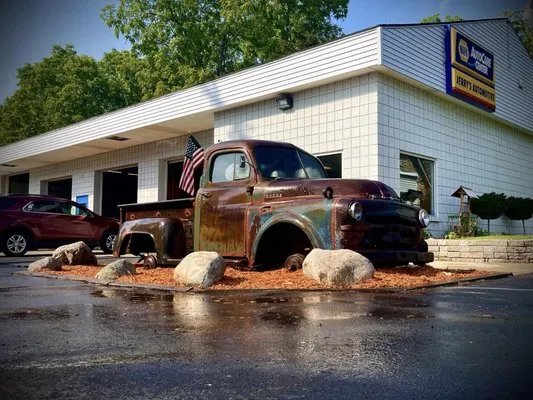
Keast Lawn & Snow is a locally-owned and operated outdoor service company based right here in Potterville. Founded in 2017, we've grown from a one-person operation into a dedicated team serving reside...
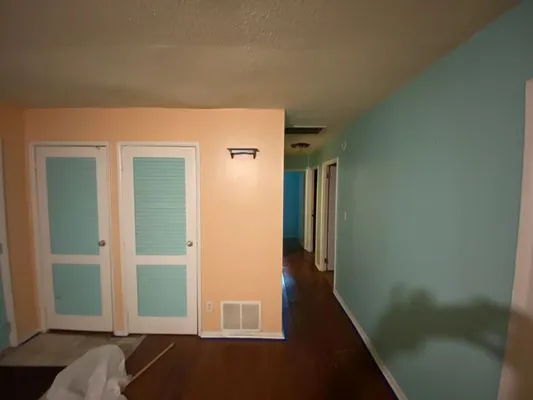
Abram United Enterprises has been a trusted home service provider in the Lansing community for over 15 years. We specialize in lawn care, painting, and home cleaning services, offering reliable and af...
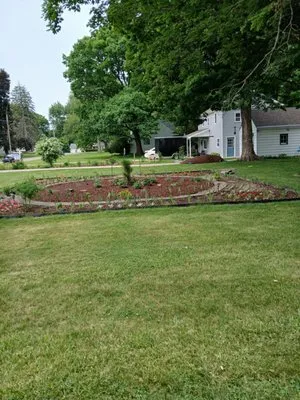
Lumbert's Lawn and Snow is your trusted, year-round outdoor service provider in Lansing, MI. We specialize in reliable snow removal to keep your property safe and accessible during Michigan winters. B...

Ghost Landscaping is a trusted Lansing, MI-based landscaping company dedicated to transforming local outdoor spaces. We specialize in addressing common Lansing-area issues like bare lawn patches and s...
Spruce Design & Landscape is a trusted landscaping company serving Grand Ledge, MI, and surrounding areas. We specialize in addressing common local landscaping challenges like weed infestation and soi...
Universal Designs is a dedicated landscaping and irrigation company serving Grand Ledge, MI, with over 20 years of local experience. We specialize in creating and maintaining beautiful, functional out...

JNH Land Services is a trusted, full-service landscaping and snow removal company serving Eaton Rapids, MI. We specialize in comprehensive property care, from routine lawn maintenance and shrub manage...
Fred's Lawn Care and Handyman, based right here in Holt, has been a trusted local service since 2010. Fred started his business out of a genuine love for the work—the exercise of being outdoors, the s...

At Old Soul Arbor Care in Bancroft, our ISA-certified arborists bring over a decade of experience to every project. We know that proper tree and shrub care is more than just a service—it’s about prese...
Estimated Landscaping Service Costs in Eagle Township, MI
Common Questions
Our lawn in Eagle Village Center looks thin and struggles. Is it just the age of the houses?
The age of the property is a primary factor. Lots developed around 1988 have 38-year-old soils that are often highly compacted from construction and routine maintenance. In Eagle Township's loam and sandy loam, this compaction severely limits root depth and water infiltration. A core aeration program combined with top-dressing compost is essential to rebuild soil structure and organic matter, addressing the legacy of compaction common in neighborhoods of this era.
A storm knocked down a large limb. How quickly can a crew arrive for an emergency cleanup?
For an emergency response, our dispatch from the Eagle Township Hall area allows for a peak travel time of 45-60 minutes. The standard route utilizes I-96 for the fastest regional access. Crews operate within the township's noise ordinance hours (7:00 AM - 9:00 PM), ensuring immediate, compliant service for safety hazards or urgent HOA compliance issues requiring rapid debris removal.
We have a soggy area that never dries. What's causing it and what's a permanent fix?
This is a classic symptom of the seasonal high water table and poor infiltration in clay pockets within our loam soils. Surface water cannot percolate downward. The permanent fix involves creating a subsurface drainage channel, like a French drain, to intercept and redirect groundwater. For new hardscapes, specifying permeable concrete pavers or open-graded crushed limestone can meet Clinton County runoff standards by allowing infiltration rather than contributing to the problem.
We want to regrade our yard. What permits and contractor checks are needed?
Regrading a 0.50-acre lot often requires a permit from Clinton County Community Development, especially if it alters water flow to adjacent properties. You must hire a contractor licensed by the Michigan Department of Licensing and Regulatory Affairs (LARA) for this work. This ensures they carry the required insurance and possess the expertise to execute the grading plan without causing drainage or erosion issues that could lead to liability.
How do we keep our Kentucky Bluegrass lawn healthy without wasting water or facing restrictions?
Wi-Fi ET-based weather-sensing irrigation is the solution. This technology automatically adjusts watering schedules based on real-time evapotranspiration data, applying water only when the turf needs it. This precision maintains the Fine Fescue blend's health while conserving significant water, keeping you well within municipal guidelines. Even under Stage 0, this proactive system ensures resilience and efficiency, preventing overwatering that exacerbates our local high water table issues.
We're adding a patio. Are concrete pavers a better choice than wood decking?
For longevity and minimal maintenance in our climate, concrete pavers are superior. They resist frost heave, do not rot or splinter, and have a lifespan decades longer than wood. While Eagle Township has a low Fire Wise rating, the non-combustible nature of pavers also contributes to defensible space. For pathways, crushed limestone offers excellent permeability, complementing the paver system and managing site water effectively.
We're tired of weekly mowing. Are there lower-maintenance, eco-friendly options?
Absolutely. Transitioning sections of high-input turf to a native plant community is the most effective long-term strategy. Species like Purple Coneflower, Little Bluestem, and Butterfly Milkweed are adapted to Zone 5b, require no fertilization, minimal watering once established, and provide critical habitat. This shift also aligns with evolving municipal codes, reducing reliance on gas-powered equipment ahead of potential tighter noise and emissions ordinances.
What invasive plants should I watch for, and how do I remove them correctly?
High-priority invasives in our area include Garlic Mustard, Japanese Knotweed, and Spotted Knapweed. Manual removal for seedlings and careful, targeted herbicide application for established patches are necessary. All treatments must respect Michigan's statewide Phosphorus Limit; a soil test is required before any fertilizer application to prevent nutrient runoff. Timing removal before seed set is critical to prevent further spread.
