Top Landscaping Services in Dryden Township, MI, 48428 | Compare & Call
There are 179 landscaping companies server in Dryden Township MI
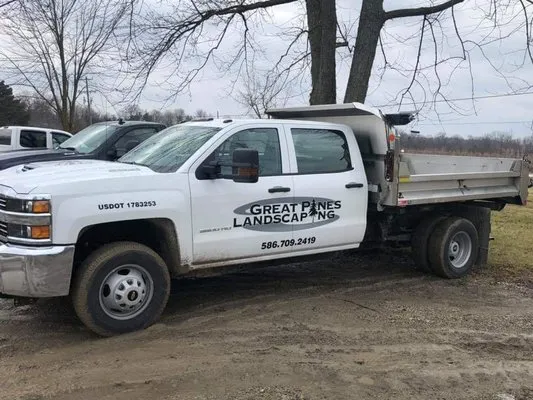
Great Pines Landscaping is your full-service, year-round partner for enhancing and maintaining your Lenox, MI property. We specialize in comprehensive solutions, from landscape design and construction...
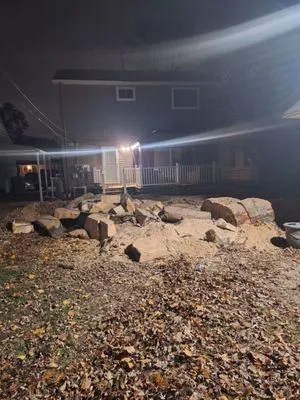
Chapines Tree Service Landscaping is a trusted local provider in Waterford Township, MI, specializing in comprehensive landscaping and tree care solutions. We help homeowners maintain healthy, beautif...

Redigan Outdoor Services is a locally owned and operated landscaping and lawn maintenance company serving Waterford, Michigan, and surrounding communities. With over 13 years of experience, we provide...
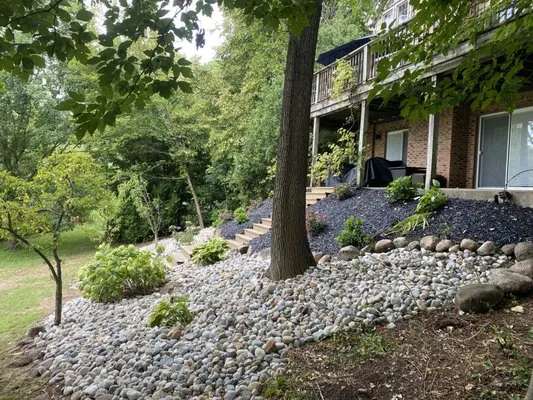
Based in Waterford, MI, Boss Construction & Landscape Services is your local expert for comprehensive outdoor solutions. We specialize in tackling common local challenges like persistent mulch bed wee...
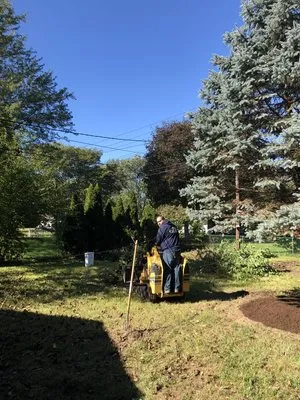
Case Landscaping is a full-service landscaping company serving Waterford Township, MI, specializing in both design and construction. We help homeowners transform their outdoor spaces with services ran...
Sherwood Forest Garden Center
Since 1973, Sherwood Forest Garden Center has been a family-owned Rochester institution, now in its third generation. We specialize in bringing Michigan's natural beauty to your doorstep with a vast s...

US Lawn & Snow is your dedicated local partner for year-round property maintenance in Lake Orion, MI. We understand the unique seasonal challenges of our community, from ensuring lush, healthy lawns i...

Lowrie's Landscape
Since 1979, Lowrie's Landscape has been a trusted, family-owned fixture in the Village of Clarkston, MI, growing from a lawn maintenance service into an award-winning landscape design and build firm. ...
Deluxe Landscaping is a trusted local lawn care provider serving Bloomfield Hills, MI. We specialize in comprehensive lawn maintenance designed to tackle the area's common challenges, including persis...

Kajawa Landscaping is your dedicated lawn care expert in Leonard, Michigan, helping homeowners achieve a healthy, vibrant yard. We understand the common local challenges, like uneven sprinkler coverag...
Estimated Landscaping Service Costs in Dryden Township, MI
Questions and Answers
Our lawn seems thin and compacted. Is this typical for our area?
Yes, this is a common legacy condition. Most Dryden Township homes were constructed in the 1980s on glacial till subsoil. Over 40+ years, foot traffic and standard maintenance have degraded topsoil structure, leading to compaction and poor percolation in the loamy layer. Core aeration every 2-3 years and top-dressing with compost are critical to rebuild organic matter and mitigate the dense, clay-rich pockets that inhibit root growth.
How can we keep our lawn green without wasting water?
Proper irrigation hinges on matching output to actual plant need. Wi-Fi ET-based controllers use local weather data to calculate evapotranspiration, automatically adjusting schedules to apply only the necessary water volume. For your Kentucky Bluegrass blend, this typically means fewer, deeper watering cycles that promote drought-tolerant roots. This system optimizes turf health while adhering to voluntary conservation measures, keeping you well within municipal guidelines.
We have a downed tree after a storm. What's your emergency response time?
For emergency cleanup in Dryden Village Center, our target arrival is 45-60 minutes during peak conditions. Our dispatch routes crews from our central staging area near General Squier Memorial Park, traveling north on M-24. This timeframe accounts for post-storm traffic and allows for safe navigation with specialized equipment to clear hazards and secure the property promptly.
Do we need a permit to regrade part of our yard for better drainage?
Yes, significant regrading on a 1.5-acre lot often requires a permit from the Dryden Township Building Department to ensure compliance with erosion control and drainage ordinances. Furthermore, this work must be performed by a licensed professional. In Michigan, landscape architects and certain contractors must hold specific credentials from the Department of Licensing and Regulatory Affairs (LARA) to legally undertake such earth-moving and engineering-related tasks.
We have a soggy area that never dries. What's the solution?
This indicates a localized high water table or clay lens within the glacial till. Corrective action involves subsurface drainage, such as installing a French drain to intercept and redirect water. For any new patios or walkways, specify permeable crushed limestone or jointed concrete pavers. These materials increase infiltration, reduce runoff, and typically meet Dryden Township Building Department requirements for managing stormwater on-site.
We see an unfamiliar vine taking over a garden bed. How should we handle it?
First, identify the plant; common invasive threats here include Oriental Bittersweet or Creeping Charlie. Manual removal is safest for the ecosystem. If chemical control is necessary for persistent perennials, select a phosphorus-free herbicide and apply it precisely to the foliage, strictly following label instructions. Always avoid applications near waterways and adhere to any seasonal blackout dates to comply with local fertilizer and pesticide ordinances.
Is crushed limestone a good choice for a new patio compared to wood?
Crushed limestone is a superior, durable choice for our climate. It provides a stable, permeable surface that resists frost heave and requires minimal upkeep, unlike wood which decays and needs regular sealing. For properties in the Rural-Urban Interface with a Moderate Fire Wise rating, inorganic materials like limestone also contribute to defensible space by creating a non-combustible zone around structures, a key safety consideration.
We want to reduce mowing and gas equipment noise. What are our options?
Transitioning turf areas to a native plant community is a strategic solution. Species like Butterfly Milkweed, Little Bluestem, and Purple Coneflower establish deep root systems, eliminate weekly mowing, and require no chemical inputs once established. This conversion not only cuts noise and maintenance but also builds pollinator habitat, aligning with evolving community standards that may further restrict gas-powered equipment hours.
