Top Landscaping Services in Dimondale, MI, 48821 | Compare & Call

There are 105 landscaping companies server in Dimondale MI
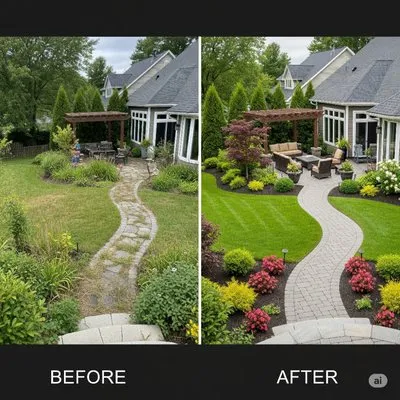
Tranquil Terrain is a dedicated landscape design and tree care firm serving the Ada, MI community. We believe that every outdoor space, regardless of size, is an opportunity to create beauty and funct...
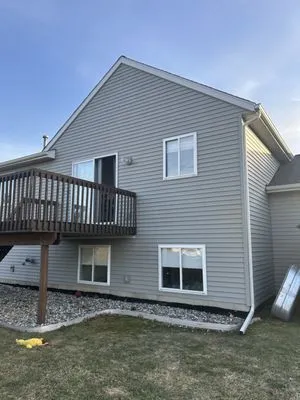
JRB Landscaping has been a trusted partner for homeowners in Hastings, MI, for years, providing reliable and professional exterior care. Our team, led by local experts, focuses on understanding the sp...
B&H Property Care is a trusted lawn service provider in Grand Rapids, MI, specializing in comprehensive lawn care solutions. Many homes in the area face common landscaping challenges like overgrown sh...
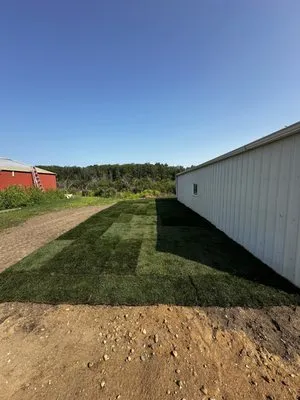
Rooted Sod is a trusted, family-founded landscaping company serving Battle Creek, MI, with over a decade of experience. We specialize in transforming lawns with quality sod installation and providing ...
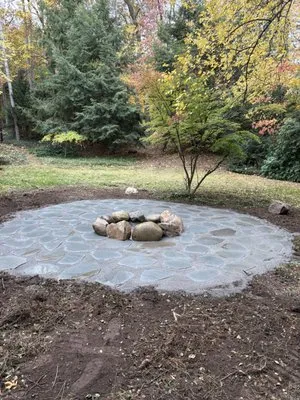
Premier Dirtworks & Outdoor solutions
Premier Dirtworks & Outdoor Solutions is a locally owned and operated company in Zeeland, MI, founded in 2025 by Ashton. We provide dependable dirt work, landscaping, and property improvement services...

Great Lakes Property Improvement
Great Lakes Property Improvement is a Lyons, MI-based husband and wife team specializing in landscaping, excavation, and demolition. With extensive backgrounds in environmental and field work, they ta...
Mountain Side is a Grand Rapids-based general contractor specializing in landscaping, fencing, and outdoor construction. Serving the West Michigan community, we help homeowners tackle common local iss...

HydraScapes Irrigation is a family-owned and operated business founded in Hastings in 2022 by Zach Winchel. With over two decades of dedicated experience in the irrigation industry, Zach brings a deep...
D&A is a locally owned and operated home services company in Napoleon, MI, built on family values and a commitment to the community. Founded by owners who left corporate life to build a legacy for the...
Kirkpatrick's is a Mason, MI-based contractor specializing in a comprehensive range of masonry, excavation, and landscaping services. For local homeowners facing common issues like storm debris cleanu...
Estimated Landscaping Service Costs in Dimondale, MI
Question Answers
What permits and licenses are required for regrading my backyard?
Regrading a 0.25-acre lot often requires a permit from the Village of Dimondale Zoning and Planning Department to ensure compliance with drainage and setback ordinances. The contractor must hold appropriate licensing through the Michigan Department of Licensing and Regulatory Affairs (LARA). This is crucial for work affecting soil erosion, water runoff, or property lines, as improper grading can lead to significant liability and neighbor disputes.
Are concrete pavers a better long-term choice than wood for my patio?
Concrete pavers offer superior longevity and permeability compared to wood, which decays and requires chemical treatment. In Dimondale's low Firewise rating zone, pavers and crushed limestone also provide non-combustible, defensible space without sacrificing aesthetics. Their modular design allows for better drainage and easier repair than poured concrete, making them a durable, low-maintenance investment.
How do I keep my lawn green without wasting water?
Smart Wi-Fi controllers with soil moisture sensors are essential for managing Kentucky Bluegrass and Fine Fescue blends in our zone 5b climate. These systems use local evapotranspiration (ET) data to apply water only when needed, preventing over-irrigation despite the absence of mandatory restrictions. This technology can reduce potable water use by 20-30% while maintaining turf health, aligning with voluntary conservation goals.
Why does my soil seem so compacted and lifeless?
Homes in Downtown Dimondale, typically built around 1970, have soils over 50 years old. Construction practices and decades of standard lawn care have degraded the native sandy loam, depleting organic matter and creating a dense, hydrophobic layer that restricts root growth and water percolation. The slightly acidic pH is manageable, but the primary need is core aeration and top-dressing with compost to rebuild soil structure and microbial activity for long-term health.
I need an emergency cleanup for HOA compliance; how fast can you arrive?
For urgent HOA compliance or storm damage cleanup, our dispatch from Dimondale Riverside Park via I-96 ensures a 20-30 minute arrival to most Downtown Dimondale properties during peak hours. We prioritize these calls with dedicated crews and equipment, allowing for immediate debris removal, branch clearing, and turf restoration to meet neighborhood standards efficiently.
What invasive species should I watch for, and how are they treated?
Common invasive alerts in this area include Garlic Mustard, Japanese Knotweed, and Spotted Knapweed. Manual removal before seed set is most effective. For chemical control, licensed applicators must follow the Michigan Fertilizer Act (Part 85), which prohibits phosphorus fertilizer and restricts certain herbicide applications to specific dates to protect water quality. Always verify blackout periods with your professional.
My yard has standing water every spring; what's the solution?
Seasonal high water tables and isolated clay pockets in Dimondale's sandy loam cause poor infiltration. Solutions include installing French drains or dry creek beds to channel water away from foundations. Using permeable materials like crushed limestone for paths instead of solid concrete can also increase ground absorption, helping meet Village of Dimondale stormwater runoff standards for residential properties.
Is there a lower-maintenance, eco-friendly alternative to my traditional lawn?
Transitioning turf areas to a native plant community using species like Purple Coneflower, Butterfly Milkweed, and Little Bluestem significantly reduces water, fertilizer, and mowing demands. This xeriscaping approach builds biodiversity and resilience ahead of potential gas-powered equipment restrictions. Native root systems also improve soil permeability and provide critical habitat, aligning with 2026 ecological landscaping standards.
