Top Landscaping Services in Detroit, MI, 48201 | Compare & Call

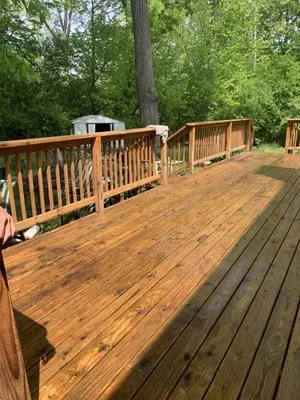
AC Landscaping is a trusted Detroit-based company specializing in comprehensive landscaping and snow removal services for local homeowners. We address common local challenges like landscape edging dam...
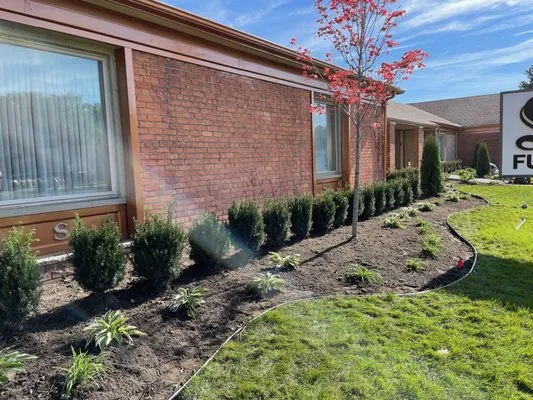
Hernandez Services has been a trusted part of the Detroit community since 2008, providing reliable landscaping and snow removal for both homes and businesses. We understand the specific challenges of ...
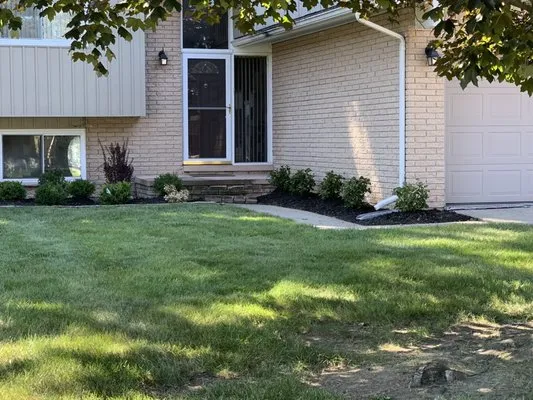
Graham's Landscaping is a trusted Detroit-based company specializing in comprehensive gardening, lawn care, and tree services. We help homeowners and businesses across the city maintain beautiful, hea...
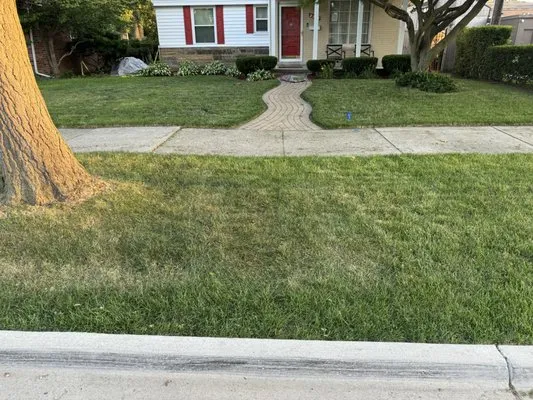
Ussery Landscaping is a growing Detroit-based business dedicated to transforming outdoor spaces with care and expertise. We invest in quality equipment and continuous training to meet your landscaping...

Cerralvo Service is a Detroit-based landscaping, masonry, and pressure washing company dedicated to transforming outdoor spaces across the city. We specialize in comprehensive solutions including eart...

Wilson's Extra Landscaping is a licensed, Detroit-based company dedicated to maintaining and enhancing outdoor spaces year-round. We provide reliable landscaping, snow removal, and pressure washing se...
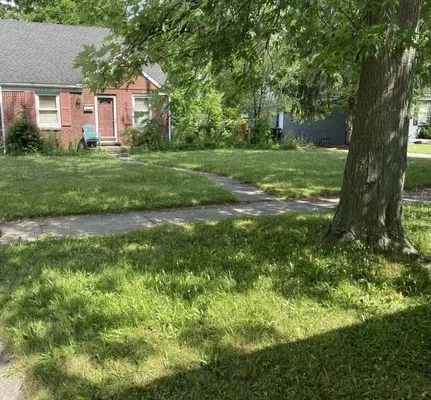
Jungle Kutz is a trusted Detroit landscaping company with over seven years of experience serving residential and commercial properties. We specialize in comprehensive lawn and landscape care, from ini...
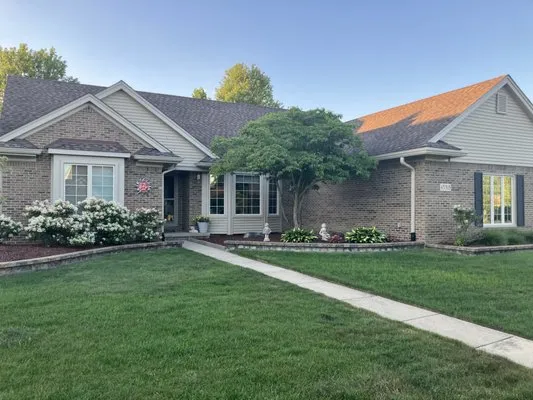
Forward Action Solutions is a Detroit-based, locally owned landscaping and snow removal company dedicated to reliable year-round property maintenance. Founded by owner Octavio Saucedo, we focus on pra...
Shawn's Botany and Landscaping is a Detroit-based, full-service provider dedicated to enhancing both the beauty and functionality of your home. We offer a unique combination of expert landscaping, har...

Salcido & Sons is a trusted, family-owned lawn care provider serving Detroit, MI, with decades of experience addressing the unique landscaping challenges of local homes. We specialize in comprehensive...
Q&A
How quickly can you respond to an emergency storm cleanup to meet HOA compliance deadlines?
Our electric maintenance fleet operates within Detroit's noise ordinance restrictions (no equipment before 7:00 AM or after 9:00 PM) while enabling rapid response. From our Wayne State University dispatch point, we access Woodbridge via I-94 with a 20-30 minute peak storm response time. This routing avoids typical congestion zones while ensuring debris removal and safety restoration within regulatory windows. Our battery-powered equipment maintains compliance while executing efficient cleanup operations.
What solutions address the persistent standing water and runoff issues in my compacted clay loam yard?
Urban compaction in Detroit's clay loam soil creates high runoff hazards that overwhelm traditional drainage systems. Permeable clay pavers installed with proper sub-base engineering allow 80-90% of stormwater to infiltrate directly into the soil matrix. This meets Detroit Buildings, Safety Engineering & Environmental Department runoff standards by reducing peak flow rates. Combined with French drains and rain gardens, this approach transforms problematic areas into functional water management assets.
What alternatives exist for reducing weekly mowing and gas-powered maintenance in my yard?
Transitioning from high-maintenance turf to native plantings like Common Milkweed, Wild Bergamot, Little Bluestem, and Purple Coneflower creates resilient, low-input landscapes. These species thrive in Detroit's USDA Zone 6b conditions with minimal irrigation once established. This approach anticipates tightening noise ordinances on gas-powered equipment while supporting 2026 biodiversity standards. Native plant communities require only seasonal maintenance, eliminating weekly mowing cycles and reducing carbon emissions from maintenance fleets.
How can I maintain healthy Kentucky Bluegrass and Tall Fescue turf while conserving water in Detroit?
Wi-Fi ET-based weather sensing irrigation systems optimize water application by calculating evapotranspiration rates specific to Detroit's climate. These systems adjust schedules based on real-time weather data, preventing overwatering while preserving turf health. Despite no formal water restrictions, this technology reduces municipal water consumption by 30-40% compared to traditional timers. The system maintains soil moisture at optimal levels for clay loam conditions, preventing both drought stress and runoff waste.
Why does my Woodbridge yard have such dense, compacted soil that resists water absorption?
Detroit's Woodbridge neighborhood features homes averaging 77 years old (built around 1949), with soil that has matured through decades of urban compaction. The prevalent clay loam soil (pH 7.0-7.5) naturally becomes dense over time, reducing permeability and creating high runoff conditions. Core aeration with organic amendments like composted leaf mold is essential to improve soil structure and water infiltration. This addresses the historical layering of construction debris and limited organic matter typical in older urban lots.
What licensing and permits are required for regrading and drainage work on my 0.12-acre Woodbridge property?
Grading alterations on Detroit's 0.12-acre standard lots require permits from the Detroit Buildings, Safety Engineering & Environmental Department, with engineered plans for drainage modifications. Contractors must hold appropriate licensing through Michigan's Department of Licensing and Regulatory Affairs (LARA), including landscape architect registration for design elements. Specific certifications for erosion control and stormwater management are mandatory when disturbing more than 100 square feet of soil. These requirements ensure compliance with municipal runoff standards and protect against liability issues.
How should I manage invasive species like garlic mustard or Japanese knotweed without violating fertilizer regulations?
Invasive species management requires targeted approaches that avoid phosphorus-containing fertilizers, as mandated by Michigan's NREPA Part 85. Mechanical removal during specific growth phases combined with organic pre-emergent treatments proves most effective. Timing applications outside of blackout dates prevents regulatory violations while ensuring treatment efficacy. For persistent invasives in clay loam soils, solarization techniques during peak summer months disrupt root systems without chemical dependency.
Are permeable clay pavers a better long-term investment than traditional wood decking for my outdoor space?
Permeable clay pavers offer superior longevity with 50+ year lifespans compared to wood's 15-20 year maximum in Detroit's freeze-thaw cycles. Their thermal mass moderates surface temperatures, reducing urban heat island effects while maintaining structural integrity. For Detroit's low Fire Wise rating urban/suburban areas, non-combustible pavers create defensible space without fuel continuity concerns. The permeability addresses runoff issues while providing stable, low-maintenance surfaces resistant to frost heave.
