Top Landscaping Services in Dearborn, MI, 48101 | Compare & Call
There are 186 landscaping companies server in Dearborn MI
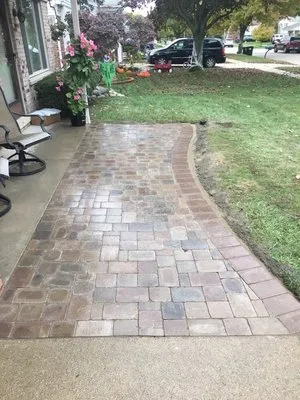
JQLS Lawn & Landscape is a locally owned and operated business with deep roots in Allen Park. Founded in 1992 as John's Quality Lawn Service, the company has grown from a neighborhood lawn care operat...
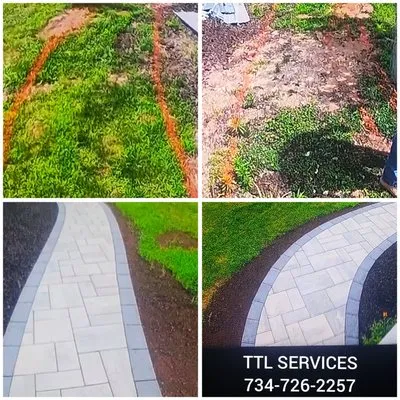
Based in Garden City, TTL Services is a trusted local expert for lawn care, tree health, and artificial turf solutions. Many homes in our community face common landscaping challenges like dying shrubs...

Massab Acres Greenhouse & Nursery is a family-owned destination in Taylor, MI, offering acres of plants, expert guidance, and full-service landscaping. More than just a source for annuals, perennials,...
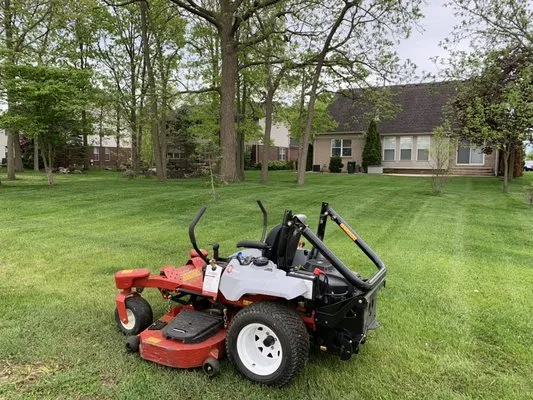
EZ Landscaping & Paving
At EZ Landscaping & Paving, we believe your outdoor space should be both beautiful and functional. Our team combines a deep understanding of botany and soil science with a genuine passion for design, ...
Bivins and Sons Landscaping is a Detroit-based family business providing comprehensive outdoor solutions for local homeowners. We specialize in landscape design, construction, and maintenance, includi...
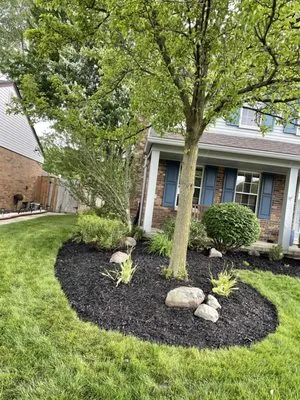
Enhanced Landscaping
Enhanced Landscaping is your dedicated Sterling Heights partner for comprehensive outdoor transformation. We specialize in designing and building beautiful, functional landscapes that enhance your hom...
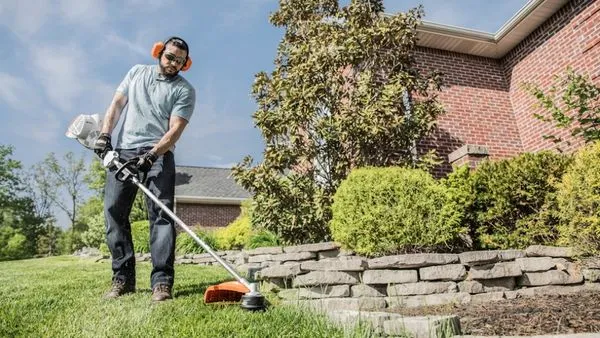
Next Level Lawn Care is your Detroit-based partner for a cleaner, healthier property. We understand the unique challenges faced by local homeowners, from lawn fungus outbreaks to malfunctioning irriga...
Greg Davis Landscape Service is a family-owned Livonia landscaping company with over 30 years of experience transforming local outdoor spaces. Founded by Greg Davis in 1993, the business blends his ba...
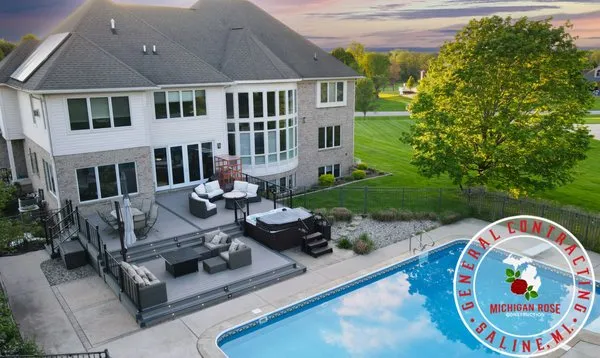
Michigan Rose Construction is a family-owned and operated general contracting business serving Ann Arbor, MI, with a focus on quality craftsmanship and clear communication. Founded by Sean Kurtz, a fo...
Kyle O’Bryant, the owner of K.Y.L.E Landscaping, brings a lifetime of experience to Detroit's yards and properties. He started helping with landscaping at just nine years old and formally launched his...
Estimated Landscaping Service Costs in Dearborn, MI
Common Questions
Are concrete pavers or clay brick better than wood for a new patio?
For longevity and low maintenance in Michigan's climate, concrete pavers and clay brick are superior to wood. They are impervious to rot, insect damage, and freeze-thaw cycles when installed correctly on a proper base. In an urban setting with a low Fire Wise rating, these non-combustible materials also contribute to defensible space, unlike wooden decks which pose a higher fire risk.
I want to reduce mowing and gas equipment noise. What should I plant?
Transitioning turf areas to a native plant palette is the definitive solution. Species like Purple Coneflower, Butterfly Milkweed, Wild Bergamot, and Little Bluestem are adapted to Zone 6b and our alkaline soils. Once established, these deep-rooted perennials require no irrigation, no mowing, and minimal maintenance. This creates a resilient, biodiverse landscape that aligns with evolving noise ordinances restricting gas-powered equipment.
Do I need a permit to regrade my yard or install a drainage system?
Yes. Significant grading or drainage work that alters water flow or involves structural elements typically requires a permit from the Dearborn Department of Building and Safety. For a standard 0.19-acre lot, this work must be performed by a contractor licensed by the Michigan Department of Licensing and Regulatory Affairs (LARA). This ensures compliance with city codes, protects your property value, and safeguards against downstream erosion or flooding issues.
Why does my soil in Ford Woods seem so dense and compacted?
Your property’s soil profile is a product of its age. With an average home built in 1952, the slightly alkaline clay loam has had over 70 years to settle and compact under decades of standard maintenance. This maturity, combined with the inherent density of clay, severely reduces soil percolation and root penetration. Core aeration and the addition of composted organic matter are critical annual practices to rebuild soil structure and microbial activity in this neighborhood.
What invasive species should I watch for, and how do I treat them?
Common invasive alerts in this area include Garlic Mustard, Japanese Knotweed, and Creeping Charlie. Manual removal is effective for small infestations. For chemical control, use a selective, phosphorus-free herbicide applied during the plant's active growth phase, strictly following label instructions. Always adhere to Dearborn’s phosphorus-free ordinance for lawn applications to protect local watersheds.
Is a smart irrigation system worth it if there are no water restrictions?
Absolutely. While Dearborn is at Stage 0, our clay loam soils and high runoff hazard make water efficiency paramount. A Wi-Fi ET-based system uses local weather data to apply precise amounts of water, matching the evapotranspiration rate of your Kentucky Bluegrass blend. This prevents overwatering that saturates clay, promotes deeper root growth, and proactively conserves water, keeping you ahead of potential future municipal limits.
How quickly can you respond for an emergency HOA compliance cleanup?
Our dispatch for Ford Woods is optimized from The Henry Ford Museum, using I-94 for primary access. During peak hours, our estimated storm or emergency response window is 25-35 minutes. We maintain electric maintenance fleets to comply with local noise ordinances, allowing for immediate deployment without operational hour restrictions, ensuring rapid resolution for compliance issues.
My yard floods after heavy rain. What's the best long-term solution?
Saturated clay soils in Dearborn are a common drainage hazard. The solution integrates grading and permeable hardscapes. Installing a dry creek bed or a French drain system can redirect surface water. For patios or walkways, using permeable concrete pavers or clay bricks with an open-graded base allows water to infiltrate, reducing runoff and often meeting City of Dearborn stormwater management standards for new installations.
