Top Landscaping Services in Dayton, MI, 49412 | Compare & Call
There are 76 landscaping companies server in Dayton MI

Power Trip Lawn & Tree Care is a dedicated, locally-owned team serving Clio and the surrounding communities. We understand that your yard is a source of pride and a place for your family to enjoy. Tha...
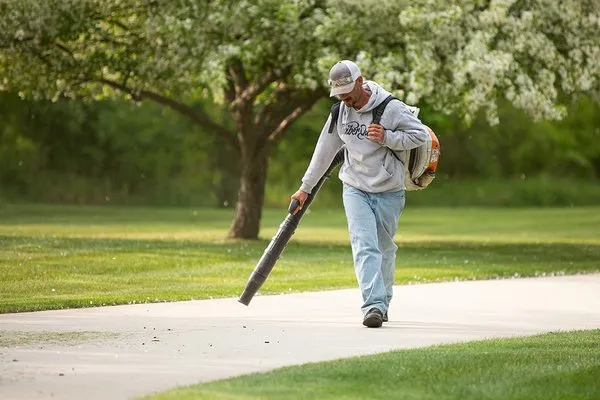
Timber Oaks is a trusted landscaping and lawn maintenance provider serving Vassar, MI, and surrounding areas since 2007. We specialize in comprehensive outdoor solutions for both residential and comme...
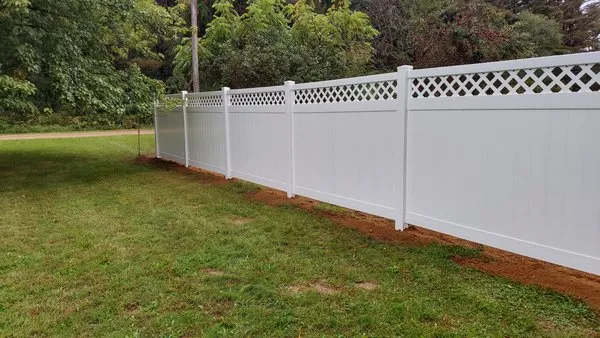
Holley's Lawn & Snow is your trusted, year-round outdoor service provider in Vassar, MI. We help homeowners maintain healthy, beautiful lawns and clear, safe driveways through every season. A common l...
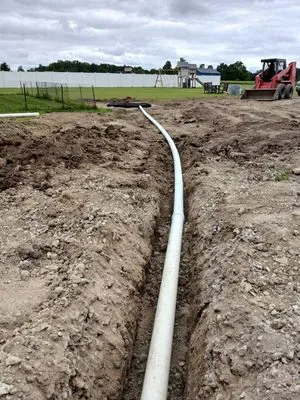
Green Oasis Landscaping is a locally owned and operated business in Columbiaville, MI, founded by a young entrepreneur who chose to build a reputation through hands-on work rather than corporate paths...

First Choice Lawn & Landscape LLC is a locally owned and operated business serving Sandusky, MI, and the greater Sanilac County area. Founded in 2012, we have grown steadily by focusing on reliability...
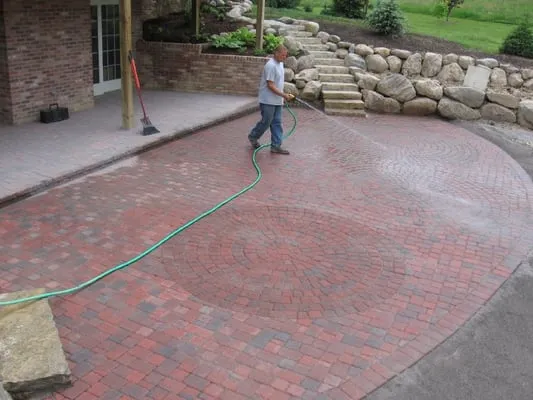
B&B Lawn & Landscape is a trusted, locally-owned landscaping and snow removal company serving North Branch, MI, and surrounding areas since 2002. Founded on a commitment to quality and reliability, we...
Fisher Nursery & Landscaping is Caro's trusted partner for creating and maintaining beautiful, functional outdoor spaces. We specialize in helping local homeowners tackle common regional challenges li...
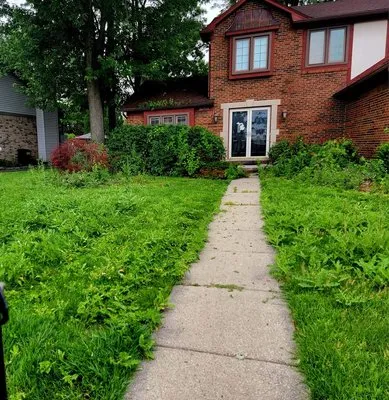
Rapid Lawn Maintenance is a family-owned lawn care and snow removal business serving Brown City, MI, and surrounding areas. We specialize in maintaining large properties, treating each client's yard w...
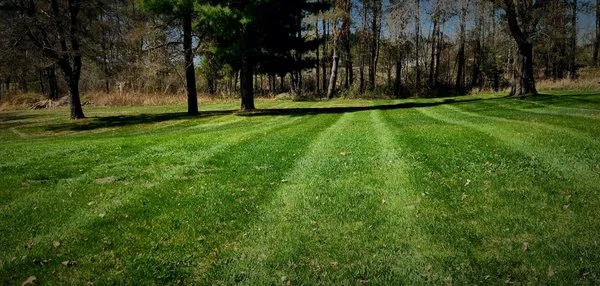
JB lawn Care Services
JB Lawn Care Services is a family-owned, local business serving Cass City, Mayville, and surrounding areas since April 2025. We provide reliable, year-round property care with a focus on consistency a...

Nicholas Rard, the owner of Daddy Do in Cass City, brings over a decade of diverse professional experience to his community-focused business. With a background in customer service, business management...
Estimated Landscaping Service Costs in Dayton, MI
Question Answers
I'm tired of weekly mowing and gas-powered maintenance. What is a more ecological alternative for my yard?
Transitioning to a Michigan-native plant community is the definitive solution. Species like Purple Coneflower, Butterfly Milkweed, Little Bluestem, and Wild Bergamot are adapted to Zone 6a conditions, requiring no irrigation once established and only annual cutting back. This landscape eliminates weekly mowing, fueling, and associated emissions. It proactively complies with pending commercial gas-blower limits and creates a higher-functioning habitat, aligning with 2026 biodiversity and carbon sequestration goals.
What invasive species should I be on the lookout for, and how do I remove them without using restricted fertilizers?
In Oakwood, aggressive perennials like Garlic Mustard and Japanese Knotweed are primary concerns. Manual removal, including digging out the entire root system, is most effective for new infestations. For persistent issues, a targeted, systemic herbicide applied at the correct phenological stage is used, strictly following label instructions to protect non-target plants. All treatments adhere to the state's phosphorus-free fertilizer law (MCL 324.8512b), focusing on soil health and mechanical control as the first line of defense.
My yard has persistent puddling and moderate runoff after rain. What's the best long-term solution for my soil type?
Glacial till loam's low permeability makes surface ponding and erosion a common issue. The engineered solution integrates subsurface drainage, like French drains, with surface grading to direct water away from foundations. Replacing impervious surfaces with permeable concrete pavers for patios or walkways significantly increases infiltration. This combined approach often meets the Dayton Department of Planning & Community Development's stormwater management standards by mitigating runoff volume and velocity.
The soil in my Oakwood yard feels like concrete and nothing grows well. Is this common for a house built around 1981?
Yes, this is a direct result of glacial till loam compaction over time. Your property's soil is approximately 45 years mature, a period during which construction equipment and routine foot traffic have severely degraded its structure. This dense, clay-heavy layer restricts root growth and water percolation. Core aeration and incorporating 2-3 inches of composted organic matter are critical first steps to rebuild soil biology and improve the pH 6.8 profile for healthy plant establishment.
Are permeable pavers a better choice than a traditional wood deck for a new patio?
For longevity and hydrological performance, permeable concrete pavers are superior in our climate. They offer a 30+ year service life without the decay, splintering, or chemical treatments required for wood. The permeable joints manage site runoff directly, reducing load on municipal systems. While Dayton has a low Fire Wise rating, the non-combustible paver material also contributes to defensible space, an added resilience benefit not provided by wooden structures.
Why does my contractor need a special license just to regrade my 0.22-acre lot?
Significant grading alters the property's drainage patterns and can impact neighboring parcels and public infrastructure. In Michigan, the Department of Licensing and Regulatory Affairs (LARA) requires specific licensure for contractors performing excavation and earth changes to ensure competency in erosion control and soil mechanics. For a 0.22-acre lot in Dayton, the Department of Planning & Community Development may also require a permit to review the grading plan, ensuring it complies with local sedimentation and stormwater ordinances.
How can I keep my Kentucky Bluegrass lawn green during summer without breaking the city's water conservation rules?
Wi-Fi ET-based weather-sensing irrigation is the precise tool for Stage 1 voluntary conservation. This system automatically adjusts runtime by calculating daily evapotranspiration rates, applying water only when and where the turfgrass root zone requires it. For Tall Fescue and Bluegrass blends, deep, infrequent watering cycles that encourage drought-tolerant roots are programmed. This method typically reduces total potable water use by 20-30% while maintaining canopy health within municipal guidelines.
If a storm causes major tree damage, what is the fastest response time for an emergency cleanup in Dayton?
For a declared emergency, our primary dispatch from Dayton City Hall uses I-94 for access, targeting a 35-50 minute arrival during peak traffic for Oakwood and surrounding areas. This routing prioritizes major arterials to bypass localized flooding. The response protocol includes assessing overhead hazards and coordinating with DTE for downed lines before initiating safe, systematic debris removal to restore property access and safety.
