Top Landscaping Services in Curtis Township, MI, 48737 | Compare & Call

There are 58 landscaping companies server in Curtis Township MI
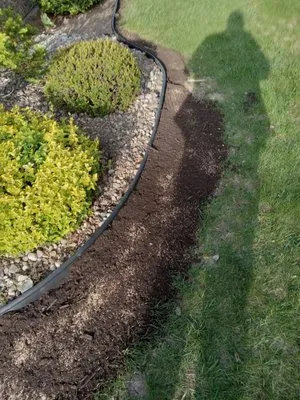
Mawby Scapes is a trusted, full-service landscaping company serving Saginaw, MI, and the surrounding areas. We provide comprehensive care for your property year-round, from lawn maintenance and snow r...

Irrigation Systems Garpiel Group
Founded in 1997 by Rob Garpiel, the Garpiel Group began as a family-run landscaping company born from a passion for improving outdoor spaces. From those early days of Rob working with his brothers, th...

Kapital Lawn Care & Services is a family-owned lawn care business serving Sterling, Michigan. Rooted in the community, we provide reliable and straightforward services like regular lawn mowing and mul...
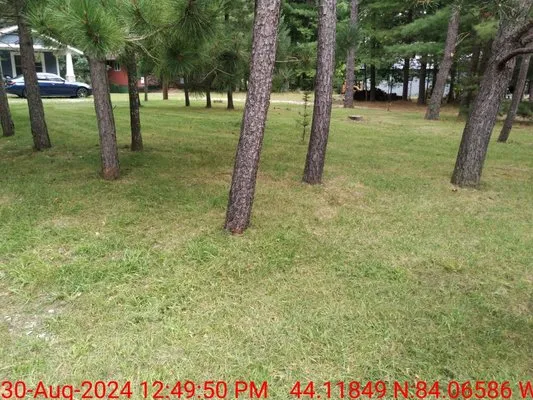
J&E Landscaping is a trusted, full-service landscaping company proudly serving Turner and the surrounding communities. We specialize in comprehensive landscape construction and installation, from dura...
Danek Lawn and Landscaping is a trusted local lawn service provider in Tawas City, MI, specializing in comprehensive lawn care solutions. We understand the unique challenges Tawas City residents face,...
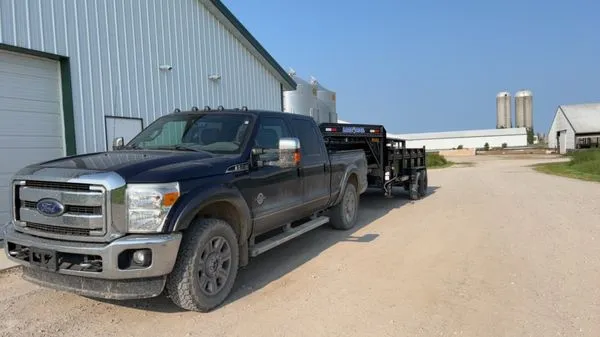
D&D Landscaping is your local Whittemore, MI partner for creating and maintaining beautiful, healthy outdoor spaces. We understand the common local challenges of weed infestation and overgrown shrubs,...
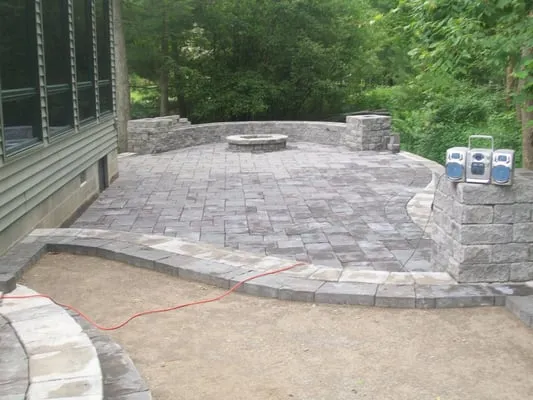
Bryan's Landscape & Brick Pavers is a trusted local landscaping company serving East Tawas, MI, and the surrounding areas. With years of experience in the region, we specialize in comprehensive landsc...
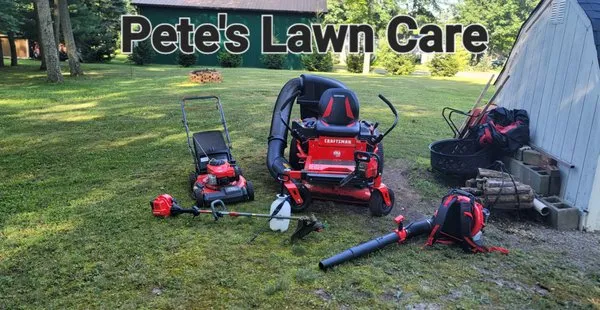
Pete's Lawn Care in Au Gres, MI, is built on a foundation of over 30 years of hands-on experience. Pete recently started his own business to bring his deep passion for lawn care directly to his commun...

Howes Lawn Service is a local, owner-operated business serving Oscoda and Greenbush since 2001. After retiring to the area, the owner found purpose in maintaining local lawns, using commercial-grade E...
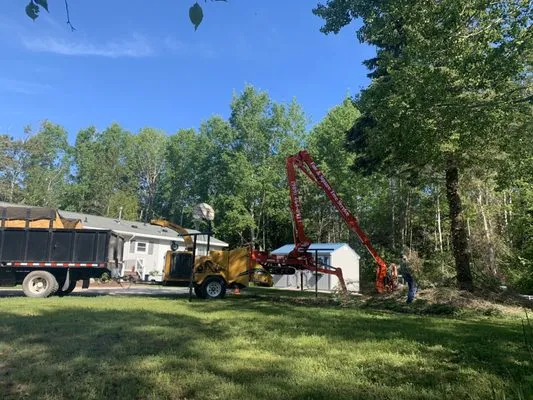
Fair & Square Lawn Care And Tree Service
Fair & Square Lawn Care And Tree Service began with a simple, powerful idea: to build a better life through hard work and helping neighbors. Founder [Name] started by clearing driveways with a snowblo...
Estimated Landscaping Service Costs in Curtis Township, MI
Q&A
Do we need a permit to regrade part of our half-acre lot, and what should we check for when hiring?
Yes, significant regrading on a 0.50-acre lot typically requires a permit from the Alcona County Building Department to ensure proper drainage and compliance with erosion control ordinances. You must verify the contractor holds appropriate licensing through the Michigan Department of Licensing and Regulatory Affairs (LARA). This ensures they carry required insurance and possess the expertise to manage soil displacement without causing off-site runoff or violating state environmental regulations.
How do we keep our Kentucky Bluegrass and Fine Fescue lawn green without violating water rules?
Despite Stage 0 water restrictions, efficient use is critical. Smart soil-moisture sensor controllers are calibrated for the high permeability of your sandy loam, preventing irrigation cycles that simply drain away. These controllers apply water based on actual evapotranspiration (ET) and soil saturation, targeting the root zone of your grass mix. This method maintains turf health while staying well within any future municipal water allocation limits.
Our lawn in Curtis Lake Estates seems thin and compacted. Is this just normal wear and tear?
This is a predictable consequence of soil maturity on lots developed around 1981. The 45-year-old acidic sandy loam has become nutrient-depleted and compacted from decades of standard maintenance. The soil's low pH of 6.2 can lock up essential nutrients, while the sand fraction offers little structure. Core aeration followed by top-dressing with compost is necessary to rebuild organic matter and improve water retention in this specific soil profile.
Is crushed limestone or pressure-treated wood better for a new fire pit area?
Crushed limestone and native fieldstone are superior to wood for durability and fire safety in Curtis Township's Moderate Wildland-Urban Interface rating. Inorganic materials do not decompose, require no chemical treatments, and create a permanent, low-maintenance surface. They also contribute to defensible space by eliminating flammable organic material immediately around the fire pit, a key consideration for fire-wise landscaping in this zone.
If a storm downs a tree branch, how quickly can a crew get here for an emergency cleanup?
An emergency crew dispatched for HOA compliance or safety hazards can typically be on site within 45 to 60 minutes during peak response times. The standard route from the Curtis Township Hall utilizes M-33 for direct access to Curtis Lake Estates. Coordination accounts for the township's noise ordinance, restricting loud equipment operation between 10 PM and 7 AM, which may affect overnight debris processing.
We've spotted what looks like Japanese Knotweed. How do we handle it without harming other plants?
Japanese Knotweed is a high-priority invasive alert for this region. Treatment requires careful, targeted herbicide application to the foliage in late summer, strictly following label instructions to protect desirable natives like Common Milkweed. This timing avoids the spring and fall blackout periods associated with statewide Phosphorus Restrictions (Part 85 of NREPA). For severe infestations, professional remediation with licensed applicators is recommended to prevent spread.
Water seems to disappear instantly into our yard. Is this a problem for new patios or gardens?
Rapid infiltration in acidic sandy loam is a double-edged sword; it prevents pooling but leaches nutrients and can undermine foundations. For hardscapes, using permeable materials like crushed limestone or native fieldstone allows water to percolate naturally, meeting Alcona County runoff standards. In planting beds, incorporating generous amounts of compost increases the soil's water-holding capacity to support plant roots effectively.
We want to reduce mowing and gas blower noise. What are the best native plants for our area?
Transitioning to a xeriscape with Michigan natives like Little Bluestem, Wild Bergamot, Black-eyed Susan, and Common Milkweed significantly reduces maintenance. This planting strategy eliminates weekly mowing, aligns with evolving noise ordinances targeting gas-powered equipment, and provides critical habitat. These deep-rooted perennials are adapted to Zone 4b and your soil's pH, requiring no irrigation once established, which conserves water long-term.
