Top Landscaping Services in Crystal Lake Township, MI, 49635 | Compare & Call
There are 49 landscaping companies server in Crystal Lake Township MI
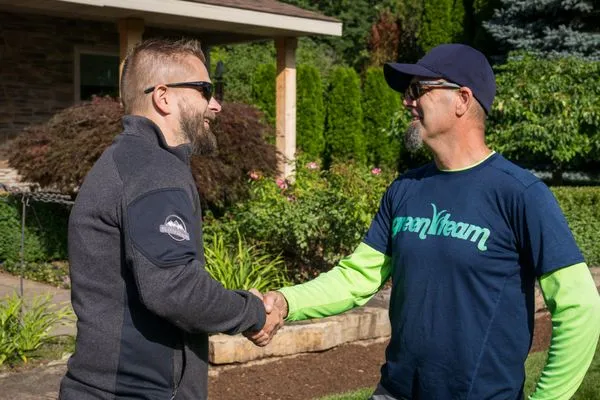
Green Team Lawn Care is a locally owned and operated lawn service founded in 2010 by Patti and Doug Bonnell, who bring over 40 years of green industry experience. Starting in Suttons Bay with just fer...
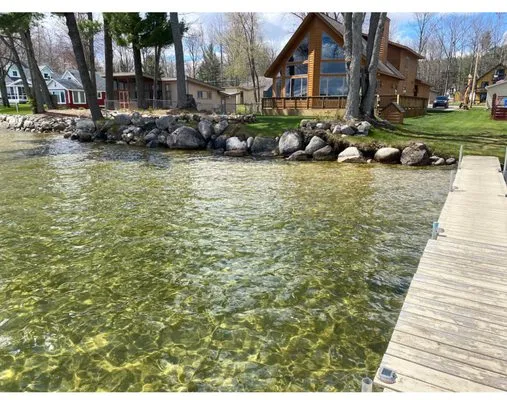
Greener Good Outdoor is a trusted landscaping company serving Elk Rapids and northern Michigan communities. With expertise in everything from earthmoving and hardscaping to tree care and irrigation, w...
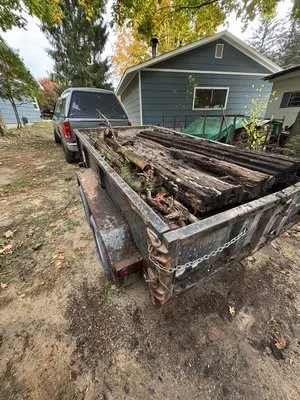
Mossy Ridge Outdoor Services is your Interlochen neighbor for year-round property care. We understand the common local challenges of bare lawn patches and overgrown shrubs that can detract from your h...
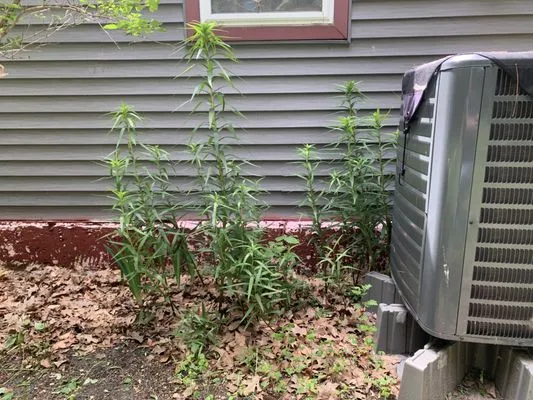
Pro Lawn Care is a licensed and insured lawn service provider based in Benzonia, MI, serving Benzie and Grand Traverse Counties. We specialize in comprehensive lawn care, including mowing, mulching, p...
EZ Home Improvements was born in Copemish from a simple idea: quality home services shouldn't break the bank. After facing steep prices as a customer, the founder took matters into his own hands. That...
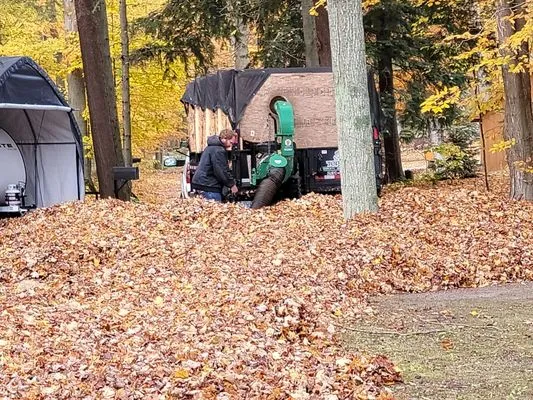
Top Notch Property Maintenance Services is a family-owned and operated business serving the Honor, MI community. Our team of skilled employees is dedicated to helping homeowners and property managers ...
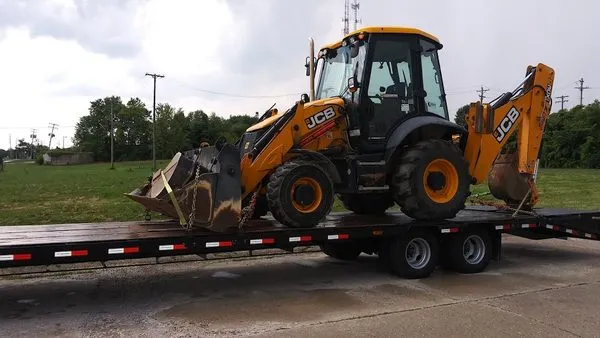
BW Land & Services
BW Land & Services is a trusted local provider in Cadillac, MI, offering a comprehensive range of property care solutions. We specialize in excavation, lawn care, tree services, and trench digging to ...
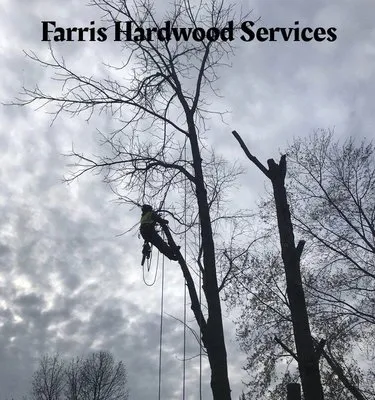
James Farris, the owner and operator of Farris Hardwood Services, has been the heart of this family-owned Elk Rapids tree care company since its founding in 2007. His passion for arboriculture has gro...
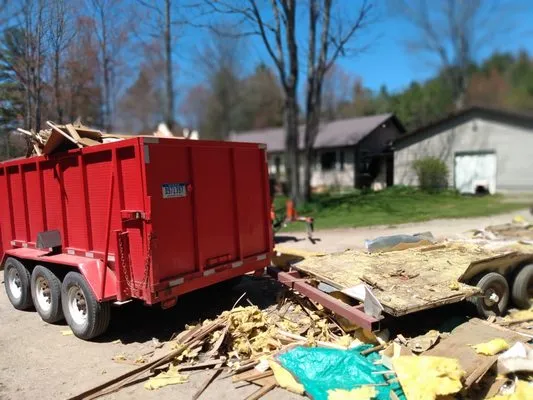
Joseph Andrew Can Do is a Kalkaska-based home improvement specialist offering reliable handyman, painting, and lawn services to residents and businesses in the community. With over 15 years of hands-o...
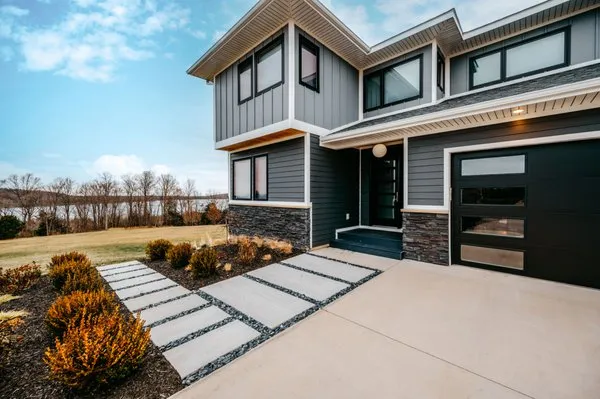
Nuñez Nursery and Landscaping is a trusted, family-owned resource for Manistee homeowners looking to create and maintain beautiful, healthy outdoor spaces. We specialize in diagnosing and solving comm...
Estimated Landscaping Service Costs in Crystal Lake Township, MI
Frequently Asked Questions
Water seems to just disappear into my yard. Is that a problem?
Yes, it indicates excessive permeability, a common trait of sandy loam. While good for avoiding ponding, it leads to nutrient leaching past the root zone. To manage runoff volume and rate to county standards, we integrate permeable design. Using locally sourced crushed limestone or fieldstone for patios and paths creates stable surfaces that allow water to infiltrate slowly, recharging groundwater and meeting Benzie County's stormwater management expectations.
Is it wasteful to water my Kentucky Bluegrass lawn here?
Not with precise management. While Stage 0 indicates no active water restrictions, our sandy loam has high leaching risk. Modern smart Wi-Fi soil moisture sensor controllers prevent waste by irrigating only when the root zone of your grass mix requires it, based on real-time evapotranspiration (ET) data. This technology delivers water directly to plant needs, conserving municipal supply and maintaining turf health without over-saturation.
Do I need a permit to regrade my half-acre property?
Significant earthmoving on a 0.50-acre lot often triggers permit requirements from the Benzie County Building & Zoning Department, especially if it alters drainage patterns or involves retaining walls over certain heights. Furthermore, the contractor performing this work must hold appropriate licensing through the Michigan Department of Licensing and Regulatory Affairs (LARA). This ensures they carry required insurance and adhere to state codes for excavation and erosion control.
Is crushed limestone better than wood for a new patio?
For longevity and fire resilience in our climate, mineral materials are superior. Crushed limestone or local fieldstone provides permanent, inorganic structure unaffected by moisture decay or insect damage. In a Moderate (Zone 2) Wildland-Urban Interface area, these materials also contribute to defensible space by creating a non-combustible zone around structures, a key consideration for Firewise USA compliance that wood decks cannot satisfy.
Why does my yard feel so compacted and dry, even in spring?
Homes in Crystal Lake Village, built around 1980, sit on soil nearly 50 years in development. Original construction compresses the native sandy loam, degrading its structure. This compaction reduces pore space, limiting water infiltration and root growth despite the soil's inherently high permeability. Annual core aeration and incorporating composted organic matter are critical to rebuild soil tilth and counteract this legacy of construction.
What invasive species should I watch for, and how do I handle them?
In this region, watch for aggressive perennials like Garlic Mustard or Spotted Knapweed. Manual removal before seed set is most effective. For persistent issues, targeted herbicide application must follow Michigan's NREPA (Part 85), which prohibits phosphorus fertilizer and regulates application timing near waterways. We develop treatment plans that avoid blackout dates, prioritize soil health, and prevent collateral damage to desirable plants like your native Red-osier Dogwood.
How quickly can you respond for an emergency tree cleanup after a storm?
For urgent HOA compliance or safety issues, our standard emergency dispatch targets a 45-60 minute arrival. We route crews from our staging near Crystal Lake Beach Park directly onto M-22, which provides the most reliable access to Crystal Lake Township neighborhoods. This timeline accounts for peak storm-related traffic and allows for immediate debris management and hazard mitigation upon arrival.
What's a lower-maintenance alternative to my high-input lawn?
Transitioning perimeter areas to a native plant community is a forward-looking solution. Species like Little Bluestem, Wild Bergamot, and Serviceberry are adapted to Zone 5a conditions, requiring no fertilization, minimal watering, and no weekly mowing. This shift reduces dependency on gas-powered equipment, aligning with evolving noise ordinance trends and creating a higher-functioning habitat that supports local biodiversity with less labor.
