Top Landscaping Services in Conway, MI, 48418 | Compare & Call
There are 76 landscaping companies server in Conway MI

With over three decades of hands-on experience, 2 Guys Property Management & Handyman Services is a locally-owned and operated business built on a foundation of craftsmanship and respect. Owner Dave (...
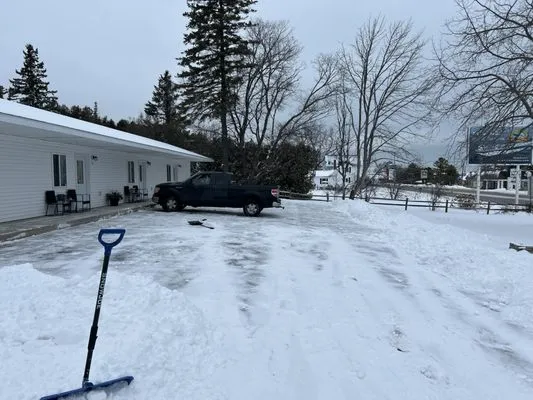
A & T Services is a local, owner-operated business built on a foundation of hard work, honesty, and pride. With over five years of experience serving Indian River, we specialize in lawn care, snow rem...
Silva & Sons Landscaping
Silva & Sons Landscaping is a trusted, family-owned business serving Harbor Springs, MI, with comprehensive outdoor solutions. We specialize in snow removal, landscaping, and masonry/concrete work to ...
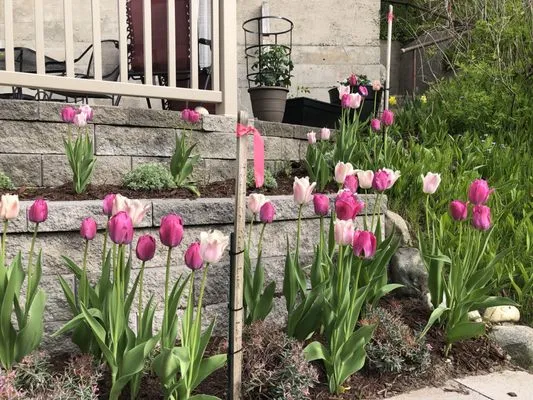
Michigan Pete Landscaping
Founded by owner Pete D, Michigan Pete Landscaping brings a unique blend of formal education and lifelong passion to Harbor Springs. Pete holds a business degree from Wayne State University and is ful...
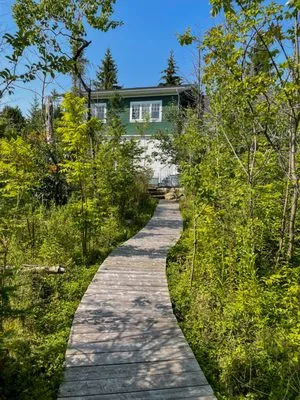
Hoover Landscaping is a family-owned business that has served the Harbor Springs area for over 20 years. The company traces its roots to the Hoover Flower Shop, run by Gerald and Gail Wells until they...

Northern MI Lawn Maintenance is a locally owned and operated lawn care and snow removal service based in Cheboygan, Michigan. We specialize in providing reliable, high-quality lawn maintenance, landsc...
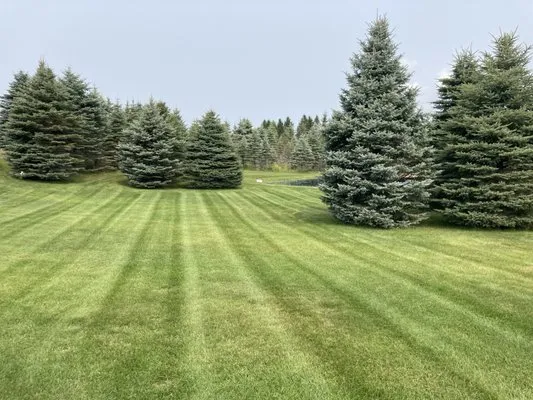
Larks Lake Lawn Care is your trusted Pellston neighbor for year-round property maintenance, specializing in lawn care and snow removal. We understand the unique challenges of Northern Michigan landsca...
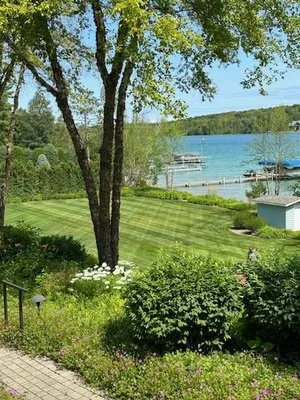
A & B Lawn Care is the trusted local lawn service for Petoskey residents, founded and operated by a Petoskey native with over 20 years of experience. Since 2004, we've built our reputation on a simple...
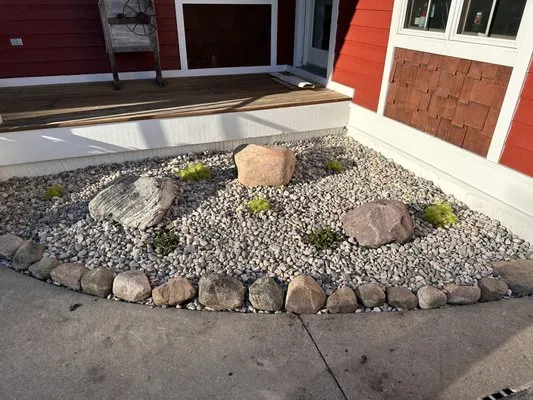
Keister's Outdoor Improvement is a local landscaping business in Gaylord, MI, owned and operated by Brian Keister. Specializing in a wide range of services including gardening, landscape construction,...
Hoffman John & Sons Landscaping & Nurseries is a trusted, family-operated business serving the Petoskey, MI community for years. We specialize in creating and maintaining beautiful, healthy outdoor sp...
Estimated Landscaping Service Costs in Conway, MI
Questions and Answers
I've spotted what looks like invasive Japanese Knotweed. How should I handle it?
Prompt identification and action are key. For confirmed invasives like Knotweed, a targeted herbicide application by a licensed professional is often necessary. All treatments must comply with the Michigan Natural Resources and Environmental Protection Act, which prohibits phosphorus fertilizers near water bodies. We follow integrated pest management (IPM) protocols, using the correct product at the proper time to minimize environmental impact while ensuring effective control.
With no water restrictions, do I still need a smart irrigation system for my Kentucky Bluegrass lawn?
Absolutely. While Conway has abundant water from the Great Lakes basin, conservation remains a best practice. Smart Wi-Fi controllers with soil moisture sensors are critical for Sandy Loam, which leaches water rapidly. These systems apply water only when needed, based on real-time evapotranspiration (ET) data, preventing overwatering and promoting deeper root growth in your turfgrass mix. This precision protects the resource and reduces your utility costs.
Is fieldstone or a wood deck better for a new patio in terms of longevity and safety?
Fieldstone or concrete pavers are superior for our climate and fire resilience. Wood requires constant sealing and deteriorates. In contrast, stone is permanent, drains well, and maintains value. For fire safety, non-combustible materials like stone contribute to defensible space, which is a core component of Firewise Level 1 compliance. This is a prudent consideration even in low-risk areas, as it reduces fuel load adjacent to your home.
The soil in my Conway yard seems thin and compacted. Is this a common issue for the neighborhood?
Yes, it's a direct consequence of the area's development history. Lots in the Conway Residential District, with homes averaging 50 years old since 1976, have mature but often degraded soil. Decades of standard lawn care have compacted the native Sandy Loam, reducing its organic matter. To restore health, core aeration followed by top-dressing with compost is essential to improve water retention and microbial activity in this permeable soil type.
My yard drains too quickly after rain, washing away mulch and topsoil. What's the solution?
This is a classic symptom of high permeability in Sandy Loam. The solution focuses on slowing water movement and increasing organic content. Amending soil with compost and using dense, deep-rooted native plants improves structure. For hardscapes, specify permeable installations like dry-laid fieldstone or concrete pavers with gravel joints. These methods increase infiltration and can help new projects meet the Emmet County Planning & Zoning Department's standards for stormwater management.
A storm just knocked down a large limb. How quickly can a crew respond for emergency cleanup?
Our standard emergency dispatch targets a 20-30 minute arrival for critical hazards. Crews stationed near Crooked Lake Park would route via US-31 into the Conway Residential District. This timeframe allows for safe travel and equipment loading during peak response hours. We prioritize securing the site to prevent further property damage or safety risks before beginning systematic debris removal.
What permits or licenses are needed to regrade and landscape my half-acre property?
Significant earthmoving on a 0.45-acre lot typically requires a permit from the Emmet County Planning & Zoning Department to ensure proper drainage and erosion control. Crucially, the contracting firm must hold appropriate licensing through the Michigan Department of Licensing and Regulatory Affairs (LARA). This verifies they carry insurance and adhere to state standards, protecting you from liability for improper grading that could affect neighboring parcels or waterways.
I want to reduce mowing and gas-powered noise. What are my options?
Transitioning to a climate-adapted landscape is the most effective strategy. Replace high-input turf areas with communities of Conway-appropriate natives like Butterfly Milkweed, Wild Bergamot, and Black-eyed Susan. These plants require no mowing, minimal watering once established, and support local pollinators. This approach future-proofs your property against potential tightening of noise ordinances and aligns with a shift toward quieter, electric maintenance equipment.
