Top Landscaping Services in Comstock, MI, 49041 | Compare & Call
There are 204 landscaping companies server in Comstock MI
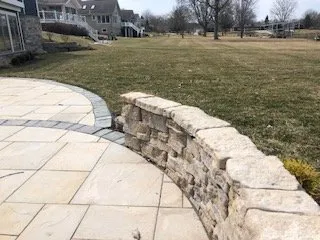
Needhams Leaf & Lawn Services is your local, full-service property maintenance partner in Scotts, MI. We specialize in comprehensive lawn care, landscaping, and snow plowing, with a particular focus o...
JH Lawn Care is your trusted Galesburg partner for a healthy, beautiful property. We understand the local challenges, from malfunctioning irrigation timers that can parch your lawn to stubborn weed in...
For over 35 years, Naturescape has been a trusted name in lawn and landscape care for Galesburg residents. Founded in 1986, we provide reliable, professional services with a commitment to quality that...
West Michigan Lawn and More
West Michigan Lawn and More is your trusted local partner for enhancing and maintaining your Galesburg property year-round. As a full-service provider, we specialize in professional landscape design, ...
Collard's Quality Landscaping is a trusted Richland, MI landscaping company dedicated to solving common local yard challenges. Many homes in our area experience issues like poor lawn grading and yard ...
Professional Docks & Landscaping is a Richland, MI-based business dedicated to enhancing outdoor living spaces through expert landscaping services. Many local homes face common issues like sprinkler c...
Covell Lawncare & Snowplowing is a locally owned and operated Kalamazoo business dedicated to solving the specific lawn challenges homeowners face in our climate. We understand that common issues like...

Hinkley Lawn & Snow is a trusted, locally-owned company serving Kalamazoo and surrounding areas with comprehensive outdoor care. We understand the common local challenges homeowners face, such as dyin...
RMB Lawncare is your local, Galesburg-based partner for a healthier, more resilient lawn. We specialize in comprehensive lawn care services designed to tackle the specific challenges our community fac...
EZ Lawn Care is a trusted local lawn service provider in Parchment, MI, dedicated to helping homeowners maintain healthy, beautiful yards. We specialize in comprehensive lawn care solutions that addre...
Estimated Landscaping Service Costs in Comstock, MI
Questions and Answers
What solutions work for seasonal water table fluctuations?
Moderate water table fluctuations in sandy loam soils require graded swales directing runoff away from foundations. Permeable concrete pavers with crushed limestone bases achieve 5-8 inch per hour infiltration rates, meeting Comstock Township Building & Zoning Department runoff standards. French drains with clean stone aggregate and geotextile fabric provide secondary protection, while rain gardens planted with native species offer biological filtration. These systems collectively manage 1-2 inch per hour storm events common in Zone 6a.
Can I reduce maintenance while supporting pollinators?
Replacing 30-50% of traditional turf with butterfly weed, wild bergamot, and little bluestem creates biodiverse landscapes requiring 70% less water. These Michigan natives establish deep root systems within 2 growing seasons, eliminating weekly mowing and reducing gas-powered equipment use ahead of potential noise ordinance expansions. Purple coneflower and New England aster provide sequential blooming from June through October, supporting native bee populations while meeting Firewise USA defensible space guidelines through strategic placement.
Why does my lawn have drainage issues and compacted soil?
Comstock Township Center lots built around 1992 have 34-year-old soil profiles. Sandy loam soils in this neighborhood naturally compact over decades, reducing permeability to 0.5-1.5 inches per hour. Core aeration every 2-3 years introduces oxygen channels while compost topdressing adds organic matter to improve water retention. Soil testing confirms pH 6.2-6.8 requires no lime adjustment, but 2-3% organic content is optimal for turf health.
Are concrete pavers better than wood for patio longevity?
Concrete pavers with polymeric sand joints maintain structural integrity 25-30 years versus wood's 10-15 year lifespan with regular treatment. Their non-combustible nature supports Firewise USA moderate rating compliance when installed with 5-foot defensible space around structures. Crushed limestone bases provide 98% compaction rates for frost heave resistance, while modular designs allow future reconfiguration without complete removal. Thermal expansion joints every 20-25 feet prevent cracking during Zone 6a freeze-thaw cycles.
How do I handle invasive species without chemical runoff?
Japanese knotweed and garlic mustard pose primary risks in Comstock's disturbed soils, requiring mechanical removal before seed set in early summer. The Michigan Natural Resources and Environmental Protection Act prohibits phosphorus applications unless soil tests demonstrate deficiency, with blackout dates typically November 1-March 15. Targeted glyphosate applications using sponge wipers minimize drift, while mycorrhizae inoculants help natives outcompete invaders. Always verify treatment timing against local advisories for aquatic protection.
How quickly can you respond to storm damage for HOA compliance?
Emergency cleanup crews dispatch from the Comstock Township Library area via I-94, maintaining 20-30 minute response times during peak events. This routing avoids residential congestion while allowing equipment transport for fallen limb removal and drainage clearing. Crews document damage with geotagged photos for insurance claims while prioritizing safety hazards before aesthetic concerns. Evening restrictions under noise ordinances require completion by 8:00 PM.
What permits and licenses are needed for grading work?
Grading altering more than 100 cubic yards on 0.35-acre lots requires Comstock Township Building & Zoning Department review for erosion control compliance. Michigan LARA mandates licensed landscape architects for designs impacting stormwater management, while contractors need specialty licenses for irrigation system installation. Soil export exceeding 10 cubic yards triggers separate permitting, and any work within 50 feet of wetlands demands Department of Environment, Great Lakes, and Energy approval. Always verify current requirements as ordinances evolve toward 2027 standards.
Should I worry about water restrictions affecting my lawn?
Stage 0 status means no active restrictions, but smart Wi-Fi soil moisture controllers prevent overwatering by tracking evapotranspiration rates. These systems maintain Kentucky bluegrass and fine fescue blends at 1-1.5 inches weekly while reducing municipal water use 30-40%. Sensors placed at root zones (4-6 inch depth) trigger irrigation only when soil moisture drops below 50% field capacity. This precision avoids runoff while meeting turf's 0.75 inch per week minimum during drought periods.
