Top Landscaping Services in Columbia Township, MI, 49201 | Compare & Call
There are 188 landscaping companies server in Columbia Township MI

Marsh Professional Lawncare in Adrian, MI, is a locally owned and operated outdoor maintenance company founded in 2020. Our journey began with a simple passion for helping neighbors create beautiful, ...
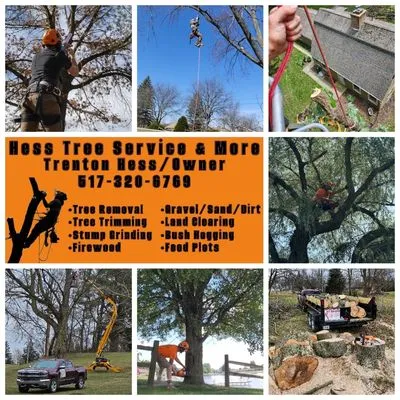
Hess Tree Service & More, owned and operated by Trenton Hess, is your trusted local partner for all things tree and landscape care in Hudson, MI. We're passionate about precise tree cutting and land c...
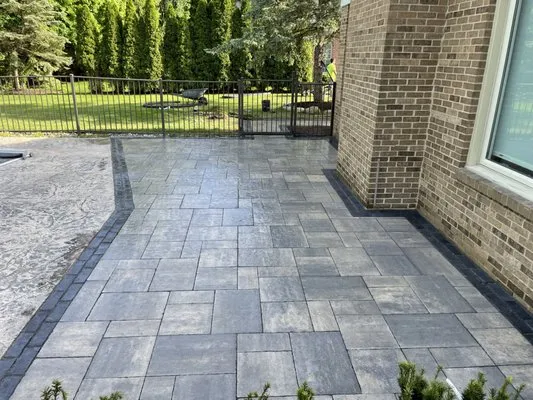
Yepez Landscaping is a full-service landscaping company serving Adrian, MI, and the surrounding area. We specialize in transforming outdoor spaces through comprehensive design, construction, and maint...

KAS Lawn Solutions is a trusted, locally-owned lawn care company that has been serving Palmyra and Lenawee County since 2005. With deep roots in the community, we understand the unique challenges that...
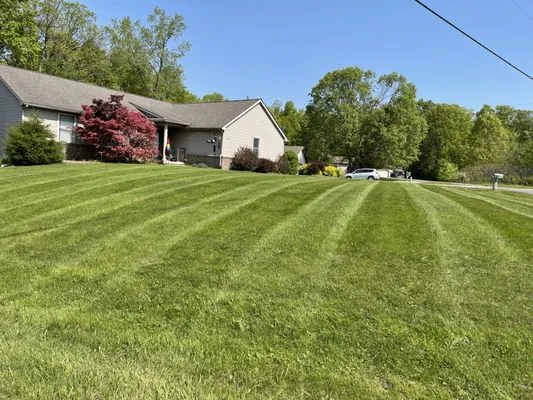
Kish Lawn and Landscape is a dedicated lawn care provider serving Onsted, Michigan, and the surrounding communities. We specialize in addressing common local landscaping challenges, such as uneven spr...
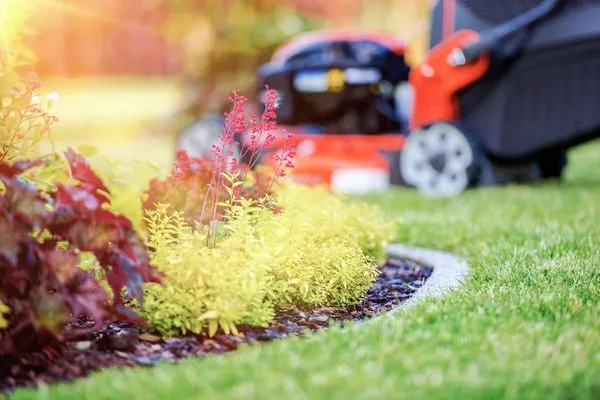
D & C Lawn and Landscaping is a trusted, locally-owned landscaping and snow removal company serving Sand Creek, MI. We specialize in addressing common local landscaping challenges, such as rock garden...
GT Lawn Care is a trusted Adrian, MI lawn services and snow removal company dedicated to solving common local landscaping challenges. Many Adrian homeowners face issues like sprinkler leaks and irriga...
Joe Strong Construction is a family-owned and operated business serving Adrian and the surrounding Lenawee, Jackson, and Washtenaw counties for over 40 years. We specialize in turning your property in...
Adrian Lawn & Home is your trusted local expert in Clayton, MI, providing comprehensive lawn care and handyman services. We understand the unique challenges of our local soil, including bare patches a...
Haligus Services, based in Napoleon, MI, has been a trusted local provider of irrigation, lawn care, and pest control solutions since 1977. With over 4,000 sprinkler systems installed across Jackson, ...
Estimated Landscaping Service Costs in Columbia Township, MI
Question Answers
My yard stays soggy for days after rain. What solutions work with our local soil?
A high seasonal water table and poor infiltration are common in Columbia Township's sandy loam. Solutions must address subsurface flow. Installing a French drain system tied to a dry well is often necessary. For hardscapes, specify permeable concrete pavers or an open-graded crushed limestone base to increase permeability and meet the Columbia Township Building Department's stormwater runoff standards.
How quickly can you respond to an emergency like a storm-damaged tree blocking a driveway?
For emergency storm response, our dispatch from the Columbia Township Park area via US-127 allows a reliable arrival within 25-35 minutes during peak traffic. This prioritizes HOA compliance and safety hazards. Our fleet includes electric chippers and saws, enabling immediate work within the township's noise ordinance hours, which restrict loud equipment before 7:00 AM and after 9:00 PM.
Are concrete pavers a better choice than wood for a new patio?
Concrete pavers offer superior longevity and lower maintenance compared to wood in our climate. They are non-combustible, which contributes to defensible space in Columbia Township's Moderate (Intermix) Fire Wise Rating zone. Properly installed with a geotextile fabric and permeable base, paver systems also mitigate the local drainage hazard by allowing water infiltration, unlike solid concrete slabs.
What permits and credentials should I verify before hiring for major landscaping work?
Any significant grading, drainage alteration, or structural work on a 0.35-acre lot requires verification of licensing and permits. Contractors must be licensed through the Michigan Department of Licensing and Regulatory Affairs (LARA). The Columbia Township Building Department issues permits for projects impacting stormwater runoff or lot grading. Always request proof of both to ensure work meets code and protects your property value.
What are the long-term alternatives to constant mowing and blowing?
Transitioning to a native plant landscape is a strategic, low-input alternative. Species like Butterfly Milkweed, Wild Bergamot, and Little Bluestem are adapted to Zone 6a and require no fertilization, minimal water, and infrequent cutting. This reduces fuel consumption and noise, aligning with the trend toward electric maintenance fleets and stricter local noise ordinances for gas-powered blowers.
How do I keep my Kentucky Bluegrass lawn healthy without wasting water?
Wi-Fi ET-based irrigation systems are the standard for efficiency. They use real-time evapotranspiration data to apply only the water your turfgrass blend needs, preventing overwatering despite Columbia Township's voluntary conservation status. This technology is critical for managing the sandy loam's poor infiltration, ensuring deep root growth while staying well within any future municipal water use limits.
Why does my lawn struggle to hold water and nutrients, and what's the history of the soil in Clark Lake?
Columbia Township, particularly Clark Lake, was developed in the late 1970s. With homes averaging 49 years old (2026 - 1977), the original topsoil was often stripped and compacted during construction. The resulting sandy loam has poor structure and low organic matter, leading to rapid drainage and nutrient leaching. To restore soil health, core aeration and incorporating 1-2 inches of compost are essential to improve water retention and microbial activity.
What invasive species should I watch for, and how do I treat them safely?
Common invasive alerts for our area include garlic mustard and spotted knapweed. Manual removal before seed set is most effective. For persistent issues, targeted spot treatment with a glyphosate-based herbicide may be necessary, but always apply according to label and avoid drift. Note that any fertilizer used must be phosphorus-free per Michigan law, and avoid applications near waterways or during seasonal blackout dates to protect the Clark Lake watershed.
