Top Landscaping Services in Clinton Township, MI, 48035 | Compare & Call
There are 188 landscaping companies server in Clinton Township MI
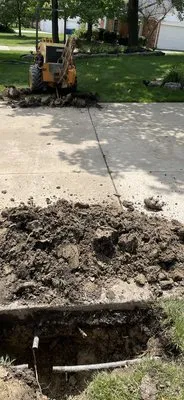
ZB’S Lawn Sprinklers is a locally owned and operated Clarkston business dedicated to the installation, maintenance, and repair of residential lawn sprinkler systems. Whether you need a full new irriga...
Bellagio's Landscaping is a trusted, locally-owned landscaping company serving Sterling Heights, MI, and the surrounding areas. With years of experience in the local climate and soil conditions, we sp...
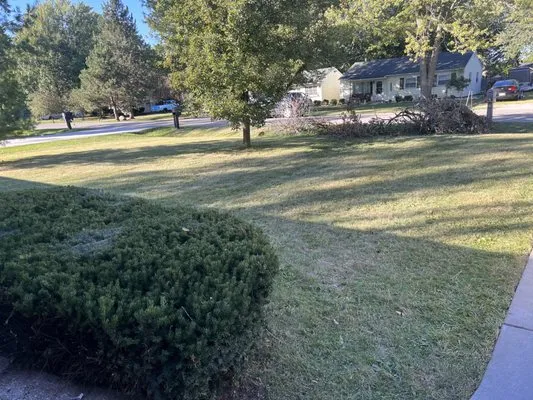
Bush Boys is a Roseville-based landscaping company dedicated to creating and maintaining healthy, beautiful outdoor spaces for local homeowners. We understand the common challenges our neighbors face,...
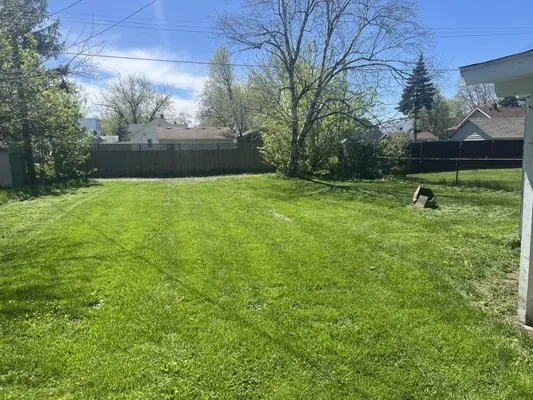
Lowest Price Landscaping in Macomb, MI, provides reliable, budget-friendly landscaping and tree care services tailored to the local climate. We specialize in addressing common Macomb-area issues like ...
Three C's Landscaping is a family-owned and operated landscaping company that has been a trusted name in Fraser, MI, and the surrounding communities since 1972. For over five decades, they have specia...
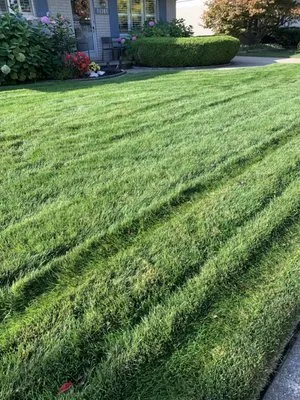
Richter's Beautification
Richter's Beautification is a family-owned lawn care, tree service, and pest control provider serving Utica, Michigan, and the surrounding communities. For years, our local team has been dedicated to ...
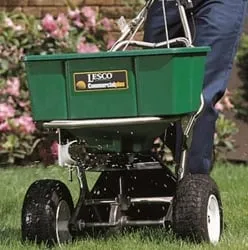
EcoTurf Lawn Care is a family-owned and operated lawn service in Sterling Heights, MI, proudly serving all of Macomb County and parts of Oakland County. We build lasting relationships by providing dep...
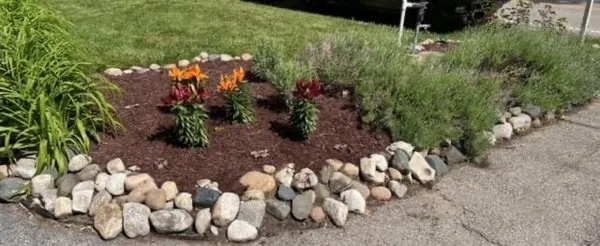
Jackson Bright is the owner of Bright Lawn and Landscape, a locally owned and operated business in Shelby Township, Michigan. What sets the company apart is its foundation as a teenage-owned venture, ...

Alpine Tree and Lawn Care is a trusted, independently owned business serving Sterling Heights and southeast Michigan since 1993. With over 30 years of combined experience, our team of licensed arboris...

Ta Lawn & Landscaping Services is a trusted, full-service provider for Sterling Heights homeowners. We specialize in year-round property care, from meticulous lawn mowing and seasonal fertilization to...
Estimated Landscaping Service Costs in Clinton Township, MI
Frequently Asked Questions
Why does my soil in Clinton River Valley seem so compacted and unhealthy?
Most residential lots in the Clinton River Valley were developed around 1976, resulting in a 50-year-old soil profile. This age means your Blount-Morley-Urban Land Complex soil has undergone decades of compaction from construction and foot traffic, reducing its permeability. The inherent high clay content leads to poor aeration and seasonal ponding. Annual core aeration and incorporating 2-3 inches of compost are critical interventions to rebuild soil structure and biological activity.
What's the best solution for the constant puddling in my backyard?
Seasonal ponding is a direct result of the high clay content and low permeability in your soil complex. A two-part solution is most effective: first, install a French drain or dry well system to capture and redirect subsurface water. Second, replace impervious surfaces with permeable pavers or crushed limestone for patios and walkways, which meets Clinton Township Building Department standards for managing stormwater runoff on-site.
How can I keep my Kentucky Bluegrass lawn healthy during Stage 1 water conservation?
Under voluntary conservation, efficient water use is paramount. We install smart Wi-Fi soil moisture sensor controllers that schedule irrigation based on real-time evapotranspiration (ET) data and soil conditions. This technology prevents overwatering, which is common in clay soils, and can reduce potable water use by 20-30% while maintaining turf health. Deep, infrequent watering cycles are programmed to encourage deeper root growth and drought tolerance.
How quickly can a crew respond for an emergency tree limb cleanup after a storm?
For urgent HOA compliance or safety issues like downed limbs, our dispatch from the Clinton Township Civic Center uses M-59 (Hall Road) for primary access to the Clinton River Valley. Accounting for peak traffic, our target storm response time is 20-30 minutes. We maintain dedicated electric vehicles and equipment in our fleet to comply with local noise ordinances, allowing for early morning mobilization if required.
What permits and licenses are needed to regrade my 0.25-acre property?
Significant grading that alters drainage patterns requires a permit from the Clinton Township Building Department to ensure compliance with local erosion control and stormwater ordinances. The contractor performing this work must hold appropriate licensing through the Michigan Department of Licensing and Regulatory Affairs (LARA). For a lot of this size, improper grading can negatively impact neighboring properties, making professional, licensed execution a legal and practical necessity.
What should I do if I spot invasive species like garlic mustard or Japanese knotweed?
Early identification and manual removal are crucial before these species establish. For chemical control, a licensed professional must use a phosphorus-free herbicide, as mandated by Michigan law, and apply it during the plant's active growth phase, avoiding blackout dates near waterways. Never compost invasive plant material; instead, bag and dispose of it with municipal waste to prevent further spread in the Clinton River Valley.
Is there a lower-maintenance alternative to my traditional lawn that still looks good?
Absolutely. Transitioning to a native plant landscape using species like Purple Coneflower, Butterfly Milkweed, and Little Bluestem drastically reduces water, mowing, and chemical inputs. These deep-rooted perennials build soil health and support local pollinators. This approach future-proofs your property against evolving noise ordinances targeting gas-powered blowers and aligns with biodiversity goals for 2026, creating a resilient, self-sustaining ecosystem.
Are concrete pavers a better long-term choice than wood for a new patio?
For longevity and low maintenance in our climate, concrete pavers are superior. They resist frost heave, do not rot or warp, and their permeable installation options aid drainage. While the initial cost is higher, the lifecycle cost is lower. In terms of the Low Fire Wise rating for our area, pavers and crushed limestone provide a non-combustible, defensible space material, enhancing property safety compared to wooden decks.
