Top Landscaping Services in Clinton Township, MI, 48035 | Compare & Call
There are 188 landscaping companies server in Clinton Township MI
AWDIS Irrigation is a family-owned and operated sprinkler company serving Mount Clemens and the surrounding communities with over 20 years of dedicated experience. Founded by Kareem in 1998, the busin...
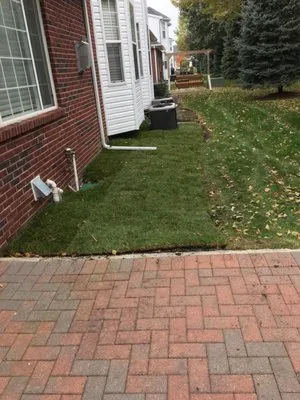
Kris's Lawn Care
Since 2009, Kris's Lawn Care has grown from a trusted local service for a few Sterling Heights residents into a leading Michigan provider, serving hundreds of homes in Rochester, Sterling Heights, and...
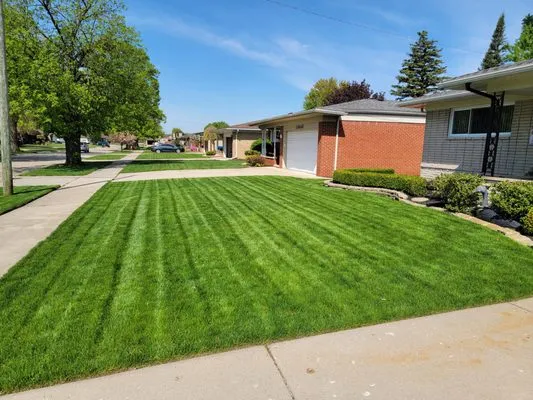
G&T Lawn Care began right here in Roseville with a simple goal: to help our neighbors experience the satisfaction of a perfectly maintained lawn. It started with two friends, a single mower, and a sha...

For over 25 years, BloomScape has been transforming outdoor spaces in Lincoln Park, Michigan, helping homeowners create beautiful landscapes that enhance their homes. We specialize in comprehensive la...
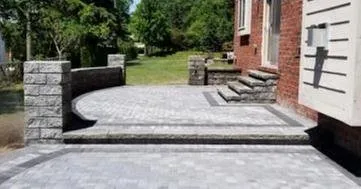
C&J Bush Building and Landscaping is a family-owned business with deep roots in Roseville, MI, spanning over 50 years. It began when the founder sought to earn extra income by working on new homes aft...
Kyngs Lawn Care is a family-founded lawn service in Roseville, MI, built on a foundation of experience and purpose. With nearly three years of hands-on landscaping expertise, the owner ensures every j...

Neffie Services is a trusted landscaping company serving Madison Heights, MI, dedicated to solving common local yard problems. Many homeowners in our area struggle with issues like standing water in t...
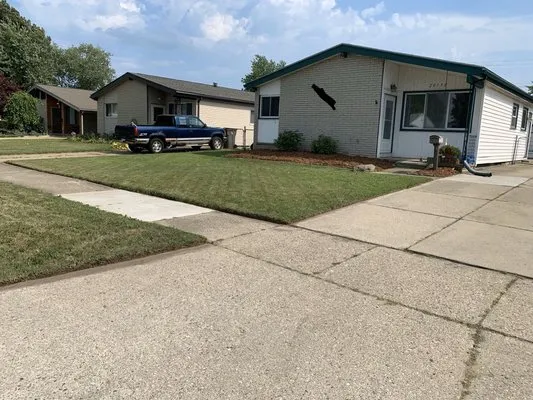
Always There Lawn Care is a family-run landscaping service in Roseville, MI, founded by a father who wanted to build a business that supports his family while teaching his children responsibility and ...
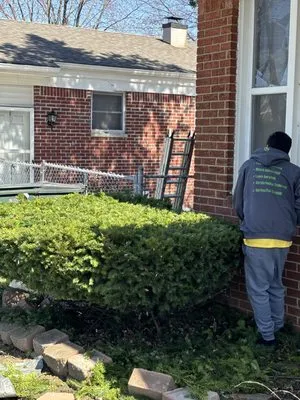
Green Rhino Lawn Care is a family-owned lawn care service based in St. Clair Shores, MI, dedicated to providing reliable and personalized outdoor maintenance for local residents. With expertise in law...
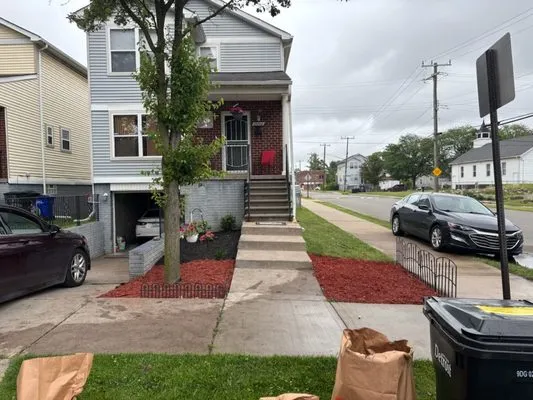
M&O Landscaping is a Detroit-based company dedicated to transforming outdoor spaces into beautiful, functional environments for Michigan homeowners. Our team specializes in comprehensive landscaping s...
Estimated Landscaping Service Costs in Clinton Township, MI
Frequently Asked Questions
Why does my soil in Clinton River Valley seem so compacted and unhealthy?
Most residential lots in the Clinton River Valley were developed around 1976, resulting in a 50-year-old soil profile. This age means your Blount-Morley-Urban Land Complex soil has undergone decades of compaction from construction and foot traffic, reducing its permeability. The inherent high clay content leads to poor aeration and seasonal ponding. Annual core aeration and incorporating 2-3 inches of compost are critical interventions to rebuild soil structure and biological activity.
What's the best solution for the constant puddling in my backyard?
Seasonal ponding is a direct result of the high clay content and low permeability in your soil complex. A two-part solution is most effective: first, install a French drain or dry well system to capture and redirect subsurface water. Second, replace impervious surfaces with permeable pavers or crushed limestone for patios and walkways, which meets Clinton Township Building Department standards for managing stormwater runoff on-site.
How can I keep my Kentucky Bluegrass lawn healthy during Stage 1 water conservation?
Under voluntary conservation, efficient water use is paramount. We install smart Wi-Fi soil moisture sensor controllers that schedule irrigation based on real-time evapotranspiration (ET) data and soil conditions. This technology prevents overwatering, which is common in clay soils, and can reduce potable water use by 20-30% while maintaining turf health. Deep, infrequent watering cycles are programmed to encourage deeper root growth and drought tolerance.
How quickly can a crew respond for an emergency tree limb cleanup after a storm?
For urgent HOA compliance or safety issues like downed limbs, our dispatch from the Clinton Township Civic Center uses M-59 (Hall Road) for primary access to the Clinton River Valley. Accounting for peak traffic, our target storm response time is 20-30 minutes. We maintain dedicated electric vehicles and equipment in our fleet to comply with local noise ordinances, allowing for early morning mobilization if required.
What permits and licenses are needed to regrade my 0.25-acre property?
Significant grading that alters drainage patterns requires a permit from the Clinton Township Building Department to ensure compliance with local erosion control and stormwater ordinances. The contractor performing this work must hold appropriate licensing through the Michigan Department of Licensing and Regulatory Affairs (LARA). For a lot of this size, improper grading can negatively impact neighboring properties, making professional, licensed execution a legal and practical necessity.
What should I do if I spot invasive species like garlic mustard or Japanese knotweed?
Early identification and manual removal are crucial before these species establish. For chemical control, a licensed professional must use a phosphorus-free herbicide, as mandated by Michigan law, and apply it during the plant's active growth phase, avoiding blackout dates near waterways. Never compost invasive plant material; instead, bag and dispose of it with municipal waste to prevent further spread in the Clinton River Valley.
Is there a lower-maintenance alternative to my traditional lawn that still looks good?
Absolutely. Transitioning to a native plant landscape using species like Purple Coneflower, Butterfly Milkweed, and Little Bluestem drastically reduces water, mowing, and chemical inputs. These deep-rooted perennials build soil health and support local pollinators. This approach future-proofs your property against evolving noise ordinances targeting gas-powered blowers and aligns with biodiversity goals for 2026, creating a resilient, self-sustaining ecosystem.
Are concrete pavers a better long-term choice than wood for a new patio?
For longevity and low maintenance in our climate, concrete pavers are superior. They resist frost heave, do not rot or warp, and their permeable installation options aid drainage. While the initial cost is higher, the lifecycle cost is lower. In terms of the Low Fire Wise rating for our area, pavers and crushed limestone provide a non-combustible, defensible space material, enhancing property safety compared to wooden decks.
