Top Landscaping Services in Clearwater, MI, 49612 | Compare & Call

There are 90 landscaping companies server in Clearwater MI
All-Around Pro Services is your trusted local provider in Manistee, MI, offering expert pressure washing, lawn care, and window cleaning to enhance your property's curb appeal and health. We understan...
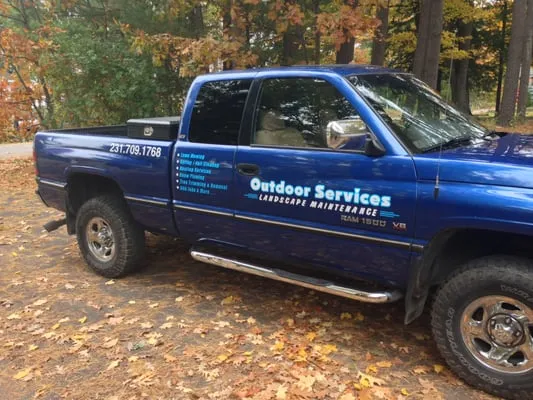
Outdoor Services was founded in Traverse City in 2011 by Tyler, whose lifelong experience in the industry is built on a simple principle: honesty and integrity should be the foundation of every job. A...
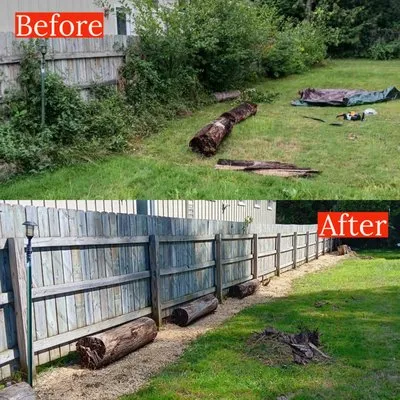
Northern Prestige Landscaping
Northern Prestige Landscaping is a Mesick-based company specializing in comprehensive outdoor solutions, including landscape design, greenscape design, lawn care, and tree services such as planting, p...
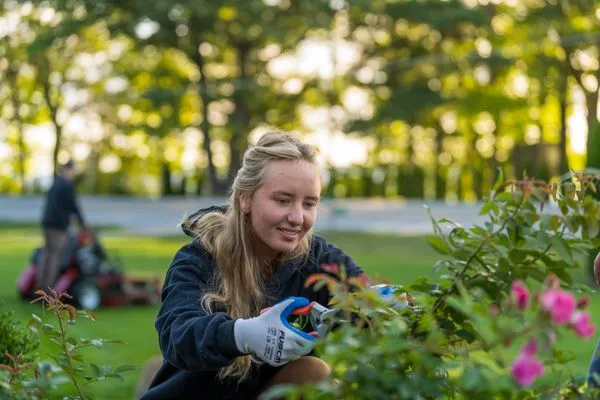
TruNorth Landscaping
TruNorth Landscaping is a family-owned, full-service landscape company serving Traverse City and Leelanau County. Founded by Doug and Patti Bonnell, who bring over 40 years of combined Green Industry ...
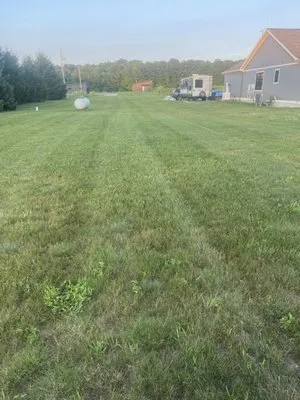
A&D Landscaping is a full-service landscaping company serving Kingsley, MI, and surrounding areas. We specialize in comprehensive landscape solutions including design, installation, maintenance, and s...
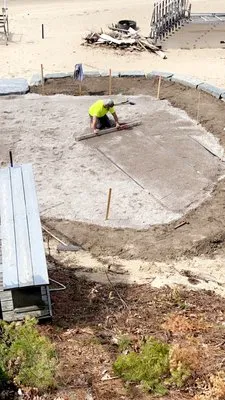
Grand Traverse Bay Outdoor Services was founded in Cadillac, MI, in 2020, turning a lifelong dream into reality. Owner-driven and deeply rooted in the local community, the company has evolved from off...
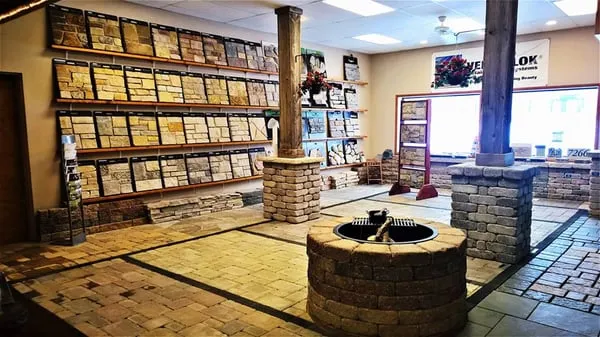
The Concrete Service
The Concrete Service in Traverse City, MI, is a family-operated masonry and hardscape materials supplier with deep local roots. Established in 1932 by Ralph Samuelson, the business has been passed dow...
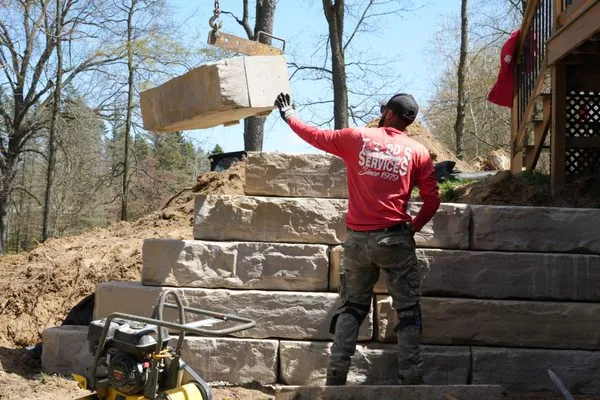
Todd's Services is a trusted, locally-owned provider in Kingsley, MI, specializing in comprehensive outdoor solutions for both homes and businesses. Originally founded as the first satellite branch fr...
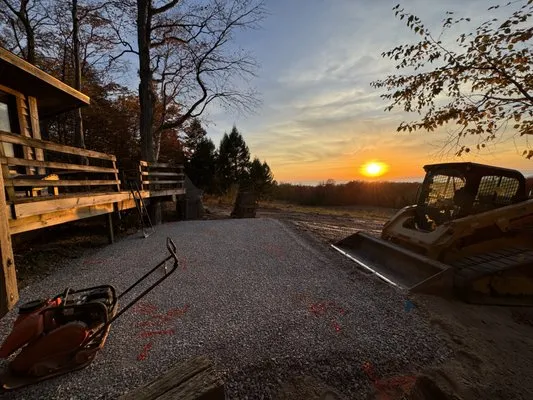
Sleeping Bear Services LLC is a locally owned small business serving the Traverse City area, dedicated to creating quality, functional outdoor spaces. Our advantage lies in our hands-on approach to qu...
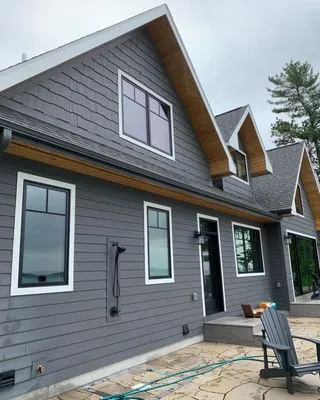
Radiant Reflections was founded by local friends Ian McDonald and Miles Prabhaker, who built this Elk Rapids business from the ground up. Starting with a focus on professional exterior cleaning, they'...
Estimated Landscaping Service Costs in Clearwater, MI
Q&A
What permits and licenses are required for significant landscaping projects on our property?
The Kalkaska County Building & Zoning Department requires permits for any grading affecting more than 500 square feet or altering natural drainage patterns. Contractors must hold Michigan LARA licensing for irrigation system installation and structural retaining walls over 4 feet. On 0.55-acre lots, tree removal near property lines may require boundary surveys to avoid encroachment issues. Always verify contractor credentials through LARA's online database before commencing work exceeding $600 in value.
What invasive species should Clearwater homeowners monitor for, and how do we treat them safely?
Garlic mustard and spotted knapweed present significant invasion risks in Kalkaska County, outcompeting native vegetation within 2-3 growing seasons. Manual removal before seed set in early summer prevents spread without chemical intervention. For persistent infestations, targeted glyphosate applications in fall avoid spring phosphorus restriction periods near water bodies. Always apply treatments during calm conditions to prevent drift, and document control measures for property transfer disclosures.
Which hardscape materials offer the best longevity and fire safety for our climate?
Crushed limestone and permeable concrete pavers outperform wood by 3-4 times in lifespan while requiring minimal maintenance. These non-combustible materials satisfy the 5-foot defensible space requirement for moderate fire-risk zones. Limestone's natural pH of 7.0-8.0 complements sandy loam soils without altering drainage characteristics. Properly installed permeable systems handle freeze-thaw cycles better than solid concrete, reducing frost-heave damage common in Zone 5a winters.
How do we address seasonal saturated soils and frost-heave issues in our landscape?
Sandy loam soils in USDA Zone 5a experience moderate drainage challenges during spring thaw and heavy rainfall periods. Permeable concrete pavers or crushed limestone installations create 30-40% void spaces that allow natural infiltration while meeting Kalkaska County runoff standards. French drain systems with clean stone aggregate redirect subsurface water away from foundations. Grading adjustments that maintain 2% slope away from structures prevent ponding in low-lying areas common to 0.55-acre lots.
What irrigation strategy works best for Kentucky Bluegrass/Fine Fescue blends during dry periods?
Smart Wi-Fi soil moisture sensors optimize irrigation by measuring actual root-zone conditions rather than following fixed schedules. These controllers apply water only when ET rates indicate need, typically 1-1.5 inches weekly during peak summer months. This approach maintains turf health while staying within voluntary conservation guidelines, using 30-40% less water than traditional timer-based systems. Deep, infrequent watering encourages deeper root development that better withstands seasonal drought stress.
How quickly can you respond to emergency storm damage or HOA compliance issues in Clearwater?
Emergency response teams dispatch from Clearwater Township Hall via M-72, reaching most Clearwater Village properties within 45-60 minutes during peak conditions. Our electric maintenance fleet operates within the 8:00 PM to 7:00 AM noise ordinance restrictions for after-hours emergencies. HOA compliance issues typically receive same-day assessment with documentation provided to property managers within 24 hours of site evaluation.
What low-maintenance alternatives exist for high-water turf areas in our yard?
Transitioning 25-50% of turf to native plantings like Little Bluestem, Butterfly Milkweed, and Black-eyed Susan reduces maintenance by 60-70% annually. These deep-rooted perennials require no irrigation once established and support local pollinator populations. Electric maintenance equipment operates quietly within noise ordinance hours while eliminating gas emissions. Native plant communities naturally suppress weeds through competitive exclusion, minimizing herbicide needs near water bodies where phosphorus restrictions apply.
Why does my Clearwater Village lawn struggle with compaction and poor drainage despite regular care?
Clearwater Village properties average 42 years of soil development since 1984 construction, creating mature but compacted sandy loam profiles. This soil type naturally settles over decades, reducing permeability and increasing seasonal frost-heave risks. Core aeration every 2-3 years with organic amendments like composted leaf mold addresses compaction while maintaining the pH 6.2 balance. Mature landscapes benefit from deep-rooted native plantings that naturally improve soil structure without chemical intervention.
