Top Landscaping Services in Clark, MI, 49719 | Compare & Call
There are 151 landscaping companies server in Clark MI
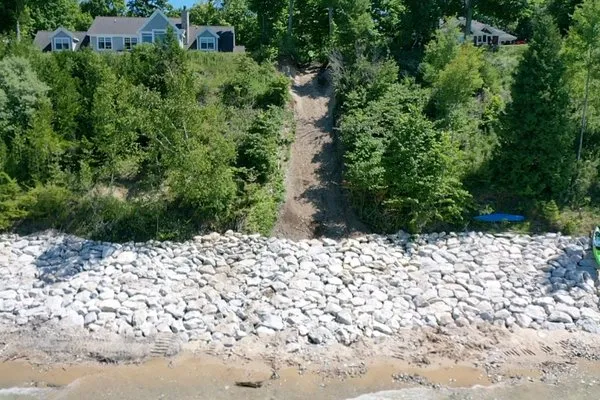
Mountain Stone in Brimley, MI, is a specialized erosion control contractor with deep roots in the Great Lakes region. Led by Jim Bourque, who brings over 40 years of quarry development experience acro...
Meyer Landscape is a trusted local landscaping company serving Sault Ste. Marie, MI, and the surrounding areas. We specialize in providing practical, reliable solutions for the specific challenges hom...
All Clean Pressure Washing provides essential lawn care and pressure washing services for Sault Ste. Marie homeowners. We understand the local challenges, like standing water that can drown roots and ...
Matheny Lawn Service is a trusted, locally-owned landscaping company serving the Sault Ste. Marie, MI area. We understand the unique challenges local homeowners face, including rock garden shifting du...
Little Man Service is a trusted, locally-owned snow removal and landscaping company serving Sault Sainte Marie, MI. We specialize in reliable snow removal to keep driveways and walkways safe during ha...
Burton Excavating is a family-operated excavation service provider based in Sault Ste. Marie, MI, with deep roots in the community since 1971. For over 50 years, they have specialized in a range of ex...

Jeremiah Kotarski Landscaping is a trusted local landscaping company serving Sault Ste. Marie, MI, with comprehensive solutions for residential and commercial properties. Specializing in landscape con...
Glaciers Lawn Care is a dedicated lawn service provider serving Sault Ste. Marie, MI, with a focus on creating and maintaining healthy, resilient lawns. We understand the local challenges homeowners f...
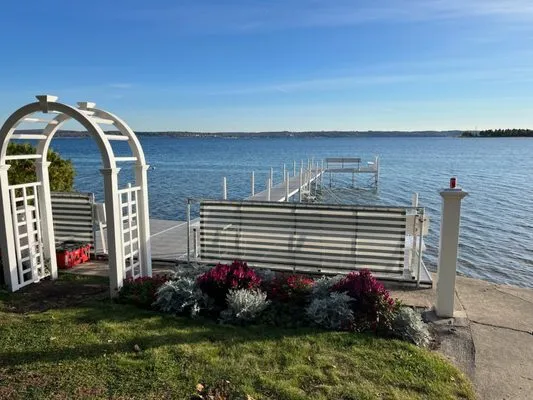
Northern Landscape, LLC is a licensed landscaping and tree service company serving the Indian River, MI community with over 11 years of local experience. We specialize in providing tailored property s...
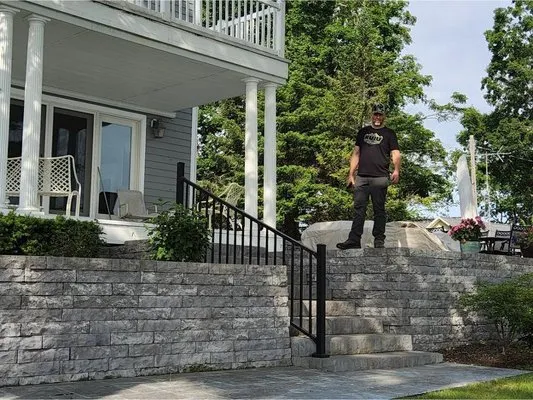
Hope Landscaping has been a trusted part of the Indian River community since 2001. We specialize in comprehensive landscaping and hardscaping solutions, from initial design and irrigation installation...
Estimated Landscaping Service Costs in Clark, MI
Question Answers
Can I maintain Kentucky Bluegrass during Stage 1 water restrictions?
Wi-Fi ET-based weather sensing controllers optimize irrigation by calculating actual evapotranspiration rates. These systems reduce water use 20-30% while preserving turf health through precise scheduling. Programming separate zones for Kentucky Bluegrass and fine fescue accommodates their different drought tolerances. This approach meets voluntary conservation goals without compromising lawn integrity.
What solves seasonal flooding in my yard?
Seasonal high water tables in sandy loam require subsurface drainage solutions. Permeable concrete pavers installed with proper base layers achieve 80-90% infiltration rates, meeting Clark City Planning & Development Department runoff standards. French drains connected to dry wells redirect excess water while maintaining soil moisture balance. These systems prevent root zone saturation that damages turf and foundation structures.
Are permeable pavers better than wood for patios?
Permeable concrete pavers offer superior longevity with 25+ year lifespans versus wood's 10-15 years with maintenance. Their non-combustible nature supports Clark's low fire-wise rating in urban-suburban interfaces. Proper installation creates defensible space while managing stormwater runoff. Unlike wood, pavers resist frost heave in Zone 6a and require no chemical treatments that could leach into soil.
Why does my Clark Center lawn struggle despite regular care?
Clark Center properties built around 1966 have 60-year-old soil systems. Slightly acidic sandy loam loses structure over decades, becoming compacted with reduced organic matter. Core aeration every 2-3 years improves permeability and introduces mycorrhizae. Adding composted organic amendments balances pH 6.4 while increasing water retention in sandy profiles.
How can I reduce maintenance while supporting pollinators?
Transitioning turf areas to native plantings like purple coneflower, butterfly milkweed, little bluestem, and wild bergamot creates low-input landscapes. These species require no fertilization, minimal watering once established, and eliminate weekly mowing. Native plantings support 2026 biodiversity standards while reducing noise ordinance conflicts from gas-powered equipment. Their deep root systems improve soil structure and carbon sequestration.
How quickly can you respond to storm damage for HOA compliance?
Emergency cleanup crews dispatch from Clark Community Park via I-75, reaching Clark Center properties in 20-30 minutes during peak conditions. This routing avoids residential congestion while meeting noise ordinance restrictions on gas-powered equipment. Debris removal prioritizes safety hazards before addressing aesthetic concerns to maintain neighborhood standards.
What permits and licenses does grading work require?
Grading on 0.25-acre lots requires Clark City Planning & Development Department permits for soil disturbance exceeding 100 square feet. Michigan LARA licensing ensures contractors understand erosion control and drainage regulations. Professional landscape architects must seal designs moving more than 50 cubic yards of material. These requirements prevent sedimentation in waterways and maintain neighborhood soil stability standards.
What invasive species threaten Clark properties and how do I treat them?
Japanese knotweed and garlic mustard present significant risks in Clark's ecosystem. Manual removal before seed set proves most effective, avoiding phosphorus application restrictions between November 15th and April 1st. Targeted glyphosate applications during active growth periods require precise timing. Regular monitoring prevents establishment while preserving native plant communities and soil microbiology.
