Top Landscaping Services in Chippewa, MI, 48858 | Compare & Call
There are 54 landscaping companies server in Chippewa MI
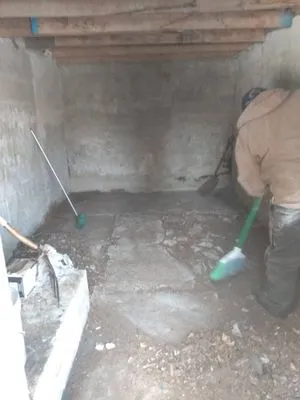
SVLC, owned and operated by Matthew Godley and his family, is a cornerstone of the Indian River community. With roots extending back to 1980 through his father's local marina, Matthew has spent nearly...
France T M Irrigation & Sprinkler Systems is a trusted Cheboygan-based landscaping business specializing in irrigation and sprinkler system solutions. We help local homeowners and businesses maintain ...

DLR Lawns is a family-owned and operated lawn care and property maintenance business serving Alanson, MI, and surrounding Emmet and Cheboygan counties. With over 16 years of local experience, owners a...
Blaine's Excavating & Landscaping is a Cheboygan-based company specializing in comprehensive landscaping solutions tailored to Northern Michigan's unique conditions. We address common local issues lik...
Blaskowski Lawn & Yard Care is a trusted, locally-owned lawn service provider serving Cheboygan, MI, and the surrounding areas. We specialize in comprehensive lawn care solutions designed to address t...
Discount Lawncare & Landscape is a trusted local lawn service provider in Cheboygan, MI, specializing in affordable and effective lawn care solutions. We understand the common challenges Cheboygan hom...
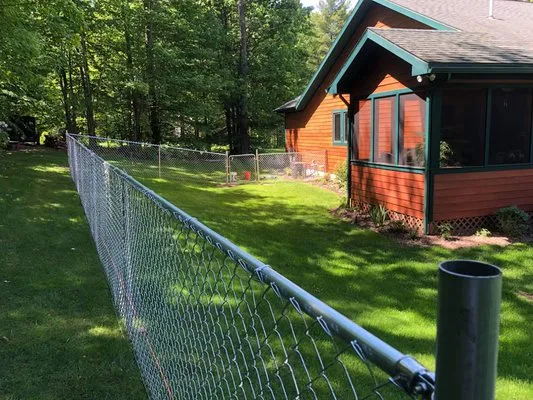
Great Lakes Services
Great Lakes Services is a trusted, full-service contractor serving Indian River, MI, specializing in fences & gates, landscaping, and pressure washing. We help homeowners address common local challeng...
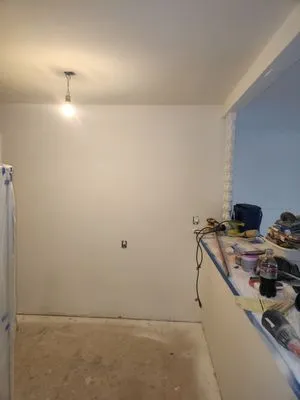
Northern Service and Repair is a family-run general contracting business founded in Afton, MI, by a husband-and-wife team committed to providing quality, affordable repairs for homes and businesses th...
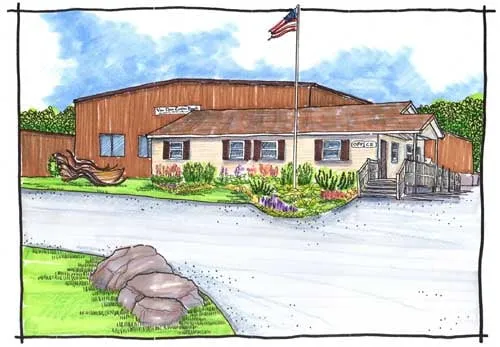
Green Room Landscape
Green Room Landscape, led by landscape architect Jessica Kenzie Spencer, LEED AP BD+C, brings nearly two decades of sustainable design expertise to Harbor Springs. Established in 2009, the firm specia...
Clarity Exterior Services is a trusted local provider in Cheboygan, MI, specializing in tree services, landscaping, and painting to enhance and protect your property. We understand the unique challeng...
Estimated Landscaping Service Costs in Chippewa, MI
Frequently Asked Questions
I'm tired of weekly mowing and gas blower noise. Is there a quieter, lower-maintenance alternative?
Absolutely. Transitioning perimeter areas from high-input Kentucky Bluegrass to a native plant community is the strategic solution. Species like Purple Coneflower, Little Bluestem, and Butterfly Milkweed are adapted to Zone 5b, require no mowing, and minimal water once established. This reduces your reliance on gas equipment ahead of tightening noise ordinances, creates a pollinator habitat, and aligns with Firewise USA principles for moderate-risk zones by using less flammable, living groundcover.
I see a fast-spreading vine taking over my flower beds. How do I stop it without harming my perennials?
This is likely an invasive species like Creeping Charlie or Bindweed. Manual removal is most selective for garden beds, ensuring you extract the entire root system. For larger infestations, a targeted, systemic herbicide applied precisely to the vine's foliage in late spring is effective. Crucially, any follow-up fertilizer must be phosphorus-free to comply with local ordinances protecting water bodies. Always treat during calm, dry periods to prevent drift onto desirable plants like your Black-eyed Susans.
Is it wasteful to water my Kentucky Bluegrass lawn when there are no official restrictions?
Even under Stage 0 water restrictions, conservation is key for long-term lawn health and utility costs. Smart Wi-Fi soil moisture sensor controllers are the optimal solution. They bypass preset schedules, irrigating only when the root zone of your turf requires it, based on real-time evapotranspiration (ET) data. This technology prevents overwatering, which exacerbates our area's seasonal high water table, while maintaining the turf's vigor deep into summer.
A storm knocked down a large limb, and my HOA gave a 48-hour notice for cleanup. How fast can you respond?
For emergency HOA compliance work, our crew can be dispatched from our base near the Chippewa Nature Center. Taking US-10 to your neighborhood allows for a peak response time of 25-35 minutes. We prioritize these calls to operate within the local noise ordinance window of 8:00 AM to 8:00 PM. Our electric-charged fleet of chippers and sweepers is prepared for immediate deployment to clear debris and mitigate any safety hazards on your 0.35-acre lot.
I want to regrade my backyard for better drainage. Do I need a permit, and what should I look for in a contractor?
Yes, significant regrading on a 0.35-acre lot typically requires a permit from the Midland County Building Department to ensure compliance with drainage and erosion control codes. You must hire a contractor licensed by the Michigan Department of Licensing and Regulatory Affairs (LARA) for this work. Verify their license covers earthwork and excavation. A licensed professional understands the legal requirements for managing soil displacement, protecting adjacent properties, and adhering to the local fertilizer ordinance near any drainage pathways.
Why does my soil seem so compacted and weak compared to the woods at the Nature Center?
Your Chippewa Woods property, built around 1986, has soil about 40 years into its managed lifecycle. The original topsoil was likely stripped and the underlying acidic sandy loam was compacted by construction. Decades of standard mowing and foot traffic have further degraded soil structure, reducing organic matter and permeability. This is why core aeration and adding composted organic matter are critical first steps to rebuild soil biology and water-holding capacity, mimicking the healthier ecosystems nearby.
Are concrete pavers a better long-term choice than a new wooden deck for my patio?
For durability and reduced maintenance, concrete pavers are superior. They offer a 30+ year lifespan with minimal upkeep, unlike wood which requires annual sealing and is susceptible to rot. In our climate, pavers installed with proper base materials and polymeric sand resist frost heave. From a safety perspective, their non-combustible nature contributes to the defensible space recommended by Firewise USA community standards for moderate-risk areas, providing a permanent, fire-resistant zone adjacent to your home.
My yard stays soggy for days after rain. What's a permanent solution that also looks good?
Seasonal saturation is common in Chippewa's sandy loam due to poor infiltration layers beneath the surface. A functional solution involves regrading to create subtle swales that direct water away from foundations. Replacing impervious surfaces with permeable concrete pavers set in polymeric sand for joint stability significantly increases infiltration. This approach manages runoff effectively and often meets the Midland County Building Department's updated standards for stormwater management on residential lots.
