Top Landscaping Services in Chikaming, MI, 49115 | Compare & Call
There are 67 landscaping companies server in Chikaming MI
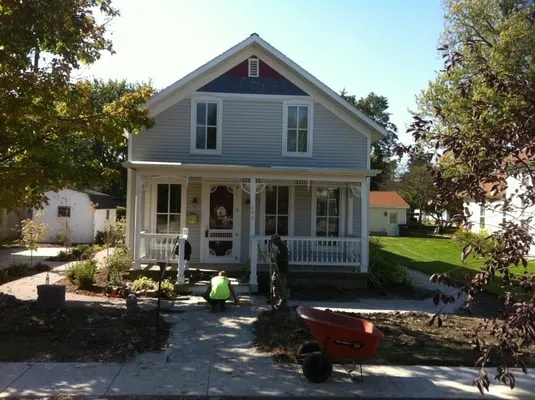
Founded by Jeff Sukich in 1991, Gemini Lawn & Landscaping has grown from a dedicated lawn maintenance service into a trusted, full-service landscaping company serving the Harbor Country community. For...
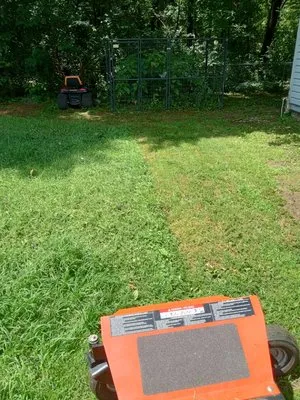
D&N Landscaping And Lawncare is a family-oriented lawn service business in Cassopolis, MI, founded in July 2023 to help local families maintain their yards affordably. We specialize in lawn care and t...
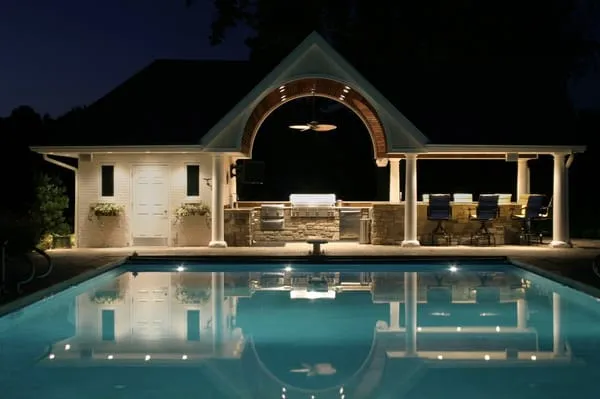
Nature's Way Landscaping
Nature's Way Landscaping is a family-owned, Stevensville-based design-build firm with deep roots in Southwest Michigan. Founded in 1976 by Gene de la Foret, the company is now led by Shawn de la Forêt...
Groundworkes is a full-service landscaping company serving Lakeside, MI, specializing in comprehensive outdoor solutions. We offer gardening, landscape design, irrigation systems, and maintenance to c...
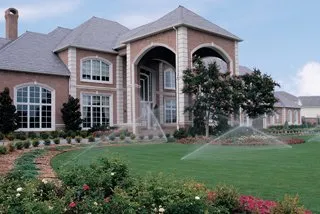
Founded in 2001 by Ross Cauffman, Advanced Irrigation began with a clear vision: to elevate irrigation standards in Niles and beyond. Ross, after years of working for others who didn't share his dedic...
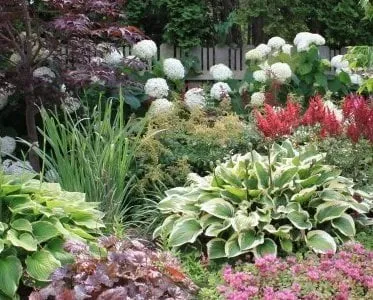
Arcadia Gardens
Arcadia Gardens is a family-owned landscape design and installation company serving Bridgman and the Southwestern Michigan lakeside area since 1990. Founded by Dot Brooks Hollerbach and now managed by...
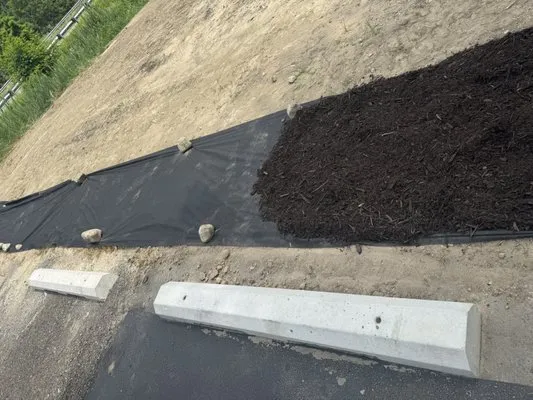
100 Acre Farm is a trusted local provider of lawn care and snow removal services in New Buffalo, MI. We understand the common challenges homeowners face, such as weed infestations and poor lawn gradin...
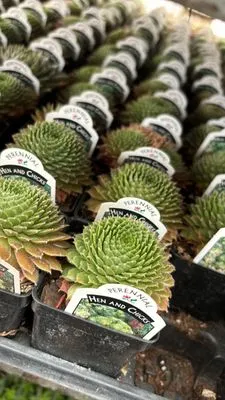
Service Landscaping is your trusted, local expert for comprehensive lawn and tree care in Berrien Center, MI. We specialize in transforming and maintaining your outdoor spaces, from routine lawn care ...

Lion Lawncare is a locally owned and operated business in Berrien Springs, MI, founded by a dedicated young entrepreneur who understands the specific needs of the community. We believe in expertise, w...
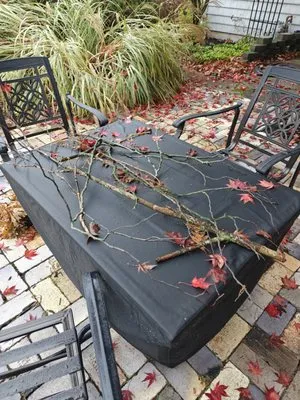
Evergreen Lawn Care & Landscaping is a family-owned Benton Harbor company with deep roots in Southwest Michigan. Founded over 25 years ago by Mike Sr. and now led by the next generation, our team comb...
Estimated Landscaping Service Costs in Chikaming, MI
Common Questions
With no water restrictions, why should I use a smart irrigation controller?
While the Great Lakes Basin provides abundant water, efficient use remains an ecological priority. Smart Wi-Fi soil moisture sensors prevent overwatering by scheduling cycles based on actual evapotranspiration (ET) and soil saturation. This technology maintains the health of a Kentucky Bluegrass and Fine Fescue mix by delivering water only when needed, preventing fungal disease and reducing nutrient leaching into the sandy soil profile.
My lawn in Harbert looks thin and struggles to hold water. Is this because of the original construction?
Lots developed in the late 1970s, like many in Chikaming, have soils that are approximately 48 years post-disturbance. Sandy Loam soils here, while naturally well-draining, are often compacted from initial grading and lack mature organic matter. A soil with a pH of 6.2-6.8 is ideal for most turf but requires consistent aeration and top-dressing with compost to build structure and water-holding capacity, counteracting the inherent high permeability.
I'm tired of weekly mowing and gas equipment noise. What's a quieter, lower-maintenance alternative?
Transitioning high-input turf areas to a community of native plants like Butterfly Milkweed, Wild Bergamot, and Little Bluestem significantly reduces maintenance. These deep-rooted perennials thrive in Zone 6a, require no fertilization, and support local biodiversity. This shift also future-proofs your property against evolving noise ordinances that increasingly restrict gas-powered blowers and mowers during standard quiet hours.
I need an emergency tree cleanup to meet HOA compliance after a storm. What's the fastest dispatch?
For a rapid response, crews stage from the Chikaming Township Park area. The primary route uses I-94 to access Harbert neighborhoods directly. During peak conditions, expect a technician arrival within the 45-60 minute window. This prioritizes clearing road hazards and securing damaged limbs to meet immediate safety and compliance standards.
Should I use wood or stone for a new patio in my wooded yard?
In Chikaming's Moderate Fire Wise rating zone, creating defensible space is advised. Crushed limestone or permeable concrete pavers offer superior longevity and fire resistance compared to wood. These inorganic materials do not combust and provide a stable, low-maintenance surface that reduces fuel loads adjacent to your home, an important consideration for properties near woodland edges.
Do I need a permit to regrade part of my 0.75-acre lot?
Yes. Any significant earthmoving that alters drainage patterns or involves more than minimal cut and fill requires review by the Chikaming Township Building Department. On a lot of this size, improper grading can impact neighboring properties. Furthermore, the contractor performing the work must hold appropriate licensing through the Michigan Department of Licensing and Regulatory Affairs (LARA) for excavation and land grading.
My yard doesn't puddle, but my foundation plantings seem dry. Is there a drainage issue?
This is a classic symptom of high permeability in Sandy Loam. Water moves through the soil profile too quickly, leaching past root zones before plants can utilize it. To manage site runoff and recharge groundwater, consider replacing impervious surfaces with permeable concrete pavers or crushed limestone. These materials meet Chikaming Township's stormwater standards by allowing infiltration, which also benefits adjacent planting beds.
I've spotted invasive Buckthorn on my property. How do I remove it safely?
Invasive species like Buckthorn and Spotted Knapweed are persistent in Michigan's Woodland-Urban Interface. Treatment must align with the Michigan NREPA (Part 85), which regulates pesticide application near water bodies. For safe removal, targeted cut-stump herbicide applications in late fall are effective, avoiding spring and summer blackout dates to protect pollinators and prevent chemical runoff into the permeable soil.
