Top Landscaping Services in Chase Township, MI, 49623 | Compare & Call

There are 39 landscaping companies server in Chase Township MI
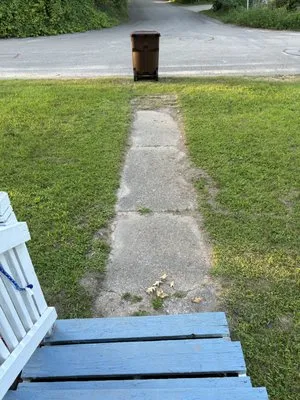
Andy's Lawncare is your trusted local expert in Newaygo, MI, providing comprehensive outdoor solutions including lawn care, tree services, and snow removal. We understand the unique challenges of Newa...
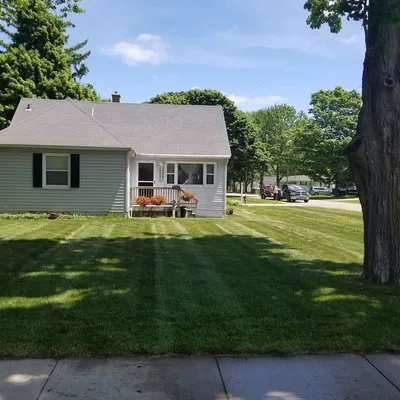
GrassMasters Landscape & Design is a family-owned lawn maintenance company serving Sparta, MI, with years of expertise in lawn care, tree services, and snow removal. Founded by Dan, who grew up workin...
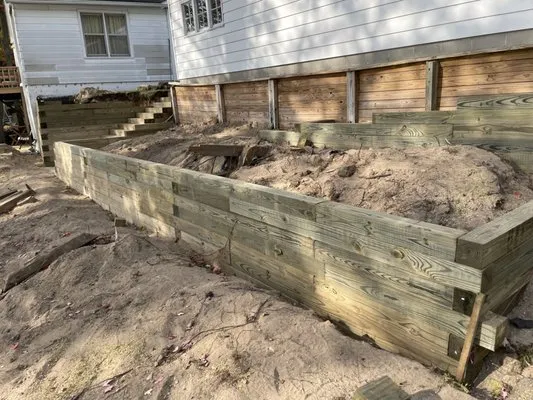
Mountains Edge is a dedicated landscape design and construction company serving Evart, MI, and the surrounding area. We specialize in transforming challenging terrain into beautiful, functional outdoo...
Peaslee Lawn Care is a trusted lawn service provider serving homeowners in Cedar Springs, MI. We understand the common local challenges, like dealing with persistent lawn moss and unexpected irrigatio...
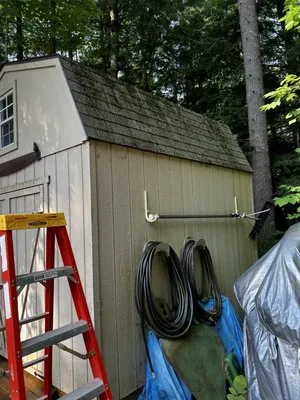
Bean Power Washing, based in Big Rapids, MI, is your local expert for lawn care and pressure washing solutions. We understand the unique challenges Big Rapids homeowners face, such as patchy lawn gras...
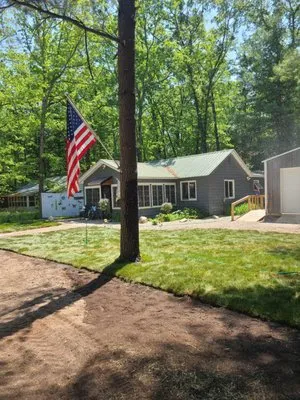
Abc Landscaping and Firewood is a family-owned and operated business based in the Wolf Lake area of Lake County, serving Baldwin and the surrounding Northern Michigan communities. We provide a compreh...
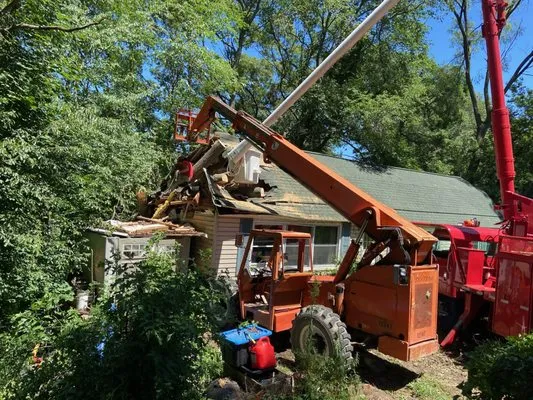
Christian Brothers Outdoor Services
Christian Brothers Outdoor Services is a Grant-based lawn and landscaping company built on a foundation of teamwork and personal connection. We believe the best results come from working directly with...

Butler Outdoors is a full-service landscaping, excavation, and tree care company proudly serving Stanwood and the surrounding areas of Mecosta County. Based in Canadian Lakes, we combine professional ...

Fuller's Fix N' Haul is a trusted local service provider in Big Rapids, Michigan, specializing in junk removal, hauling, handyman work, and lawn services. With a comprehensive range of offerings from ...
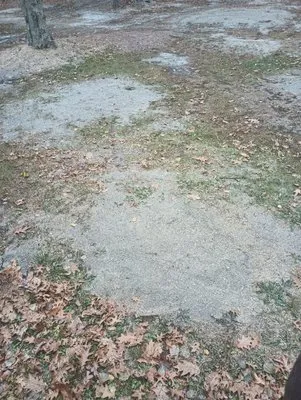
Northern Roots Stump Grinding is a dedicated Lake, MI tree and landscaping service specializing in stump, shrub, and bush removal. We approach every job with a commitment to quality and a deep underst...
Estimated Landscaping Service Costs in Chase Township, MI
FAQs
What permits and licenses are required for regrading my sloped property?
Grading projects on 1.5-acre lots in Chase Township require Lake County Building Department permits for erosion control and drainage alterations. Michigan LARA licensing ensures contractors carry proper liability coverage and understand statewide phosphorus application restrictions near water features. Professional landscape architects certified through LARA can design swales and retention systems that comply with both local ordinances and Michigan's environmental protection standards for soil disturbance on larger properties.
Will smart irrigation controllers actually save water on my 1.5-acre property?
Wi-Fi soil moisture sensors prevent overwatering by tracking evapotranspiration rates specific to Chase Township's Zone 5a climate. These controllers adjust schedules based on real-time data, maintaining Kentucky Bluegrass and Fine Fescue health while reducing consumption 30-40% versus traditional timers. During Stage 0 restrictions, this technology ensures compliance while preserving turf density through dry periods without exceeding municipal water budgets.
My yard floods seasonally despite sandy soil - what solutions work here?
High permeability in acidic sandy loam creates rapid drainage initially, but seasonal water table fluctuations cause subsurface saturation. Installing French drains with gravel beds redirects water away from foundations. Using crushed limestone or permeable concrete pavers for hardscapes meets Lake County Building Department runoff standards by allowing infiltration rather than creating impervious surfaces that exacerbate pooling issues during spring thaw cycles.
Are concrete pavers better than wood for durable outdoor living spaces?
Crushed limestone and concrete pavers offer superior longevity versus wood in Zone 5a's freeze-thaw cycles, resisting rot and insect damage. Their non-combustible nature supports Low Fire Wise ratings by creating defensible space without fuel sources. Properly installed with polymeric sand joints, these materials maintain permeability for drainage while providing stable surfaces that won't require replacement every 5-7 years like wooden decks or railroad ties.
How quickly can you respond to storm damage that violates HOA appearance standards?
Emergency cleanup crews dispatch from Chase Township Hall with equipment optimized for rapid response. Traveling US-10 during peak hours requires 45-60 minutes for arrival at residential properties. We prioritize safety assessments before debris removal, using electric chippers to comply with noise nuisance ordinances while clearing fallen branches from Kentucky Bluegrass turf areas within compliance deadlines.
How do I control invasive plants without harming my established natives?
Japanese knotweed and garlic mustard pose particular threats in Chase Township's disturbed soils. Manual removal before seed set combined with targeted spot treatments using glyphosate alternatives prevents spread. Timing applications outside Michigan's phosphorus restriction blackout periods near water bodies protects aquatic systems. Maintaining healthy Black-eyed Susan and other native colonies through proper spacing reduces invasion opportunities without violating fertilizer ordinances.
Why does my lawn have patchy areas and poor drainage despite regular care?
Chase Township Residential Core properties built around 1981 have 45-year-old soil profiles. Acidic sandy loam with pH 6.2 naturally develops compaction layers over decades, reducing percolation rates. Core aeration every 2-3 years breaks up thatch accumulation while adding composted organic matter improves water retention. Soil testing confirms whether lime amendments are needed to optimize nutrient availability for your turf mix.
What alternatives exist for reducing lawn maintenance while supporting pollinators?
Replacing high-input turf areas with native plantings like Butterfly Milkweed, Wild Bergamot, and Little Bluestem creates drought-resistant habitats. These species require no chemical inputs and support 2026 biodiversity targets while eliminating weekly mowing. Transitioning to electric maintenance equipment preempts potential gas-blower restrictions under noise ordinances, creating quieter landscapes that need only seasonal cutting rather than frequent fuel-based upkeep.
