Top Landscaping Services in Center Line, MI, 48015 | Compare & Call
There are 198 landscaping companies server in Center Line MI
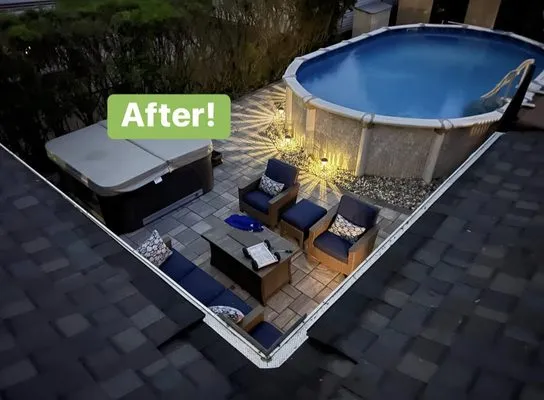
Local Oaks Landscaping Services is a Madison Heights-based company founded by four local friends who combined their landscaping expertise to create a reliable outdoor maintenance provider. With roots ...
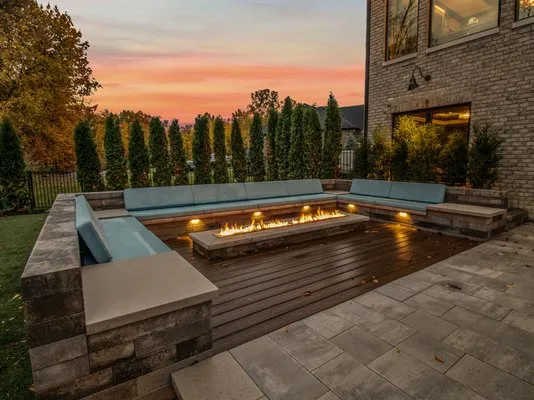
Legacy Landscape is a locally-owned landscaping and masonry company serving Macomb, MI, and surrounding areas since 2013. We specialize in creating durable and beautiful outdoor spaces for both reside...

One Guy is a Detroit-based, hands-on home maintenance and landscaping company built on local reliability. Founded in 2012 as One Guy Handy Services, the business has grown into One Guy, LLC, offering ...
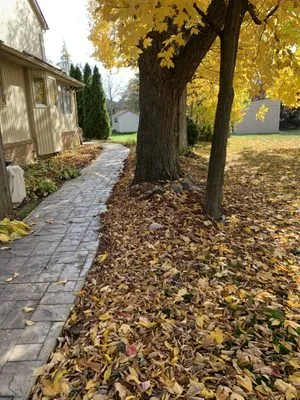
JAYS Julians Affordable Yard Services
JAYS Julians Affordable Yard Services began with a simple lawn mowing job at age 16 and grew into a full-service landscaping company serving Clinton Township and the Detroit area for over 15 years. Fo...
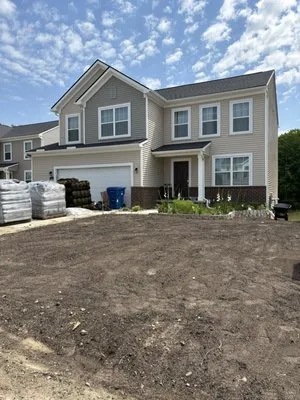
Murray Family Landscaping is a Detroit-based, husband-and-wife team that turned their passion for the outdoors into a trusted local business. Starting as a dedicated side project, they've built their ...
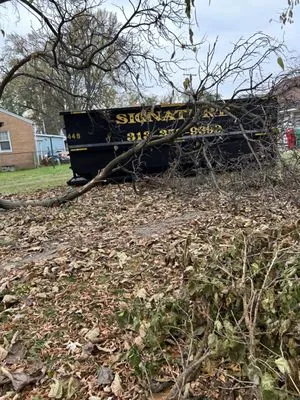
Clean Cutz Lawn Service is a family-owned and operated business in St. Clair Shores, MI, founded by a husband and wife team for their son who began learning lawn care at age 10. What started as a smal...
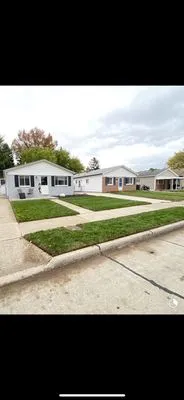
DJ Wyatt's Landscaping & Snow Removal
For over 15 years, DJ Wyatt's Landscaping & Snow Removal has been a trusted, licensed, and insured partner for homeowners in Roseville and surrounding communities. We provide a dependable, year-round ...
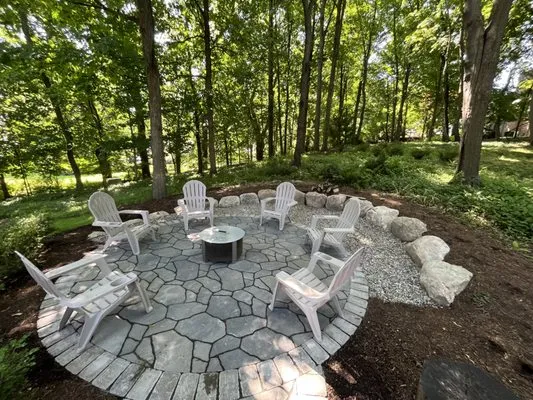
Sinacori Landscaping is a trusted local landscaping company serving Shelby Township, MI. We specialize in addressing common landscaping challenges faced by homeowners in our community, such as persist...
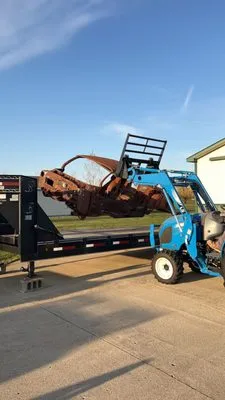
A1 Property Maintenance is a family-owned, full-service company serving Warren, MI, and the surrounding communities. As a local, owner-operated business, we specialize in demolition, junk removal, and...
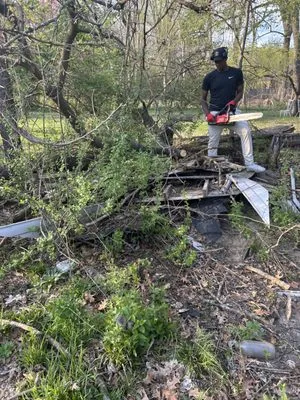
PLR Landscaping is a full-service Southfield, MI company specializing in tree services, junk removal, and comprehensive landscaping solutions. We help local homeowners and businesses maintain beautifu...
Estimated Landscaping Service Costs in Center Line, MI
Common Questions
Are concrete pavers better than wood for Center Line patios and walkways?
Concrete pavers offer superior longevity with 25-40 year lifespans versus wood's 10-15 years in Michigan's freeze-thaw cycles. Their non-combustible nature maintains Center Line's low Fire Wise rating defensible space requirements. Interlocking systems with polymeric sand joints accommodate soil movement while crushed limestone bases provide stable drainage layers that prevent heaving in clay-heavy glacial till substrates.
How quickly can you respond to an emergency tree cleanup after a storm in Center Line?
Our electric maintenance fleet can dispatch from Memorial Park within 20-30 minutes during peak storm conditions. The route utilizes I-696 for efficient access to Center Line Central District properties while complying with local noise ordinances restricting gas-powered equipment to 7 AM-9 PM hours. This rapid response capability helps prevent secondary damage and ensures HOA compliance for fallen branches or debris hazards.
How do smart irrigation systems work with Center Line's water restrictions?
Smart Wi-Fi ET-based controllers calculate evapotranspiration rates using local weather data to deliver precise water volumes. In Center Line's Stage 0 restriction environment, these systems maintain Kentucky Bluegrass and Perennial Ryegrass blends with 30-40% less water than traditional timers. The technology adjusts schedules automatically for rainfall events, preventing runoff while preserving soil moisture during Michigan's variable growing seasons from May through October.
What permits and licenses are needed for grading work on my 0.15-acre Center Line property?
The Center Line Building Department requires grading permits for any excavation altering natural drainage patterns or moving more than 10 cubic yards of material. Contractors must hold Michigan LARA landscaping licensure with proof of liability insurance for earthwork operations. On 0.15-acre lots, even minor regrading can impact neighboring properties, making certified professional oversight essential for compliance with local erosion control ordinances.
What solutions exist for chronic ponding in my Center Line yard's clay-heavy soil?
Seasonal ponding in loamy glacial till requires graded swales or French drains to redirect surface water. Permeable concrete pavers or crushed limestone installations increase infiltration rates while meeting Center Line Building Department runoff standards. For severe cases, subsurface drainage systems with clean stone aggregate and geotextile fabric can improve soil percolation by 60-80% without requiring extensive regrading permits.
Can I reduce maintenance costs by replacing turf with native plants in Center Line?
Transitioning high-maintenance turf to Purple Coneflower, Common Milkweed, Wild Bergamot, and Little Bluestem creates self-sustaining ecosystems requiring minimal intervention. These USDA Zone 6a natives thrive in existing soil conditions while providing critical pollinator habitat. The approach reduces mowing frequency and eliminates gas-blower dependency, aligning with evolving noise ordinances and 2026 biodiversity standards for urban landscapes.
Why does my 1950s-era Center Line lawn struggle with compaction and poor drainage?
Center Line Central District properties built around 1959 have 67-year-old soil profiles in loamy glacial till. This soil type naturally develops dense layers over decades, reducing permeability and creating seasonal ponding issues. Core aeration every 1-2 years is essential to break up compaction and improve oxygen exchange to root zones. Incorporating organic amendments like composted leaf mold can restore soil structure without altering the natural pH range of 6.8-7.2.
What invasive species threaten Center Line landscapes, and how are they managed?
Japanese knotweed and garlic mustard present significant establishment risks in Center Line's disturbed soils. Treatment involves targeted glyphosate applications during active growth phases, carefully timed outside Michigan's phosphorus ban blackout periods for established turf. Manual removal before seed set combined with mycorrhizae-enhanced soil restoration creates competitive conditions favoring native species without violating the Natural Resources and Environmental Protection Act.
