Top Landscaping Services in Cambridge, MI, 49230 | Compare & Call
There are 185 landscaping companies server in Cambridge MI

All Quality Services is your trusted, local handyman, landscaping, and general contracting company serving Jackson, MI, and the surrounding communities. We offer a comprehensive range of over 70 home ...

B's Lawn Jobs is your trusted local lawn and tree service provider in Onondaga, MI, dedicated to enhancing and maintaining the beauty and health of your outdoor spaces. We specialize in comprehensive ...
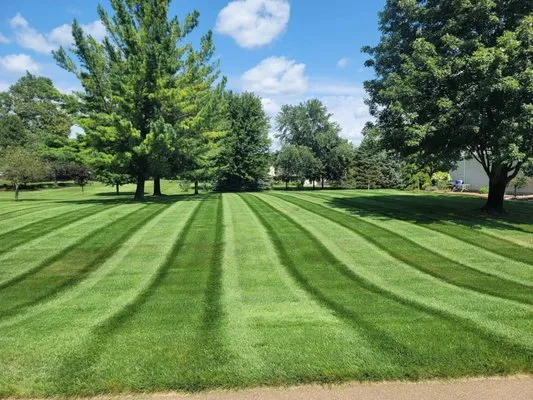
Craft Property Maintenance has been a trusted presence in Pleasant Lake since its founding in the spring of 2010. From its beginnings, the company has built a strong reputation for reliable and thorou...
Emerald Outdoor is a locally owned and operated Jackson, MI landscaping company that has been dedicated to the community since 1999. We build our reputation on professional results for both residentia...
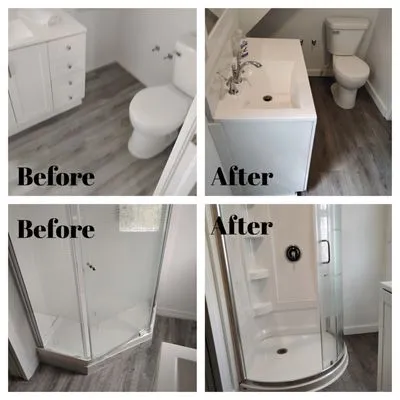
GB Cleaning and Handyman Solutions is a trusted local provider in Jackson, MI, offering comprehensive home maintenance and cleaning services. We specialize in handyman repairs, installations, drywall ...
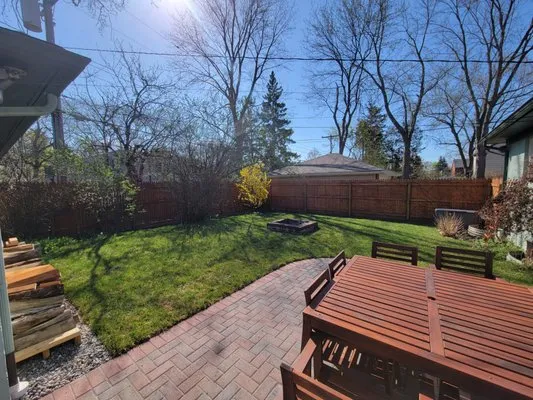
Solis Lawn Care is a locally owned and operated landscaping and snow removal company serving Ypsilanti and Washtenaw County for over a decade. Licensed and insured, we focus on delivering quality and ...
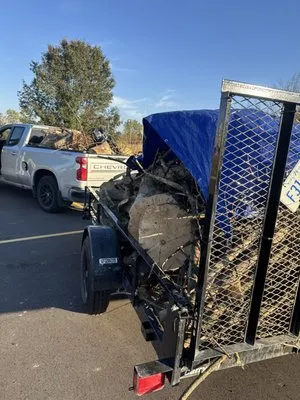
Kalen's Mowing and Yard Services is a trusted local lawn care provider in Chelsea, MI, dedicated to helping homeowners maintain healthy, beautiful outdoor spaces. We specialize in comprehensive lawn c...
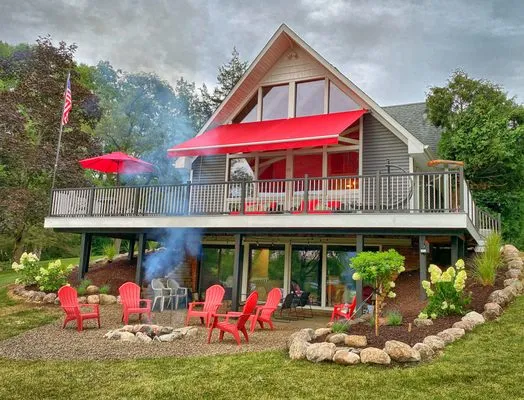
Red Axe Landscape Co. is a firefighter-owned and operated landscaping business serving Ann Arbor, MI. Specializing in comprehensive outdoor services, we bring the discipline and reliability of our fir...

SSJ Turf Titans is a locally owned and operated lawn care company dedicated to Ypsilanti. We believe a great lawn starts with understanding the specific challenges of our area, from soil composition t...
RZ Lawn and Landscape is a Ypsilanti-based lawn care service, owned and operated by a dedicated professional with over 25 years of local experience. This solo practice means you get direct, personaliz...
Estimated Landscaping Service Costs in Cambridge, MI
Question Answers
How can we keep our Kentucky Bluegrass lawn healthy during summer without wasting water or violating any restrictions?
Cambridge operates under voluntary water conservation, making efficiency paramount. Smart Wi-Fi soil-moisture sensing controllers are the standard. They schedule irrigation based on actual evapotranspiration (ET) data and root-zone moisture, not a timer. This system can reduce water use by up to 30% while maintaining the deep root systems a Bluegrass and Fescue mix requires, keeping it resilient during dry spells.
We want to regrade a portion of our half-acre lot to improve drainage. What permits and contractor credentials are required?
Significant grading on a 0.5-acre lot in Cambridge Township typically requires an earth change permit from the Lenawee County Building Department to ensure compliance with erosion control and drainage ordinances. The contractor must hold appropriate licensing through the Michigan Department of Licensing and Regulatory Affairs (LARA). This ensures they carry the required insurance and have proven competency in soil mechanics and watershed management, protecting you from liability and substandard work.
We have persistent soggy spots in our yard every spring. What's a long-term solution that also looks good?
Seasonal high water tables and poor infiltration in clay pockets are common in our glacial till. The solution combines subsurface drainage with surface design. Replacing impermeable surfaces with permeable concrete pavers or crushed limestone for patios and paths reduces runoff volume. For the Lenawee County Building Department, these materials often meet updated stormwater management standards for residential projects while solving the functional issue.
We're tired of weekly mowing and gas equipment noise. What are our options for a quieter, lower-maintenance yard?
Transitioning high-input turf areas to a native plant palette is a forward-looking strategy. Species like Purple Coneflower, Butterfly Milkweed, and Little Bluestem establish deep roots, require no fertilization once established, and need minimal watering. This reduces mowing frequency and preempts future noise ordinance pressures on gas-powered blowers and mowers, as municipal codes increasingly favor electric maintenance fleets for their lower decibel output.
A major storm brought down limbs across our driveway. How quickly can a crew respond for emergency cleanup?
For emergency storm response, our standard dispatch from the Cambridge Township Hall area via US-12 targets a 45-60 minute arrival during peak traffic. The operational window under local noise ordinance is 7:00 AM to 9:00 PM, which governs when mechanical cleanup can begin. We prioritize access and safety, clearing driveways and walkways first to restore property function before proceeding to full debris removal.
We've spotted what looks like Japanese Knotweed. How do we handle invasive species safely and legally here?
Early identification and correct treatment are key for invasives like Japanese Knotweed or Garlic Mustard. Michigan law (PA 299) prohibits phosphorus in fertilizers except for establishing new turf or repairing damaged areas, which does not apply to invasive control. Treatment typically involves targeted, systemic herbicides applied by licensed professionals during specific growth windows, followed by native replanting to prevent re-establishment, all without violating fertilizer blackout periods.
We're replacing a wooden deck. How do concrete pavers compare for longevity and safety in our area?
Concrete pavers significantly outlast wood, with a 25+ year lifespan and no risk of rot, splintering, or insect damage. For fire safety, Cambridge has a low Fire Wise rating under standard residential code, but creating defensible space remains a best practice. Pavers and crushed limestone provide a non-combustible zone adjacent to the home, a sensible upgrade over flammable wood mulches or decking materials, especially in drier summer periods.
Our yard seems dense and tired, even with regular care. Could the soil itself be the issue?
Cambridge Village homes, averaging 44 years of age since 1982, have established lawns on loamy glacial till. This soil, while fertile, becomes compacted over decades from mowing and foot traffic, reducing permeability and oxygen to roots. Core aeration every 2-3 years is critical to alleviate this compaction. Adding organic compost, not just fertilizer, rebuilds the soil structure and microbial activity that synthetic inputs cannot replace.
