Top Landscaping Services in Cambria, MI, 49242 | Compare & Call
There are 39 landscaping companies server in Cambria MI
Resendiz Farms is a Hillsdale-based excavation and landscaping company dedicated to solving common local yard issues like poor drainage and moss growth. By specializing in precise excavation and trenc...
Bill's Lawn Care in Osseo, MI, is your trusted local expert for comprehensive outdoor solutions, specializing in tree services, fences & gates, and landscaping. Serving Osseo homeowners, we understand...
All Heart Landscaping is your trusted local partner for keeping your Hillsdale property beautiful and functional. We understand the unique challenges homeowners here face, like irrigation timer failur...
B&A Lawn Care is a trusted, locally-owned lawn service provider dedicated to keeping Hillsdale properties looking their best. We understand the unique challenges homeowners face in our area, from clea...
C&S Lawn & Tree Service is a trusted, locally-owned provider dedicated to the health and beauty of Hillsdale properties. We understand that many area homes face common landscaping challenges like soil...
Watkins Fence
Watkins Fence is a trusted Pittsford contractor specializing in landscape design and installation. We understand the local challenges many homeowners face, such as uneven sprinkler coverage and standi...
Clean Lawn is a trusted lawn care provider serving Jonesville, MI, specializing in comprehensive lawn services to address common local landscaping challenges. Many homes in our area face issues like y...

Moore's Landscaping is a trusted, locally-owned landscaping company serving Reading, MI and the surrounding areas. We specialize in addressing common local lawn challenges like persistent moss growth ...
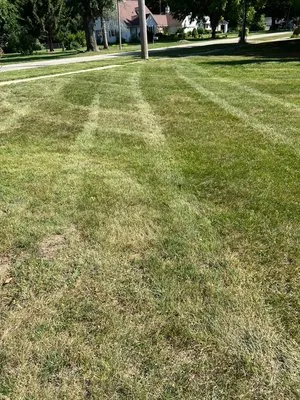
Josiah's Lawncare is a dedicated local landscaping service in Jonesville, MI, focused on keeping your property healthy and beautiful year-round. We specialize in comprehensive landscape maintenance an...
Estimated Landscaping Service Costs in Cambria, MI
FAQs
My lawn seems compacted and thin despite regular care. What's the underlying issue with our older neighborhood soil?
Lawns in Cambria Village Center, established on lots from the late 1960s, have over 55 years of soil maturity. The slightly acidic sandy loam common here has likely become depleted of organic matter and compacted from decades of use, reducing pore space for roots and water. This leads to poor infiltration and weak turf. Core aeration in early fall, followed by top-dressing with compost, is critical to rebuild soil structure and correct nutrient-holding capacity without altering the natural pH.
Are concrete pavers a better long-term choice than wood for a new patio, considering our weather and fire risk?
Yes. Concrete pavers and crushed limestone offer superior longevity and permeability compared to wood, which decays and requires chemical treatment. In Cambria's climate, pavers withstand freeze-thaw cycles without heaving if installed on a proper gravel base. For fire-wise compliance in this low-risk rural residential zone, these non-combustible materials also help create the required defensible space by replacing flammable vegetation near structures, enhancing both durability and safety.
How can I keep my Kentucky Bluegrass lawn healthy during summer without wasting water or violating any restrictions?
Smart Wi-Fi controllers paired with in-ground soil moisture sensors are the standard for conservation in Cambria. This system irrigates based on actual evapotranspiration (ET) and soil permeability, preventing overwatering. It applies water only when the root zone of your bluegrass-fescue blend requires it, typically during early morning hours to minimize evaporation. This technology maintains turf health while keeping usage well within municipal conservation guidelines, even without formal restrictions.
A major storm damaged trees on my property, and I need an emergency cleanup to meet safety standards. How quickly can a crew arrive?
For an emergency dispatch from our Cambria operations, a crew would stage at the Cambria Township Hall. Traveling north via M-99 to the Village Center allows for a peak response window of 45 to 60 minutes, accounting for post-storm traffic and debris. We prioritize these calls to secure hazards and document conditions for insurance, operating within standard daylight hours to comply with local noise ordinances.
I've spotted what looks like Japanese Knotweed. How should I handle invasive species without using banned fertilizers?
Correct identification is critical; other alerts include Garlic Mustard and Spotted Knapweed. The statewide phosphorus ban prohibits standard weed-and-feed products. For invasive perennials like knotweed, a targeted foliar application of a glyphosate-based herbicide in late summer or fall, when nutrients are moving to the roots, is the most effective chemical control. For broader ecological health, manual removal and smothering with cardboard and mulch can suppress annual invaders without violating fertilizer ordinances.
I want to reduce mowing, gas usage, and maintenance. What are my best options for replacing some lawn?
Transitioning high-input turf to a native plant community is a forward-thinking strategy. Species like Little Bluestem, Wild Bergamot, and Black-eyed Susan are adapted to Zone 5b and require no weekly mowing, fertilization, or frequent irrigation. Establishing these plantings now prepares your property for evolving noise ordinances that may restrict gas-powered blowers and mowers. This xeriscape approach significantly reduces carbon emissions and supports local biodiversity.
My yard has persistent soggy areas each spring. What's the cause, and what's a lasting solution?
This is a common issue due to Cambria's seasonal high water table and the poor infiltration rate of compacted sandy loam. Surface water cannot percolate down. A solution involves regrading to create positive drainage away from foundations and installing subsurface French drains. For patios or paths, using permeable concrete pavers or open-graded crushed limestone allows runoff to infiltrate onsite, which meets Hillsdale County Building Department standards for managing stormwater.
I want to regrade my half-acre lot to fix drainage. What permits and contractor qualifications should I verify?
Significant grading that alters water flow or involves cut/fill over 18 inches typically requires a permit from the Hillsdale County Building Department. On a 0.50-acre lot, this work must be performed by a contractor licensed by the Michigan Department of Licensing and Regulatory Affairs. Verify their license covers earthwork and excavation. Proper licensing ensures they understand soil stability, erosion control during work, and final grading slopes to meet county runoff and sedimentation standards.
