Top Landscaping Services in Caledonia Township, MI, 48817 | Compare & Call
There are 195 landscaping companies server in Caledonia Township MI
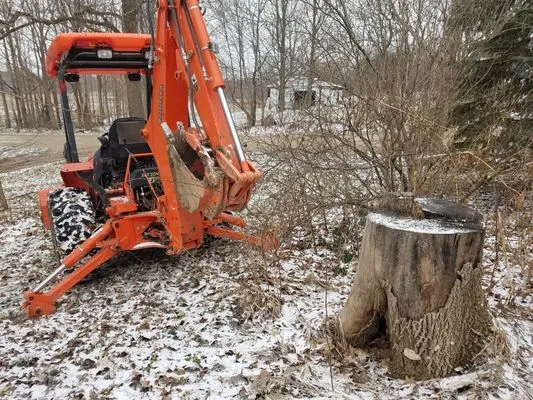
R&H Tractor Services began in 2016 with a focus on tractor work and a commitment to customer service. Founded by Ryan, who has a genuine passion for operating equipment and helping clients, the busine...
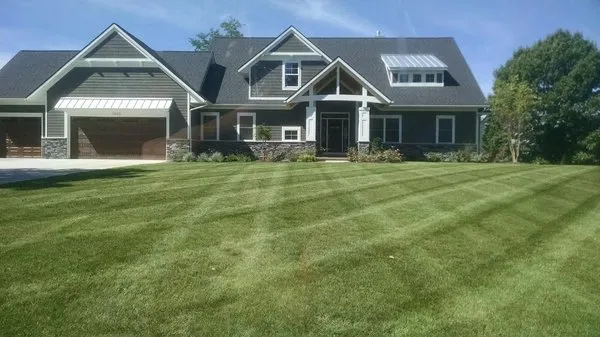
Lawn Boys Outdoor Services
Lawn Boys Outdoor Services is a locally owned and licensed landscaping company that has been serving Caledonia and the greater Grand Rapids area since 2008. We specialize in comprehensive outdoor cons...
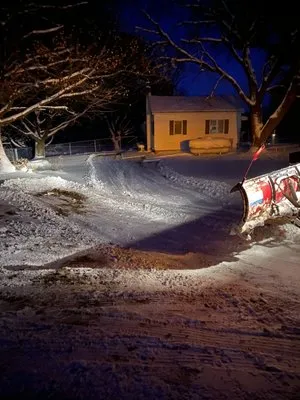
Calton's Lawn Care & Landscaping is a Kent City, MI-based business founded in 2018 by professionals with over 15 years of combined experience in the industry. We specialize in comprehensive landscapin...
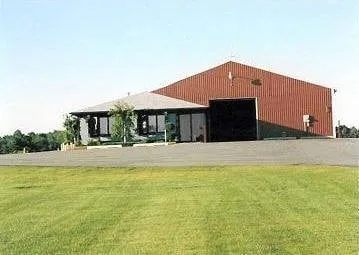
Bykerk Landscape Management is a family-owned landscaping and snow removal service that has been serving the Greater Grand Rapids Area since 1975. Based in Caledonia, MI, they provide reliable service...
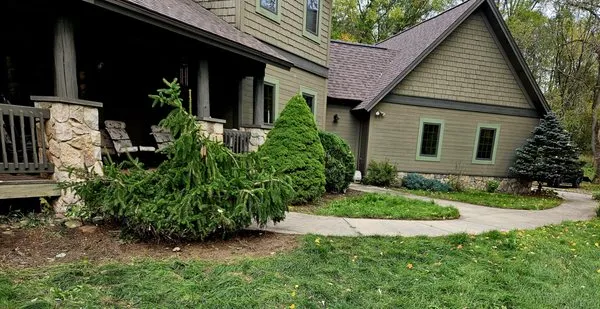
D's Landscape & Snow Removal is a Middleville-based outdoor care provider specializing in lawn services, snow removal, and pressure washing. With a focus on reliable, seasonal maintenance, we help loc...
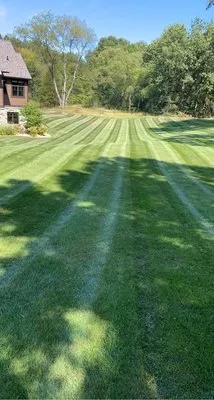
Peak Outdoor Services is a Grandville-based lawn care and snow removal company founded in 2024 to serve homeowners throughout West Michigan, including Grand Rapids and surrounding areas. We focus on p...
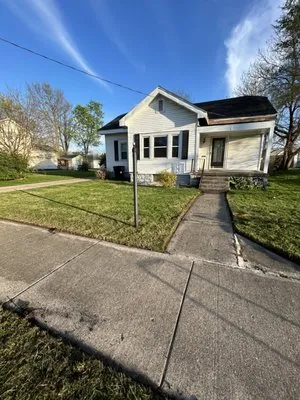
Aztec Landscaping is a Wyoming-based lawn care provider that began by helping local neighbors with fall leaf cleanup. Building on that foundation of reliable, hands-on service, the company now offers ...
Distinctive Landscape Management LLC has been serving Comstock Park, MI, and surrounding areas for over 40 years, providing comprehensive year-round landscape solutions. We specialize in landscape des...
L F Lawn Care is a trusted, full-service outdoor maintenance company serving Grand Rapids, MI. We specialize in comprehensive lawn care, reliable snow removal, and professional tree services to keep y...
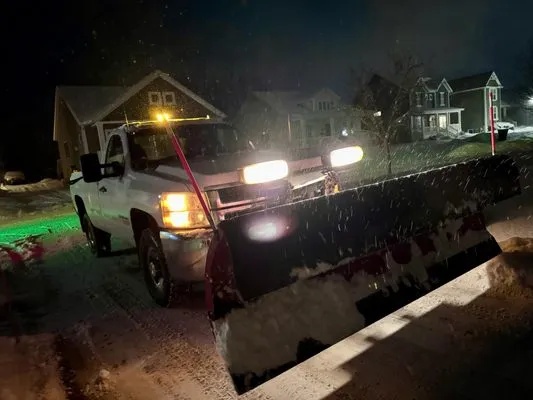
Roa Landscaping and More is your trusted, full-service partner for outdoor and home projects in West Olive, MI. As a local, family-operated business, we specialize in landscape construction, maintenan...
Estimated Landscaping Service Costs in Caledonia Township, MI
Common Questions
We need emergency storm cleanup to meet HOA compliance deadlines. What's your response protocol?
Emergency dispatch routes from Caledonia Lakeside Park via M-37 optimize travel to reach Caledonia Village within 20-30 minutes during peak conditions. Our electric maintenance fleet operates within the 8:00 PM to 7:00 AM noise ordinance restrictions. We prioritize debris removal and turf restoration to prevent secondary damage, coordinating with local utilities when necessary for downed branches near power lines.
What permits and licenses are needed for regrading our 0.45-acre lot?
Grading projects exceeding 100 cubic yards of soil movement require a permit from the Caledonia Township Planning and Zoning Department. Contractors must hold appropriate licensing through Michigan LARA, including proof of liability insurance. Professional landscape architects should design drainage patterns that account for the property's topography and adjacent lots. On 0.45-acre parcels, even minor elevation changes can affect watershed patterns, making certified professional oversight essential for regulatory compliance and neighbor relations.
Our yard has standing water after heavy rains. What solutions work with Caledonia Township's sandy loam soil?
Seasonal high water tables in sandy loam require graded swales or French drains to redirect moderate runoff. Permeable concrete pavers or crushed granite hardscapes increase infiltration rates by 40-60% compared to solid surfaces. The Caledonia Township Planning and Zoning Department requires drainage plans that demonstrate no net increase in runoff. We design systems with 1% minimum slope toward designated drainage corridors to meet these standards.
We want to reduce mowing and gas equipment noise. What native alternatives work here?
Replacing high-maintenance turf with Butterfly Milkweed, Wild Bergamot, Little Bluestem, and Black-eyed Susan creates resilient habitat that requires minimal intervention. These Michigan natives thrive in USDA Zone 6a with only seasonal trimming, eliminating weekly mowing from May through September. Electric maintenance equipment now meets most noise ordinance requirements while providing equivalent performance. This transition also supports 2026 biodiversity targets by providing pollen and nectar sources throughout the growing season.
We've spotted invasive Japanese knotweed. How do we treat it without harming our soil?
Japanese knotweed requires targeted glyphosate applications during active growth phases, carefully timed outside of phosphorus-free fertilizer blackout periods. Manual removal must include complete rhizome extraction to prevent regrowth. We implement soil testing after treatment to monitor pH stability in your 6.2-6.8 range. All treatments comply with Michigan's Natural Resources and Environmental Protection Act requirements while preserving beneficial mycorrhizae networks in the soil profile.
Our lawn seems compacted and drains poorly. Is this typical for Caledonia Village properties?
Caledonia Village lots built around 1996 have approximately 30 years of soil development. Sandy loam soils in this area naturally compact over time due to foot traffic and equipment weight, reducing permeability. Core aeration every 2-3 years is essential to improve oxygen exchange and water infiltration. Incorporating 1/4-inch of compost annually builds organic matter, which enhances soil structure and supports microbial activity in this pH 6.2-6.8 environment.
Should we use concrete pavers or wood for our new patio considering fire safety?
Concrete pavers provide superior longevity with 25+ year lifespans versus wood's 10-15 years in Michigan's freeze-thaw cycles. For moderate Fire Wise zones, pavers create defensible space without combustible materials within 30 feet of structures. Crushed granite offers additional permeability benefits for drainage management. Both materials maintain structural integrity without the seasonal maintenance wood requires, and their non-combustible nature provides ongoing compliance with advisory fire safety recommendations.
How can we maintain Kentucky Bluegrass and Fine Fescue during dry periods without violating water conservation guidelines?
Smart Wi-Fi soil moisture sensors prevent overwatering by measuring actual soil conditions rather than operating on fixed schedules. These controllers adjust irrigation based on evapotranspiration rates, typically reducing water use by 20-30% compared to traditional timers. During voluntary conservation periods, we recommend deep, infrequent watering cycles that encourage deeper root growth. This approach maintains turf health while staying well within municipal water allocation limits.
