Top Landscaping Services in Butler Township, MI, 49082 | Compare & Call
There are 114 landscaping companies server in Butler Township MI
Mike's Pressure Washing in Galesburg, MI, is a local landscaping and pressure washing business dedicated to enhancing and maintaining outdoor spaces. While starting with pressure washing, the company ...
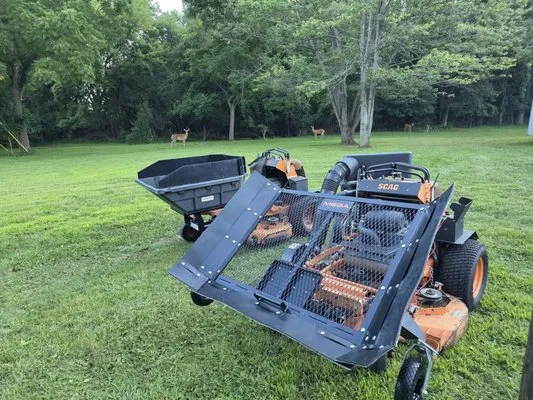
Based in Battle Creek, Parsons Pro Service is a trusted local provider focused on delivering reliable and professional home and garden care. Known for being friendly and easy to work with, the team of...

Battle Creek Landscape Service
Since 1986, Battle Creek Landscape Service has grown from a single truck into a trusted, full-service outdoor maintenance partner for southwest Michigan. We build lasting relationships with our commun...

Brandon Smith Landscaping & Lawn Maintenance provides comprehensive lawn and tree care for homeowners throughout Battle Creek, MI. We focus on reliable, detail-oriented service, from routine lawn mowi...
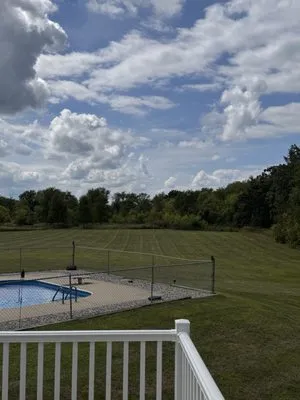
S&J Quality Works was founded right here in Richland, MI, on the simple principle of honest, hard-working service. Owner Jason grew up around construction and landscaping, learning the importance of s...

Asher’s Yard Service provides reliable lawn care for Battle Creek homeowners. We understand that finding time for yard work can be a challenge. By handling your weekly or bi-weekly mowing, we free up ...
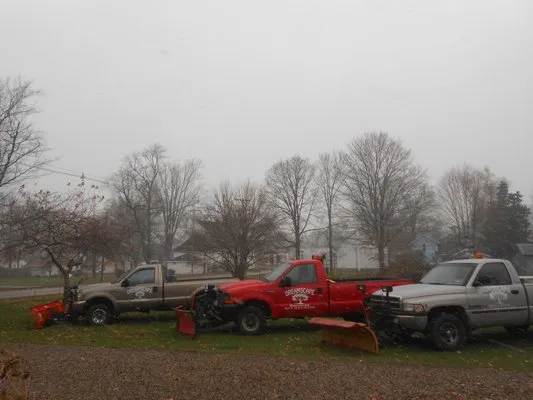
Dreamscape is a locally owned, year-round landscaping company serving Sherwood, MI, with comprehensive services for every season. We handle everything from landscape installation, including concrete f...
Premium Lawn & Landscape LLC is a dedicated, locally owned landscaping company serving the Battle Creek community. Our passion lies in transforming outdoor spaces by blending nature's inherent beauty ...
D&C All Season Lawn Care is a Homer-based landscaping business built by two local young men dedicated to providing reliable, year-round service. We focus on delivering quality lawn care, landscape mai...

J&A's Property Services is your trusted, local solution for maintaining and improving your Quincy, MI home. We offer a comprehensive range of services, including expert lawn care, professional handyma...
Estimated Landscaping Service Costs in Butler Township, MI
Q&A
Are concrete pavers better than wood for patio longevity?
Concrete pavers maintain structural integrity for 25+ years versus wood's 8-12 year lifespan in Michigan's freeze-thaw cycles. Their non-combustible nature supports Low Fire Wise ratings by creating defensible space around structures. Polymeric sand joints prevent weed growth while allowing thermal expansion. Proper base preparation with 6 inches of compacted aggregate prevents heaving, a common issue with Butler Township's high water table that compromises wood foundations through rot.
How quickly can you respond to storm damage for HOA compliance?
Emergency cleanup crews dispatch from Butler Township Hall with electric equipment to comply with noise ordinances. The route via I-69 to Butler Township Center requires 45-60 minutes during peak traffic, though electric vehicles reduce refueling stops. We prioritize safety assessments of downed limbs over aesthetic concerns, documenting conditions for insurance before beginning debris removal. This approach meets most HOA 72-hour cleanup requirements while maintaining neighborhood safety standards.
How can I reduce maintenance while supporting pollinators?
Replacing 30% of Kentucky Bluegrass with Common Milkweed, Wild Bergamot, and Little Bluestem creates habitat corridors that require no mowing or blowing. Electric maintenance fleets operate within 8:00 PM-7:00 AM noise ordinances without gas emissions. Black-eyed Susan plantings need only annual cutting back, eliminating weekly mowing cycles from May-September. This xeriscaping approach reduces water use by 60% while providing continuous bloom sequences for native pollinators.
What permits and licenses are needed for grading my property?
Grading 1.5 acres in Butler Township requires an earth change permit from the Branch County Building Department for disturbances over 1 acre. Contractors must hold Michigan LARA landscaping license #640 for projects exceeding $600, with additional certification for erosion control installation. Engineered drainage plans become mandatory when modifying water flow patterns near property boundaries. These regulations prevent downstream sedimentation while ensuring proper compaction to 95% Proctor density for structural stability.
What invasive species threaten my landscape and how do I control them?
Garlic mustard and Japanese knotweed present the highest invasion risk in Butler Township, outcompeting natives within 2-3 growing seasons. Manual removal before seed set in early May avoids phosphorus application limits under statewide ordinances. Targeted glyphosate applications during dormancy prevent soil contamination when used at 2% solutions. Regular monitoring prevents establishment while preserving soil mycorrhizae networks that support Black-eyed Susan and other natives.
Can I maintain Kentucky Bluegrass while conserving water?
Stage 0 water restrictions allow irrigation but soil moisture sensor-based drip systems optimize usage. These systems apply 0.6 inches weekly directly to root zones, reducing evaporation loss by 40% compared to sprinklers. Fine Fescue blends require only 0.3 inches, allowing zone-specific programming. ET-based controllers adjust for actual evapotranspiration rates, keeping turf health within municipal water allocation limits of 1.5 acre-feet annually for 1.5 acre properties.
What solves standing water in my yard after rains?
Seasonal high water tables in Butler Township's Mollisols require French drains or dry wells to manage poor infiltration. Permeable concrete pavers with 0.25-inch joint spacing allow 5-7 inches per hour infiltration, meeting Branch County Building Department runoff standards. Grade adjustments of 2% slope direct water away from foundations while rain gardens with native plants provide biological drainage. These systems prevent soil saturation that damages turf root systems in low-lying areas.
Why does my lawn have compacted soil that resists water absorption?
Butler Township Center properties built around 1981 have 45-year-old soil profiles where Mollisols have become dense from decades of foot traffic and equipment weight. Loamy soils with pH 6.5-7.2 naturally develop surface crusting that reduces permeability to 0.5 inches per hour. Core aeration every 2-3 years introduces oxygen channels while compost topdressing adds organic matter to restore soil structure. This addresses the seasonal high water table by improving infiltration rates before spring rains.
