Top Landscaping Services in Bruce, MI, 48065 | Compare & Call
There are 199 landscaping companies server in Bruce MI
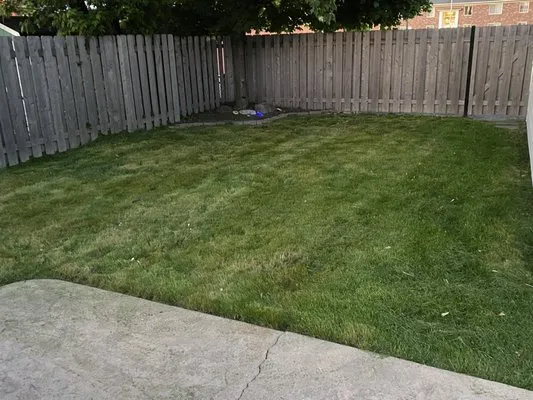
McCormick Services is a trusted, locally-owned provider in St. Clair Shores, MI, dedicated to solving common neighborhood landscaping challenges. We understand that local homeowners frequently struggl...
D's Painting and Landscaping is a trusted, full-service company serving homeowners throughout Columbus, MI. We specialize in both interior and exterior painting—including trim, staining, and wallpaper...
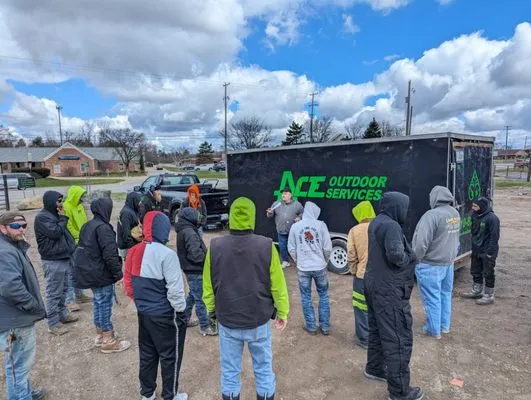
Ace Outdoor Services is a Flint, MI-based, licensed and insured provider specializing in comprehensive outdoor care for residential and commercial properties across Genesee, Oakland, Livingston, Shiaw...
Blue Star Land Development
Blue Star Land Development is a fully insured excavation and landscaping contractor based in Columbiaville, MI, dedicated to serving residential and light commercial clients throughout the local area....
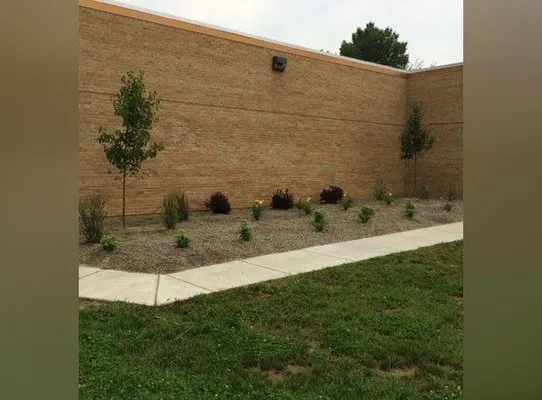
Elite Lawn & Landscape is an independently owned and operated, full-service provider proudly serving Flushing, MI, and surrounding communities. With nearly two decades of experience, our licensed and ...
LawnCareBros is your trusted local lawn and tree service provider in the Village of Clarkston, MI. We specialize in diagnosing and fixing the common landscaping challenges faced by homeowners in our c...
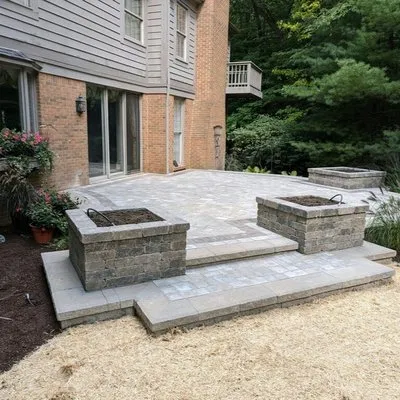
OBRY Brick and Landscape
OBRY Brick and Landscape is a locally owned and operated landscape construction company serving Armada, MI, and surrounding areas since 1997. Founded by Chris Obry, a Michigan State University graduat...
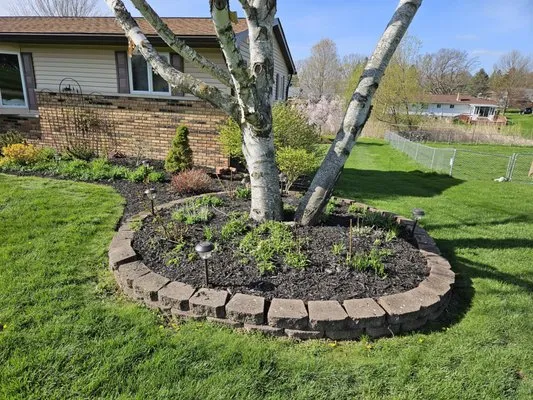
Hartwell's Landscaping is a full-service landscaping company serving Lapeer, MI, and the surrounding area. We specialize in creating and maintaining beautiful, healthy, and functional outdoor spaces. ...
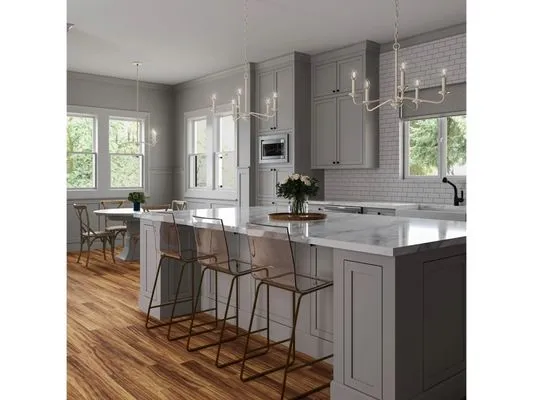
All Around Properties was founded to solve a common frustration for Shelby Township property owners: the hassle of coordinating multiple contractors for a single project. After years in landscaping, t...
JT's Landscape Maintenance
For over two decades, my passion for gardening has been the root of everything at JT's Landscape Maintenance. What began as a service for friends and family in Waterford Township has grown into a full...
Estimated Landscaping Service Costs in Bruce, MI
Q&A
We need emergency storm cleanup to meet HOA compliance deadlines after severe weather. How quickly can crews reach our property?
Emergency response teams dispatch from Bruce Township Hall via M-53 (Van Dyke Avenue) with 45-60 minute arrival during peak conditions. This routing accounts for rural-residential road networks and potential debris obstruction. Crews prioritize safety assessments before implementing cleanup protocols that meet township vegetation management standards. Equipment staging follows noise ordinance windows between 8:00 AM and 8:00 PM for gas-powered operations.
We're considering patio materials that withstand Michigan winters while supporting fire safety. How do concrete pavers compare to wood options?
Concrete pavers with crushed limestone bases provide 30+ year durability through freeze-thaw cycles, unlike wood's 10-15 year lifespan with rot potential. The non-combustible material creates defensible space meeting Moderate Fire Wise ratings for rural-urban interface zones. Proper installation includes 4-inch compacted aggregate bases with polymeric sand joints that resist weed invasion. These hardscapes maintain permeability while supporting emergency access requirements in high-risk areas.
Our Bruce Township property has been struggling with compacted soil that doesn't drain well. What's causing this in our neighborhood?
Bruce Township's 1973 average construction date means soil has matured for 53 years, developing significant compaction layers. Loam to sandy loam soils in rural-residential areas like yours naturally settle over decades, reducing permeability to 0.5 inches per hour or less. Core aeration with organic amendments like composted leaf mold addresses this compaction by creating channels for water and air movement while adding microbial diversity. Soil testing every 3-5 years monitors pH stability in the 6.5-7.2 range common here.
How can we maintain Kentucky Bluegrass and Fine Fescue turf during Stage 1 water restrictions without stressing the lawn?
Smart Wi-Fi soil moisture sensor controllers optimize irrigation by tracking evapotranspiration rates and soil moisture at 4-6 inch depths. These systems apply 0.75-1.0 inches weekly during peak demand, aligning with voluntary conservation guidelines. Programming follows turfgrass root zone requirements while preventing runoff into clay pockets. Municipal water limits are maintained through cycle-soak scheduling that matches soil infiltration rates.
What invasive species threaten Bruce Township landscapes, and how do we treat them without violating fertilizer regulations?
Garlic mustard and Japanese knotweed present primary invasion risks in Zone 6a, outcompeting natives through allelopathic chemicals. Treatment involves mechanical removal before seed set in early May, followed by targeted glyphosate applications to cut stems during fall dormancy. These methods avoid phosphorus-containing products, complying with Michigan's statewide ban on established turf. Soil health is maintained through mycorrhizae inoculants rather than synthetic fertilizers during blackout periods.
Our property experiences seasonal water table issues with poor infiltration in clay pockets. What drainage solutions work with Bruce Township's regulations?
Seasonal high water tables in loam soils require French drains or dry wells positioned 18-24 inches below grade to intercept subsurface flow. Permeable concrete pavers with crushed limestone bases create infiltration rates exceeding 10 inches per hour, meeting township runoff standards. Grading plans submitted to the Bruce Township Building Department must demonstrate 2% minimum slope away from structures. These systems address clay pocket saturation while maintaining soil structure integrity.
We want to reduce maintenance while preparing for future noise ordinance changes. What native plant options provide ecological benefits?
Transitioning turf to Common Milkweed, Wild Bergamot, Little Bluestem, and Black-eyed Susan creates pollinator habitat while eliminating weekly mowing. These natives establish deep root systems exceeding 36 inches, accessing subsurface moisture and reducing irrigation needs by 70-80%. The planting scheme supports 2026 biodiversity standards and prepares for potential electric equipment mandates. Native communities require only seasonal maintenance, aligning with gas-blower restriction timelines.
What licensing and permits are required for grading work on our 1.5-acre Bruce Township property?
Grading exceeding 100 cubic yards requires engineered plans stamped by a Michigan-licensed professional, submitted to the Bruce Township Building Department. Contractors must hold LARA landscaping licensure with proof of liability insurance exceeding $500,000. The permit process evaluates erosion control measures and drainage patterns affecting neighboring properties. Professional licensing ensures compliance with state soil disturbance regulations and township grading ordinances for parcels over one acre.
