Top Landscaping Services in Boston, MI, 48815 | Compare & Call
There are 161 landscaping companies server in Boston MI
For over a decade, Cook and Sons Lawn Care has been a trusted, family-run business serving the Ionia, MI community. We understand the unique challenges local homeowners face, from persistent yard drai...
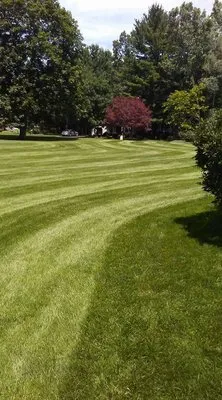
Exceed Lawn Care is a trusted, locally-owned lawn service provider in Clarksville, MI, dedicated to creating and maintaining healthy, vibrant lawns for the community. We understand the common local ch...
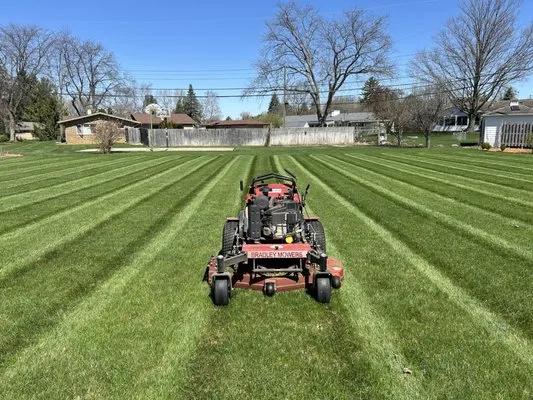
Sutter Brothers Lawn Care provides reliable, year-round landscaping services for homeowners in Clarksville, MI. We handle the essentials of lawn care, including thorough mowing with trimming, edging, ...

Helpin' Handyman is your trusted, full-service solution for home repairs and improvements in Potterville, MI. We specialize in professional drywall installation, repair, texturing, and patching, ensur...
Dickinson Lawns & More is a family-owned lawn care service dedicated to Nashville, MI, and its neighboring communities. For over five years, we've built our reputation on reliable, thorough work, from...
Brouwer Tree is a Grand Rapids, MI-based company specializing in comprehensive tree and lawn care services for both residential and commercial clients. With a focus on the local community, we provide ...

Slabby's Services is a family-owned and operated business in Grand Rapids, MI, dedicated to helping residents maintain their properties with reliable, comprehensive solutions. We specialize in lawn ca...
Scenic Expressions
Scenic Expressions LLC is a full-service landscaping, lawn care, and snow removal company based in Lowell, Michigan, serving the entire West Michigan region. We specialize in comprehensive landscape c...
Royal Lawn Care is a dedicated landscaping company serving the Lowell, MI community. We specialize in diagnosing and correcting common local lawn issues, particularly sprinkler coverage gaps and poor ...
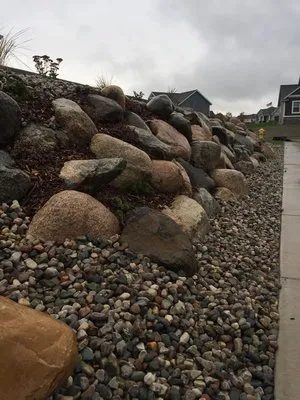
Meadow Valley Lawncare and Landscape
Founded in 2011 in Saranac, Meadow Valley Lawncare & Landscape began with a single truck and a commitment to quality lawncare and mulch installation. Our passion for the work fueled steady growth, lea...
Estimated Landscaping Service Costs in Boston, MI
Questions and Answers
We've spotted what looks like Japanese Knotweed. How should we handle it?
Japanese Knotweed is a high-priority invasive requiring immediate action to prevent spread. Treatment involves a targeted herbicide application, which must be performed by a licensed professional to comply with the Michigan Natural Resources and Environmental Protection Act (Part 85). Timing is critical to avoid blackout dates designed to protect pollinators, and all treatments must follow integrated pest management principles to minimize environmental impact.
We have an emergency tree limb down after a storm and need a rapid response.
An emergency cleanup crew can be dispatched from the Boston Township Hall area, taking M-21 for the most direct route to your neighborhood. With traffic patterns accounted for, arrival typically occurs within the 20-30 minute peak local response window. Crews operate under Michigan's noise ordinance, meaning all major equipment use will be scheduled within the allowed 7:00 AM to 8:00 PM window.
What should we verify before hiring a contractor to regrade our yard?
Any significant grading on a 0.35-acre lot in Ionia County likely requires a permit from the Boston Township permit office to ensure proper drainage and compliance with local codes. Crucially, verify the contractor holds the appropriate licensing through the Michigan Department of Licensing and Regulatory Affairs (LARA). This ensures they are bonded, insured, and qualified to perform earthwork that could affect your property's foundation and stormwater management.
We have persistent soggy spots in our yard every spring. What's the solution?
Seasonal high water tables and pockets of clay within the sandy loam create poor infiltration zones. Correcting this requires a dual approach: installing subsurface French drains to intercept and redirect water, and amending soil with compost to increase permeability. For new hardscapes, using permeable concrete pavers or open-jointed natural fieldstone can help meet Ionia County's stormwater runoff standards by allowing water to percolate into the ground.
Our yard seems to struggle no matter what we plant. Could our soil be the problem?
Boston Village properties, averaging 44 years of development, have soil that is likely compacted from original construction and decades of traffic. The predominant loamy sand and sandy loam offers good drainage but suffers from low organic matter, a condition that worsens with age. Annual core aeration and the addition of compost are critical to improve soil structure, water retention, and nutrient availability for any turf or planting.
We're considering a new patio. Are concrete pavers a better long-term choice than wood?
Concrete pavers or natural fieldstone offer superior longevity and lower lifetime maintenance compared to wood, which decays and requires sealing. In Boston's USDA Zone 6a climate, these materials withstand freeze-thaw cycles without heaving if installed with a proper base. They also contribute to a defensible space as defined by the local Fire Wise rating, as they are non-combustible, unlike wooden decks.
Is there a lower-maintenance alternative to our traditional lawn that still looks intentional?
Replacing high-input turf with a matrix of native plants like Little Bluestem, Butterfly Weed, and Wild Bergamot creates a resilient, biodiverse landscape. This xeriscaping approach drastically reduces mowing, fertilizing, and watering needs. It also future-proofs your property against evolving noise ordinances that restrict gas-powered blowers, as these plantings require minimal seasonal cleanup compared to traditional turf.
How can we keep our Kentucky Bluegrass lawn healthy without wasting water?
Smart Wi-Fi controllers paired with in-ground soil moisture sensors are the standard for efficient irrigation in Boston. These systems apply water based on actual evapotranspiration (ET) rates and root-zone dryness, not a fixed schedule. This precise approach prevents overwatering, conserves the municipal supply under voluntary conservation guidelines, and maintains the deep root system necessary for a healthy turfgrass mix.
