Top Landscaping Services in Blissfield, MI, 49228 | Compare & Call


Pasternak Tree & Landscape is a trusted, locally-owned tree and landscaping company serving Blissfield, MI, and the surrounding areas. With expertise in both tree care and landscape maintenance, we he...
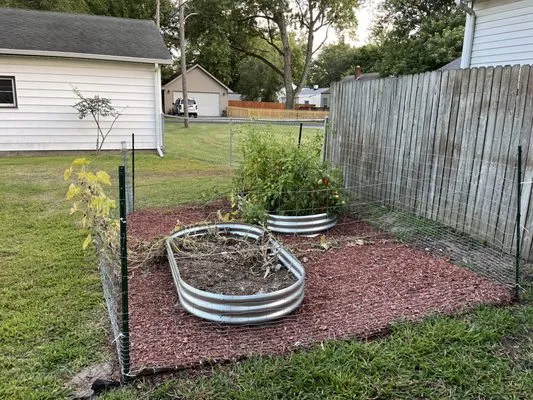
EB Landscaping is your trusted local partner for creating and maintaining beautiful, resilient outdoor spaces in Blissfield and the surrounding Lenawee County area. We specialize in comprehensive desi...
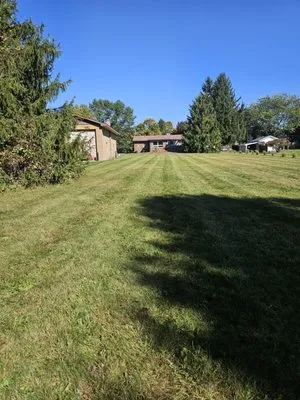
Deaton’s Landscaping is a trusted, full-service partner for Blissfield homeowners looking to maintain and enhance their property throughout the year. We provide reliable lawn care to keep your grass h...
Katys Good Ideas is a trusted lawn care provider serving the Blissfield, MI community. Specializing in lawn care, we help homeowners address common local landscaping challenges like dead lawn patches ...
Trusted Timber Tree & Lawn Service is your local, family-operated partner for maintaining a healthy and beautiful landscape in Blissfield, MI. We understand the common challenges homeowners face, such...
C & R Lawn Service & Snow Plowing is a trusted, locally-owned business serving Blissfield, MI, and surrounding areas. We specialize in comprehensive lawn care and reliable snow removal to keep your pr...
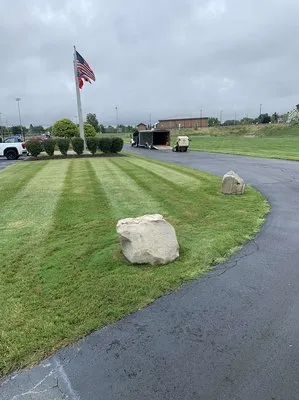
Based in Blissfield, MI, DJ's General Labor is your local expert for dependable lawn care and property maintenance. We understand the specific challenges homeowners in our area face, such as persisten...
Deaton's Lawncare is a trusted local lawn service provider in Blissfield, MI, dedicated to maintaining and enhancing residential and commercial lawns. We specialize in comprehensive lawn care solution...
Question Answers
Can I maintain Kentucky Bluegrass and Fine Fescue turf with voluntary water conservation?
Wi-Fi soil-moisture sensing irrigation systems preserve turf quality while reducing municipal water consumption by 30-40%. These systems calculate evapotranspiration rates specific to Blissfield's Zone 6a climate, applying water only when soil moisture drops below optimal levels. Programming accounts for Blissfield Loam's water-holding capacity and adjusts runtime to prevent runoff. Voluntary conservation standards are easily maintained through this precision approach.
What solutions address seasonal high water tables in Blissfield Loam soil?
Seasonal high water tables in Blissfield Loam require subsurface French drains paired with permeable hardscapes. Crushed limestone bases under concrete pavers create infiltration zones that meet Blissfield Village Planning and Zoning Department runoff standards. Grading should direct surface flow toward rain gardens planted with moisture-tolerant natives. These systems work synergistically to manage pore water pressure during spring saturation periods.
Are concrete pavers better than wood for Blissfield's climate and fire safety?
Concrete pavers outperform wood in longevity, with 40+ year lifespans versus wood's 15-year replacement cycle in Michigan's freeze-thaw conditions. Their non-combustible nature supports Low Fire Wise ratings by creating defensible space without fuel accumulation. Interlocking designs accommodate frost heave in Blissfield Loam better than rigid concrete slabs. Permeable installations reduce heat island effect while meeting drainage requirements.
What permits and licenses are needed for grading my 0.25-acre Downtown Blissfield lot?
Grading projects exceeding 100 cubic yards of soil movement require Blissfield Village Planning and Zoning Department permits for erosion control compliance. Contractors must hold Michigan LARA landscaping licensure with proof of liability insurance. The 0.25-acre scale triggers review for stormwater management plans under the Michigan Fertilizer Application Act. Unlicensed grading risks fines up to $10,000 and mandatory restoration orders.
How can I reduce maintenance while preparing for electric equipment mandates?
Transitioning turf areas to Purple Coneflower, Butterfly Milkweed, Little Bluestem, and Wild Bergamot reduces mowing frequency from weekly to seasonal. These deep-rooted natives require no fertilization and support 2026 biodiversity standards. Electric maintenance fleets operate quietly within 10 PM to 7 AM noise ordinance restrictions. The conversion decreases fuel consumption while increasing pollinator habitat connectivity across Downtown Blissfield.
What invasive species threaten Blissfield landscapes and how are they controlled?
Japanese knotweed and garlic mustard present the highest invasive risk in Zone 6a, exploiting disturbed soil in older neighborhoods. Treatment involves targeted glyphosate applications during active growth phases, avoiding Michigan Fertilizer Application Act blackout dates when ground is frozen. Manual removal precedes chemical treatment to minimize herbicide volume. Monitoring programs should continue for three growing seasons to address seed bank persistence.
How quickly can you respond to storm damage for HOA compliance in Downtown Blissfield?
Emergency cleanup crews dispatch from Bachmayer Park via US-223, maintaining 20-30 minute response times during peak storm conditions. This routing prioritizes arterial access while avoiding residential bottlenecks. Crews carry electric chainsaws and compact loaders that operate within standard noise ordinance hours. Documentation includes timestamped arrival photos and debris volume estimates for insurance claims.
Why does my Downtown Blissfield lawn struggle with compaction and poor drainage?
Blissfield Loam soil in Downtown Blissfield lots has developed over 83 years since the average 1943 construction. This extended timeframe allows soil particles to settle into dense layers with reduced permeability. The pH range of 6.5-7.2 indicates adequate mineral availability but doesn't address structural issues. Core aeration with organic amendments like composted leaf mold improves soil percolation by creating channels for water and air movement.
