Top Landscaping Services in Big Rapids, MI, 49307 | Compare & Call

There are 40 landscaping companies server in Big Rapids MI
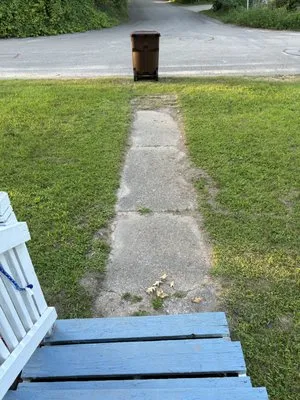
Andy's Lawncare is your trusted local expert in Newaygo, MI, providing comprehensive outdoor solutions including lawn care, tree services, and snow removal. We understand the unique challenges of Newa...
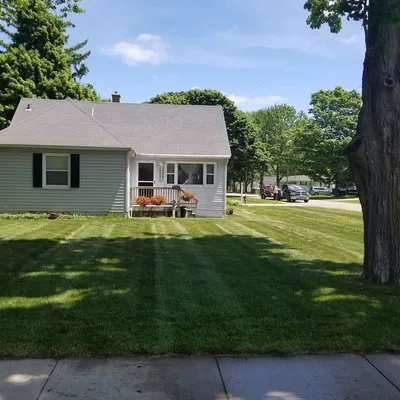
GrassMasters Landscape & Design is a family-owned lawn maintenance company serving Sparta, MI, with years of expertise in lawn care, tree services, and snow removal. Founded by Dan, who grew up workin...
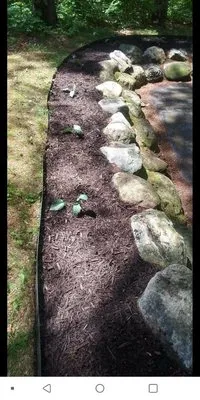
MI Landscape Guy is a locally owned landscaping and irrigation company serving Newaygo, MI, with over 15 years of industry experience. Founded in 2019 by Nathan Welch, the business combines profession...
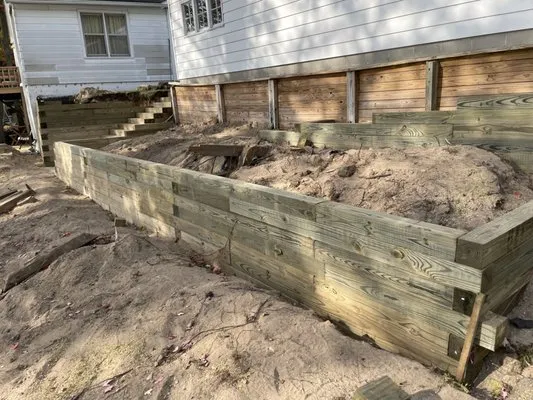
Mountains Edge is a dedicated landscape design and construction company serving Evart, MI, and the surrounding area. We specialize in transforming challenging terrain into beautiful, functional outdoo...
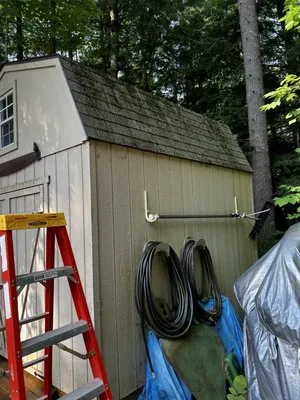
Bean Power Washing, based in Big Rapids, MI, is your local expert for lawn care and pressure washing solutions. We understand the unique challenges Big Rapids homeowners face, such as patchy lawn gras...
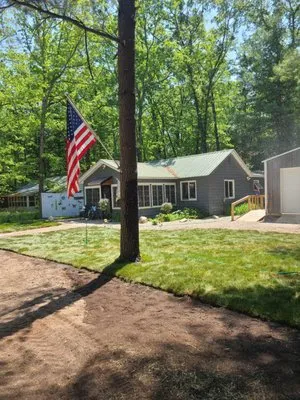
Abc Landscaping and Firewood is a family-owned and operated business based in the Wolf Lake area of Lake County, serving Baldwin and the surrounding Northern Michigan communities. We provide a compreh...
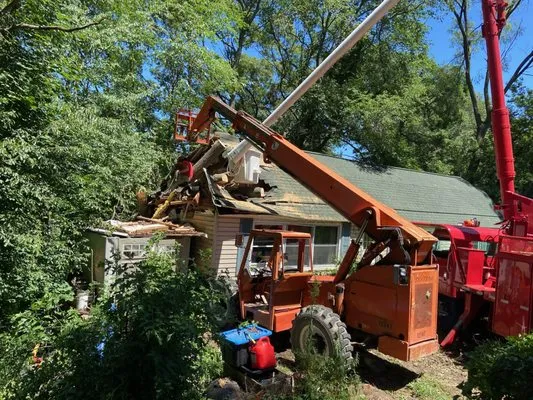
Christian Brothers Outdoor Services
Christian Brothers Outdoor Services is a Grant-based lawn and landscaping company built on a foundation of teamwork and personal connection. We believe the best results come from working directly with...
Butler Outdoors is a full-service landscaping, excavation, and tree care company proudly serving Stanwood and the surrounding areas of Mecosta County. Based in Canadian Lakes, we combine professional ...

Ground Up Stump Grinding
At Ground Up Stump Grinding in Mecosta, MI, we believe a beautiful property starts with a clean, safe, and well-planned foundation. While our name highlights our core specialty, our services extend fa...

All-Around Pro Services is your trusted local provider in Manistee, MI, offering expert pressure washing, lawn care, and window cleaning to enhance your property's curb appeal and health. We understan...
Estimated Landscaping Service Costs in Big Rapids, MI
Common Questions
What permits and licenses are needed for regrading my property?
Grading projects altering drainage patterns on 0.22-acre lots require Big Rapids Building Department permits with engineered drainage plans. Contractors must hold Michigan LARA landscaping licensure demonstrating competency in erosion control and soil management. Professional licensing ensures compliance with state sediment runoff regulations and local amendment ordinances. Unlicensed grading risks fines and voided property insurance during flood events.
What invasive species threaten Big Rapids landscapes, and how are they managed?
Garlic mustard and Japanese knotweed present primary risks, spreading rapidly through Riverside District's disturbed soils. Treatment involves manual removal before seed set combined with targeted glyphosate applications during fall translocation periods. All treatments comply with phosphorus-free fertilizer ordinances unless soil tests demonstrate deficiencies. Timing avoids blackout dates while preventing collateral damage to native Purple Coneflower and Butterfly Milkweed populations.
Are concrete pavers better than wood for patio longevity in Michigan?
Concrete pavers withstand freeze-thaw cycles for 25+ years versus wood's 10-15 year lifespan with constant maintenance. Their non-combustible nature supports the Low Fire Wise Rating in urban-suburban interfaces by creating defensible space. Interlocking systems accommodate ground movement without cracking, while permeable options manage the 0.22-acre lot's runoff. Crushed granite pathways offer similar durability with superior drainage characteristics for seasonal water table conditions.
What prevents frost heave and seasonal water table issues in my yard?
Sandy loam's moderate permeability combined with seasonal high water tables requires graded swales directing runoff away from foundations. Permeable concrete pavers or crushed granite hardscapes meet Big Rapids Building Department runoff standards by allowing 80-95% infiltration versus impervious surfaces. French drains with clean stone aggregate provide subsurface relief, while rain gardens planted with native species offer biological drainage solutions.
Why does my soil seem compacted and lifeless compared to newer neighborhoods?
Big Rapids homes built around 1965 have soil that has matured for over 60 years, developing compaction layers from decades of foot traffic and conventional maintenance. In the Riverside District, sandy loam soil naturally loses organic matter over time, reducing permeability and microbial activity. Core aeration every 2-3 years with compost topdressing addresses this by improving oxygen exchange and reintroducing beneficial mycorrhizae. Soil testing confirms pH remains in the optimal 6.2-6.8 range for nutrient availability.
How quickly can you respond to storm damage for HOA compliance?
Emergency cleanup crews dispatch from Hemlock Park via US-131, maintaining a 20-30 minute response window during peak conditions. This routing avoids residential congestion while allowing for equipment transport. Teams prioritize safety assessments before debris removal, focusing on downed limbs blocking driveways or threatening structures. Electric chainsaws and sweepers comply with noise ordinances while providing efficient service.
How can I reduce mowing and gas equipment noise in my landscape?
Replacing high-maintenance turf with Purple Coneflower, Butterfly Milkweed, Little Bluestem, Wild Bergamot, and Serviceberry creates resilient native plant communities requiring minimal intervention. These species establish deep root systems that improve soil structure and sequester carbon. Electric maintenance fleets operate within noise ordinance windows while eliminating emissions. Reduced mowing frequency aligns with 2026 biodiversity standards supporting pollinator corridors.
Can I keep my lawn green during voluntary water conservation?
Wi-Fi ET-based weather sensing irrigation automatically adjusts schedules using real-time evapotranspiration data from local weather stations. This technology reduces water use by 25-40% while maintaining Kentucky Bluegrass and Fine Fescue blends through drought stress periods. Systems calibrate to sandy loam's percolation rate, applying water only when soil moisture sensors indicate need. Programming follows municipal tiered restrictions without compromising turf health.
