Top Landscaping Services in Berkley, MI, 48072 | Compare & Call

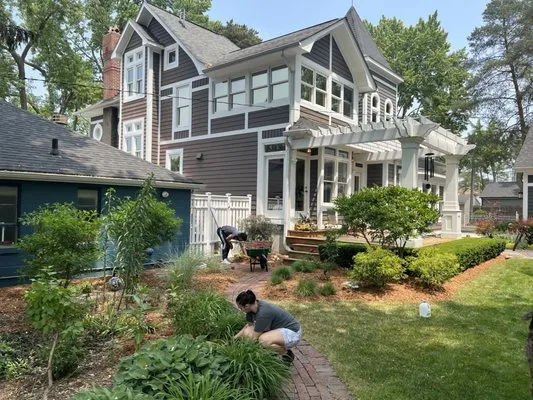
My name is Greg, and I started GTR Lawn Service here in Berkley in 2015. With over twelve years of experience in the local lawn and landscape industry, I built this company on a foundation of trust an...
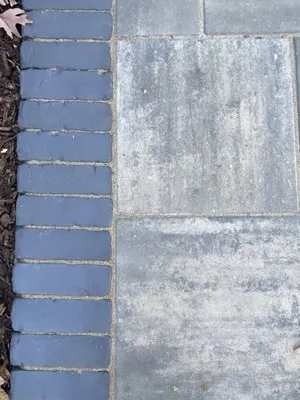
Goldy's Landscaping is a family-owned and operated business with deep roots in Berkley. Founded in 1980 by Greg Goldberg, the company started with basic lawn care and yard cleanups, building a reputat...
Andy's Lawn Care & Landscaping Services in Berkley, MI, is a locally owned and operated business with deep roots in the community. Founded by Berkley resident Andy Salmu, who started his lawn care jou...
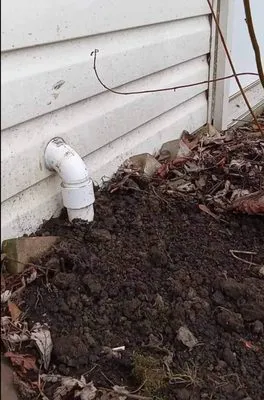
For over 26 years, Twister Backyard Flooding Solutions has been a trusted, family-owned and operated business serving Berkley. We build lasting relationships through clear communication and meticulous...

Basek Landscaping is a trusted local landscaping company serving Berkley, MI, dedicated to enhancing outdoor spaces with professional care and expertise. We specialize in addressing common local lands...
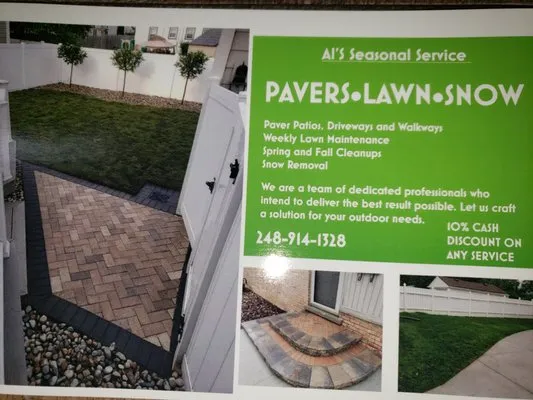
Al's Seasonal Service is your trusted local partner in Berkley, MI, offering comprehensive lawn care and snow removal solutions tailored to our community's specific needs. We understand that many Berk...

Land Technologies is a Berkley-based landscaping, snow removal, and handyman service founded in 2004 by local entrepreneur Michael Bryant. What began as a one-person operation driven by a passion for ...
Ted The Lawn Man is a dedicated local lawn care provider serving Berkley, MI. We specialize in addressing common local landscaping challenges, such as soil compaction and damaged landscape edging, whi...

At 545 Lawn Care in Berkley, our story is rooted in the community. We began over 20 years ago by simply helping elderly neighbors with their lawns and snowy driveways. That neighborly commitment remai...
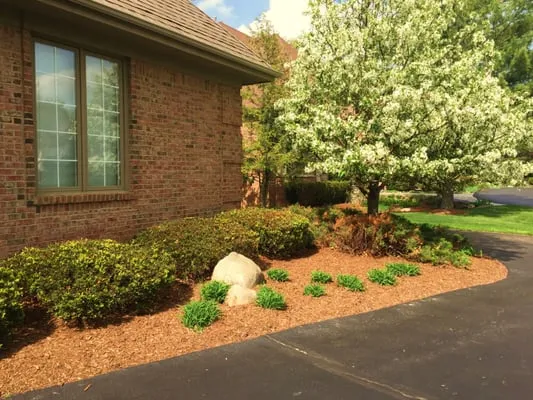
Lawn Guardians Landscaping is a Berkley, MI-based, family-owned company that has been serving the community since 2006. Founded by Jay DeFrane, the business is built on a foundation of personal relati...
Common Questions
How quickly can you respond to an emergency tree cleanup after a storm in Downtown Berkley?
Emergency storm response from Berkley City Hall follows I-696 access routes with 20-30 minute arrival during peak conditions. Our electric maintenance fleet operates within the 8am-8pm noise ordinance window while meeting HOA compliance deadlines. Dispatch prioritizes safety hazards like hanging limbs or blocked access before addressing cosmetic damage, with most emergency cleanups completed within 4 hours of arrival.
How do I control invasive species without violating fertilizer regulations?
Japanese knotweed and garlic mustard present the highest invasive risks in Berkley's established neighborhoods. Manual removal during early growth stages prevents seed dispersal while targeted glyphosate applications follow Michigan Fertilizer Application Act phosphorus limitations. Treatment timing avoids blackout dates by focusing on early spring or late fall when natives are dormant. Soil testing every 3 years determines precise amendment needs without exceeding regulatory thresholds.
Are permeable pavers better than wood decking for my backyard patio?
Permeable concrete pavers offer 25-30 year lifespans versus wood's 10-15 year replacement cycle in Michigan's freeze-thaw climate. Their non-combustible nature maintains Low Fire Wise ratings for urban residential zones while providing defensible space around structures. Installation over compacted aggregate bases prevents frost heave damage common with traditional pavers, and their modular design allows for future reconfiguration as needs change.
How can I maintain my Kentucky Bluegrass lawn during Stage 1 water restrictions?
Smart Wi-Fi ET-based weather sensing irrigation calculates evapotranspiration rates specific to Berkley's microclimate. This system delivers 0.75-1.0 inches weekly during peak growth, aligning with voluntary conservation guidelines while preserving turf health. Programming adjusts for rainfall events and soil moisture sensors prevent overwatering in clay-heavy areas. This approach maintains Kentucky Bluegrass and Perennial Ryegrass blends while reducing municipal water consumption by 30-40% compared to traditional timers.
What permits and licenses are needed for grading my 0.14-acre Berkley property?
Grading projects exceeding 50 cubic yards of soil movement require City of Berkley Building Department permits with engineered drainage plans. Michigan LARA licensing mandates that contractors performing this work hold either a Residential Builder or Maintenance & Alteration Contractor license. Property size determines setback requirements and erosion control measures, with 0.14-acre lots typically needing silt fencing and straw wattles during active earthwork to prevent runoff into municipal systems.
What's the best solution for seasonal ponding in my clay-heavy Berkley yard?
High clay content in glacial till creates permeability challenges requiring integrated drainage solutions. Permeable concrete pavers installed with 4-inch gravel bases and geotextile fabric achieve 5-8 inches per hour infiltration rates. This meets City of Berkley Building Department runoff standards while addressing seasonal ponding within property boundaries. French drains connected to dry wells provide additional capacity for extreme precipitation events common in USDA Zone 6a.
Why does my Berkley yard have such compacted soil that struggles to absorb water?
Downtown Berkley properties average 77 years of development, creating mature soil profiles in the glacial till substrate. Loamy glacial till with pH 6.8-7.2 naturally compacts over decades, reducing permeability to 0.5 inches per hour. Core aeration every 2-3 years introduces oxygen channels while top-dressing with composted organic matter improves water retention without altering pH balance. This addresses the historical layering common in neighborhoods developed during the mid-20th century building boom.
Should I replace part of my lawn with native plants to reduce maintenance?
Transitioning high-maintenance turf to Purple Coneflower, Wild Bergamot, Butterfly Milkweed and Little Bluestem reduces mowing frequency by 60% while supporting 2026 biodiversity standards. These natives establish deep root systems within 2-3 seasons, requiring no irrigation once established and eliminating gas-powered equipment use. This approach stays ahead of evolving noise ordinances while creating pollinator corridors throughout Downtown Berkley's residential landscape.
