Top Landscaping Services in Belding, MI, 48809 | Compare & Call
There are 59 landscaping companies server in Belding MI
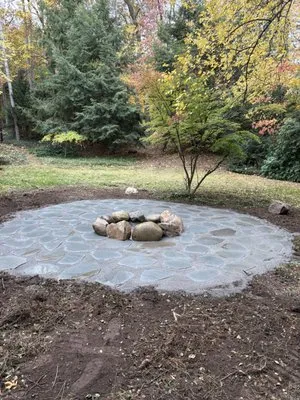
Premier Dirtworks & Outdoor solutions
Premier Dirtworks & Outdoor Solutions is a locally owned and operated company in Zeeland, MI, founded in 2025 by Ashton. We provide dependable dirt work, landscaping, and property improvement services...

Great Lakes Property Improvement
Great Lakes Property Improvement is a Lyons, MI-based husband and wife team specializing in landscaping, excavation, and demolition. With extensive backgrounds in environmental and field work, they ta...
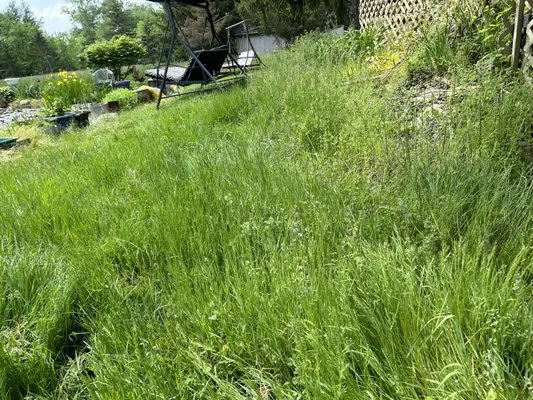
Lake Michigan Outdoor Services is a local, family-operated business dedicated to transforming and maintaining your outdoor living space in Kent City. We believe in treating every property as if it wer...
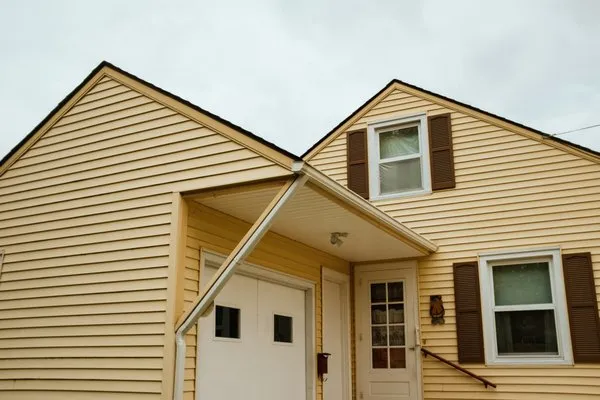
Mountain Side is a Grand Rapids-based general contractor specializing in landscaping, fencing, and outdoor construction. Serving the West Michigan community, we help homeowners tackle common local iss...
HydraScapes Irrigation is a family-owned and operated business founded in Hastings in 2022 by Zach Winchel. With over two decades of dedicated experience in the irrigation industry, Zach brings a deep...
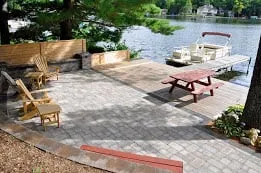
Cutting Edge Hardscapes is a licensed residential builder based in Rockford, MI, serving Kent County since 2010. With over two decades of combined experience in construction and hardscaping, we specia...
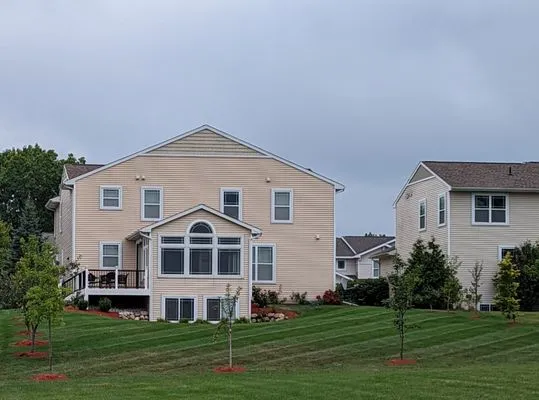
LHS Services is a Lansing-based landscaping company dedicated to transforming outdoor spaces with precision and care. We specialize in a full range of services, from landscape design and construction ...
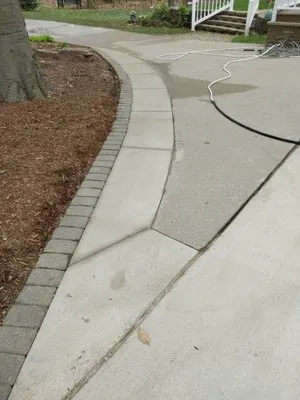
KRD Concrete Works is a full-service masonry and landscaping contractor serving Lansing and the surrounding communities. We understand that many local homes struggle with landscaping issues like soil ...
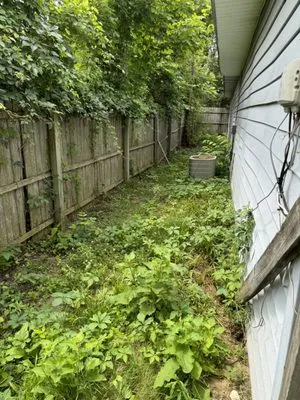
Randy’s Lawn Care is a locally owned and operated lawn service business in Saint Johns, MI, founded by Randy who brings four years of hands-on experience to every job. Specializing in comprehensive la...
JNH Land Services is a trusted, full-service landscaping and snow removal company serving Eaton Rapids, MI. We specialize in comprehensive property care, from routine lawn maintenance and shrub manage...
Estimated Landscaping Service Costs in Belding, MI
Question Answers
Our yard experiences frost-heave and spring saturation problems. What solutions work with our soil type?
Sandy Loam's moderate permeability requires graded swales or French drains to manage seasonal saturation. Installing permeable concrete pavers or locally sourced Limestone for patios and walkways increases surface infiltration by 50-70%. These materials meet Belding City Clerk/Building Department runoff standards while addressing frost-heave through proper base preparation with 6-8 inches of compacted aggregate.
I've spotted invasive Garlic Mustard in my garden. How do I treat it without violating fertilizer regulations?
Hand-pull Garlic Mustard before seed set in early spring, ensuring complete root removal. For persistent infestations, spot-treat with glyphosate-based herbicides during active growth phases, avoiding the statewide Phosphorus ban blackout dates for turf applications. Always follow label rates and apply during calm conditions to prevent drift onto desirable plants. Monitor for re-emergence over 2-3 growing seasons.
We need emergency storm cleanup to meet HOA compliance deadlines. What's your fastest response time?
Our electric maintenance fleet can dispatch from Silk City Nature Park via M-44 within 20-30 minutes during peak hours. This routing avoids downtown congestion while adhering to Belding's 10:00 PM to 7:00 AM noise ordinance with silent equipment. We prioritize debris removal and turf restoration to prevent secondary damage from fallen branches or standing water.
My Downtown Belding yard has poor drainage and compacted soil. Is this typical for our neighborhood's older homes?
Yes, this is characteristic of Downtown Belding's 1950-era lots with 76-year soil maturity. Original construction practices and decades of foot traffic have compacted the native Sandy Loam (pH 6.2-6.8), reducing permeability. Core aeration every 2-3 years is essential to improve oxygen exchange and water infiltration. Incorporating 2-3 inches of composted organic matter annually will rebuild soil structure and support microbial activity.
Should I choose concrete pavers or wood for a new patio that will last in our climate?
Concrete pavers or locally sourced Limestone outperform wood in Belding's Zone 5b climate with 50+ year lifespans versus wood's 10-15 years. These materials resist frost damage, require no chemical treatments, and maintain structural integrity through freeze-thaw cycles. Their non-combustible nature supports Belding's Low Fire Wise rating by creating defensible space without adding fuel loads near structures.
How can I maintain my Kentucky Bluegrass and Fine Fescue mix without wasting water during dry spells?
Soil-moisture sensor-based controllers optimize irrigation by measuring actual root-zone conditions rather than following fixed schedules. These systems apply water only when ET rates exceed 0.15 inches per day, typically reducing usage 30-40% while preserving turf health. Though Belding has no mandatory restrictions, this approach aligns with voluntary conservation goals and prevents spring saturation issues common in Sandy Loam soils.
What permits and licenses are needed for regrading my 0.22-acre lot to improve drainage?
Grading altering more than 100 cubic yards of soil requires a permit from the Belding City Clerk/Building Department. Contractors must hold Michigan LARA landscaping licensure for earthmoving operations. On 0.22-acre lots, professional certification ensures proper slope calculations (1-2% minimum), erosion control during work, and compliance with municipal stormwater management ordinances to prevent off-site runoff issues.
I want to reduce mowing and gas equipment noise while supporting pollinators. What native options work here?
Replacing high-maintenance turf with Common Milkweed, Wild Bergamot, Black-eyed Susan, and Little Bluestem creates a low-input habitat that thrives in USDA Zone 5b. These natives require no fertilization, minimal watering once established, and eliminate weekly mowing. This transition anticipates stricter gas-blower regulations under noise ordinances while providing year-round visual interest and supporting 2026 biodiversity targets.
