Top Landscaping Services in Auburn Hills, MI, 48309 | Compare & Call
There are 190 landscaping companies server in Auburn Hills MI

TruGreen Lawn Care is a dedicated local provider serving Rochester Hills, MI, with comprehensive lawn and tree services. Our team offers tailored solutions for lawn care, including aeration, overseedi...
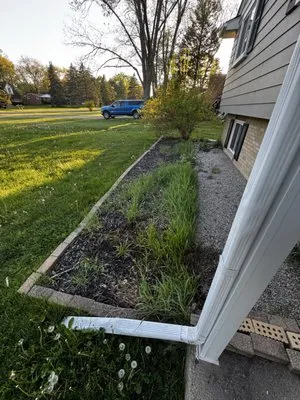
AJC Landscaping is a Troy-based landscaping company founded by Jake and Alex, two dedicated college students who have been honing their craft for five years. Now in their first official year of busine...
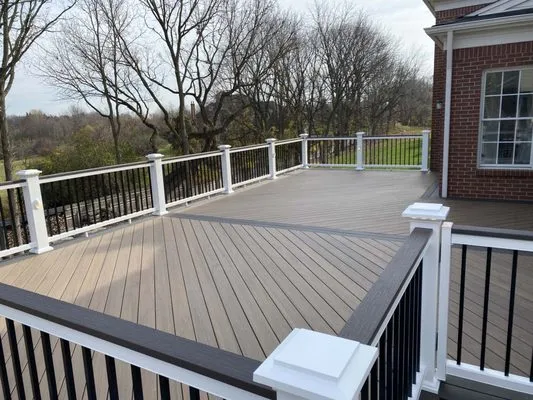
For over half a century, Miller Landscape has been a cornerstone of outdoor craftsmanship in Orion Township and Southeast Michigan. Founded by brothers Bob and Bill, this family-owned business has gro...
Fischer Landscapes is a trusted Troy-based provider of comprehensive lawn and landscape services, specializing in both design and maintenance for residential and commercial properties. Serving the loc...

GreenTrees in Rochester Hills has been a trusted local provider of tree and landscape care since 1990. Founded and supervised by degreed horticulturists, the company serves Rochester Hills and surroun...

Green Meadows Lawnscape
Green Meadows Lawnscape has been Rochester Hills' trusted landscaping partner since 1990, offering comprehensive services from landscape design and installation to maintenance, hardscaping, and irriga...
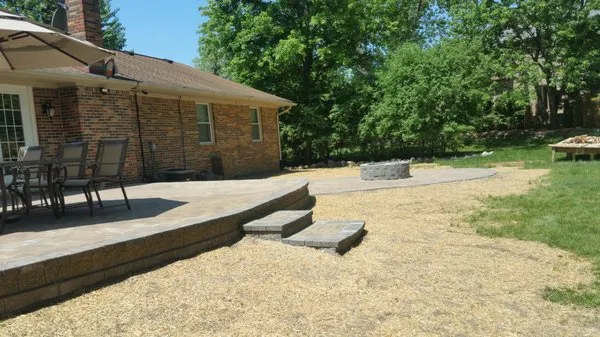
Authentic Touch Landscape is a family-owned and operated Pontiac landscaping company that has been building trust in the community since 2005. Our reputation is built on hard work and genuine word-of-...
Infinite Tree is a trusted Pontiac-based service provider specializing in tree services, lawn care, and electrical work. We understand that local homeowners often face landscaping challenges like tree...
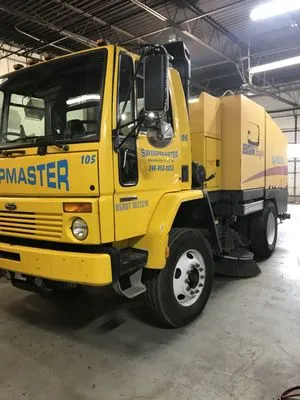
Since 1993, Sweep Master has been the trusted outdoor maintenance partner for Rochester Hills. Starting with a single truck, we've grown into a full-service operation with a large fleet of over ten sp...
3 T's Landscaping, based in Farmington Hills, MI, is a locally owned and operated landscaping business with deep roots in the community. Founded by Travis, who started learning the trade as a young ki...
Estimated Landscaping Service Costs in Auburn Hills, MI
Questions and Answers
What permits and credentials should I verify before hiring someone to regrade my yard?
Any significant grading or earth-moving on a 0.25-acre lot requires verification of proper licensing and permits. The contractor must hold a license from the Michigan Department of Licensing and Regulatory Affairs (LARA). The Auburn Hills Community Development Department issues permits for drainage work to ensure it complies with erosion control and stormwater regulations. Always request proof of both before work begins to guarantee accountability and code compliance.
How can I keep my lawn green during summer without violating water restrictions?
Auburn Hills operates under Stage 0 voluntary conservation, making efficient water use essential. Smart Wi-Fi ET-based controllers are the standard solution, as they adjust irrigation schedules daily based on local evapotranspiration data and weather sensing. This technology applies precise amounts of water, preserving your Kentucky Bluegrass and Fine Fescue mix while staying well within municipal water system limits and avoiding wasteful runoff.
What are the most aggressive weeds here, and how do I treat them without harming the environment?
In this area, invasive species alerts typically include Garlic Mustard and Japanese Knotweed. Effective treatment combines targeted mechanical removal with careful, spot-applied herbicide use, always following label instructions. Crucially, any fertilizer used must be phosphorus-free per local ordinance, unless you are establishing new turf. Treatments are timed to avoid spring runoff periods to protect water quality.
If a storm causes major tree damage, how quickly can a crew respond for an emergency cleanup?
For urgent HOA compliance or safety-related cleanup, a crew dispatched from the Civic Center Park area can typically reach Downtown Auburn Hills via I-75 within the 25-30 minute peak response window. We prioritize such calls and coordinate with the city for debris removal. All work is scheduled within the local noise ordinance hours of 7:00 AM to 9:00 PM.
My yard has persistent soggy spots each spring. What's the cause and a long-term fix?
This is a classic symptom of the high seasonal water table and poor infiltration through clay subsoils found in our Glacial Till Loam. Surface water cannot percolate downward quickly. A permanent solution involves installing subsurface drainage like French drains and specifying permeable hardscapes. Using permeable concrete pavers or crushed limestone for patios and paths meets Auburn Hills Community Development Department runoff standards by allowing water to infiltrate on-site.
Is a wooden deck or a paver patio a better long-term investment for my home?
For longevity and reduced maintenance, permeable concrete pavers are superior. Unlike wood, which decays and requires sealing, paver systems are permanent and allow for critical stormwater management. In Auburn Hills' Moderate Fire Wise rating zone, non-combustible hardscapes like pavers or crushed limestone also contribute to defensible space by creating a fire-resistant buffer, an increasingly considered factor in urban-wildland interface areas.
I'm tired of weekly mowing. Are there lower-maintenance, eco-friendly alternatives to my grass?
Yes. Transitioning sections of high-input turf to a native plant community is a forward-looking strategy. Species like Purple Coneflower, Butterfly Milkweed, and Little Bluestem are adapted to Zone 6a and require no mowing, minimal water, and no synthetic fertilizers. This approach reduces maintenance noise and fuel use, aligning with trends toward stricter gas-powered equipment ordinances and supporting 2026 biodiversity goals for pollinator corridors.
Why does the soil in my yard feel so dense and compacted compared to newer subdivisions?
Properties in Downtown Auburn Hills, built around 1987, have soils that have matured for nearly 40 years. The underlying Glacial Till Loam, with a pH of 6.8-7.2, often develops a dense, compacted layer from decades of foot traffic and equipment use. This layer severely limits soil percolation and root penetration. Annual core aeration and the addition of compost are critical to improve permeability and reintroduce organic matter to this mature profile.
