Top Landscaping Services in Au Train Township, MI, 49806 | Compare & Call
There are 62 landscaping companies server in Au Train Township MI
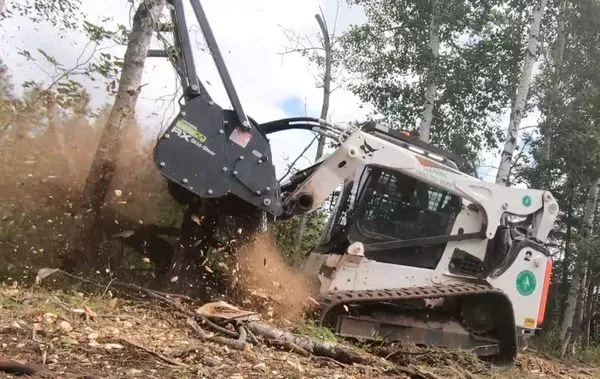
Northwood Clearing is a dedicated land management partner serving Ishpeming and Michigan's Upper Peninsula. We specialize in a comprehensive range of earthwork, excavation, and landscaping services de...
Bears & Lions-Cleaning, Yard, & Art Services
Bears & Lions is a Negaunee-based team providing essential home and yard care with a creative touch. We help local homeowners maintain clean, healthy living spaces through deep cleans, move-out servic...
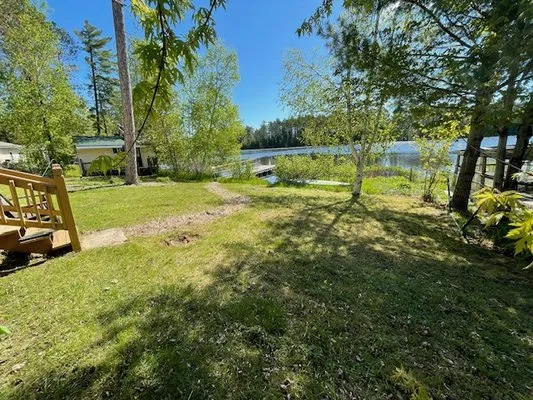
Serving Michigamme and the surrounding area, J&A Up Services is a trusted local contractor specializing in comprehensive property care. We understand the unique challenges faced by Upper Peninsula hom...
Enright Excavating is a trusted, family-owned business serving the Negaunee community and surrounding areas for over three decades. As a second-generation excavating service, we've built our reputatio...
Charlie Hawley Trucking is your trusted local partner for comprehensive landscaping solutions in Skandia, MI. We specialize in expert landscape and greenscape design and construction, tackling the spe...
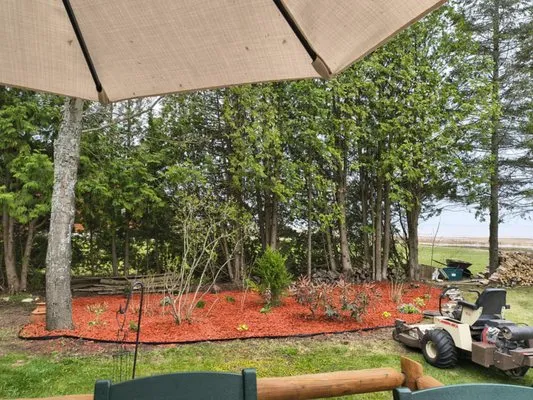
Happyrock Handyman is a Gladstone, MI-based family business built on Upper Peninsula values. Founded by Caleb and Lacie, the company is rooted in the self-reliance and broad skill set fostered by life...
Flinns Lawn & Landscape is a trusted, locally-owned landscaping company serving Escanaba, MI, and the surrounding Upper Peninsula. We specialize in creating and maintaining healthy, beautiful outdoor ...

Jiris Lawn Care & Shoveling is a trusted, locally-owned service in Escanaba, MI, dedicated to keeping your property pristine year-round. We understand the common local landscaping challenges, like ove...
Mikes Landscaping is a locally owned and operated business serving Escanaba and the surrounding areas since 2001. Founded by brothers Mike and his sibling, the company grew from a shared commitment to...
Dan's Lawn & Landscape is a trusted Gladstone-based landscaping company dedicated to solving the common challenges local homeowners face. We specialize in addressing dead lawn areas with targeted aera...
Estimated Landscaping Service Costs in Au Train Township, MI
Common Questions
How quickly can you respond to storm damage for HOA compliance?
Emergency cleanup dispatch originates from Au Train Beach Park, traveling east on M-28 to reach properties within 45-60 minutes during peak conditions. This response window accounts for debris clearance while maintaining traffic safety on two-lane highways. Crews prioritize fallen branches and drainage obstruction removal to prevent secondary property damage. The timeline ensures compliance with general nuisance regulations regarding visible hazards.
What are low-maintenance alternatives to traditional turf grass?
Replacing high-maintenance turf with native plantings like Common Milkweed, Wild Bergamot, Canada Columbine, and Little Bluestem reduces maintenance frequency by 60-70%. These species thrive in acidic sandy soils without supplemental irrigation once established, conserving approximately 15,000 gallons annually per acre. Native plantings also eliminate gas-powered equipment use, positioning properties ahead of potential noise ordinance restrictions on leaf blowers. This approach supports local pollinators while creating visually dynamic, seasonally changing landscapes.
Which hardscape materials work best for our climate and fire risk?
Crushed local aggregate and fieldstone outperform wood for longevity in USDA Zone 4b, withstanding freeze-thaw cycles without deterioration. These materials maintain structural integrity for 25+ years compared to wood's 8-12 year lifespan in moist conditions. For properties with Moderate Fire Wise ratings in wildland-urban interface areas, stone hardscapes create defensible space by eliminating combustible materials within 30 feet of structures. The non-flammable nature of stone also reduces maintenance requirements associated with wood treatment and replacement.
What permits and licenses are needed for grading my 1.5-acre property?
Grading work on 1.5-acre lots in Alger County requires Alger County Building Department permits for any earth movement exceeding 50 cubic yards. Contractors must hold Michigan Department of Licensing and Regulatory Affairs (LARA) landscaping contractor licenses, which verify bonding and insurance coverage. Professional licensing ensures proper erosion control implementation during projects that alter natural drainage patterns. These requirements protect against sediment runoff into adjacent properties and waterways while maintaining compliance with local land use regulations.
How do I manage seasonal water table issues in my yard?
High permeability sandy Spodosols in Au Train Township experience seasonal high water tables that require strategic drainage solutions. Installing French drains with crushed local aggregate creates subsurface channels that redirect excess moisture away from foundations. Permeable fieldstone pathways further enhance natural infiltration while meeting Alger County Building Department runoff standards. These systems work with the soil's natural drainage capacity rather than against it, preventing erosion and root saturation.
Why does my lawn struggle despite regular care in Au Train Village?
Properties in Au Train Village, built around 1979, have acidic sandy Spodosols with 47 years of soil maturation. These soils typically develop pH levels of 5.0-6.0, creating nutrient deficiencies that inhibit turf establishment. Core aeration combined with organic amendments like composted pine bark improves soil structure and nutrient availability. This approach addresses the inherent low cation exchange capacity of sandy soils while maintaining appropriate acidity for native vegetation.
What's the most efficient way to water my lawn without restrictions?
Despite abundant seasonal rainfall, manual hose-end or drip irrigation systems provide precise water application for Kentucky Bluegrass and Fine Fescue mixes. These methods deliver 0.5-1.0 inches weekly directly to root zones, minimizing evaporation loss common in sandy soils. Drip irrigation particularly reduces water usage by 30-50% compared to sprinklers while preventing fungal issues. This approach maintains turf health without taxing municipal water resources during dry periods.
How should I handle invasive species without chemical overuse?
Invasive species like spotted knapweed and garlic mustard require targeted mechanical removal during early growth stages before seed set. Hand-pulling followed by solarization with clear plastic sheeting effectively controls infestations without chemical intervention. This method aligns with Michigan's statewide phosphorus restrictions for turf fertilizers by avoiding broad-spectrum herbicides. Timing removal before late May peak mulching season prevents accidental spread through contaminated organic materials.
