Top Landscaping Services in Attica Township, MI, 48412 | Compare & Call
There are 182 landscaping companies server in Attica Township MI
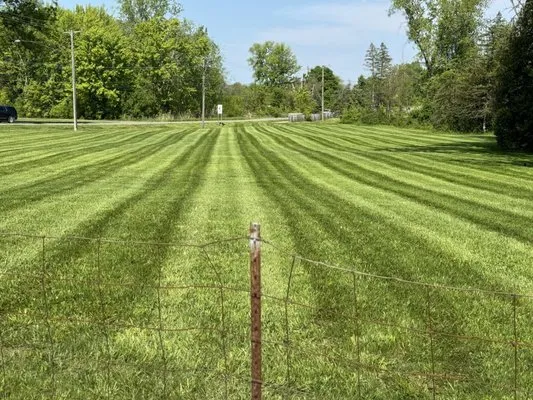
DMS Lawn Care and Landscaping is your trusted local partner for creating and maintaining beautiful, resilient outdoor spaces in Armada, MI. We specialize in comprehensive landscape construction, insta...
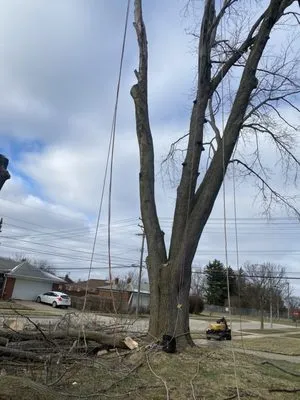
JMAC Lawn and Tree Service is your trusted, local partner for maintaining beautiful and healthy outdoor spaces in Commerce Township, MI. We understand the common challenges homeowners face here, such ...

For over 20 years, T-Rox Stump Grinding has been a trusted, family-owned name in Commerce Township and across southeast Michigan. Founded by Chris, the business was built on a simple belief: we can do...
Jake Ryan Landscape Group is a Union Lake-based landscaping and property care company serving Oakland County. We specialize in comprehensive outdoor solutions, from landscape design and construction t...
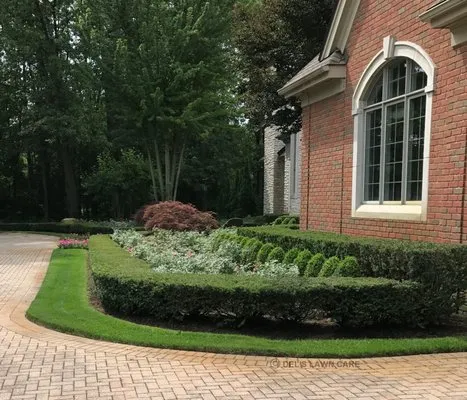
Del's Lawn Care in Oxford, MI is a family-owned landscaping business founded and operated by Delbert Powell. With a Bachelor's degree in Business Administration from the University of Michigan and ong...
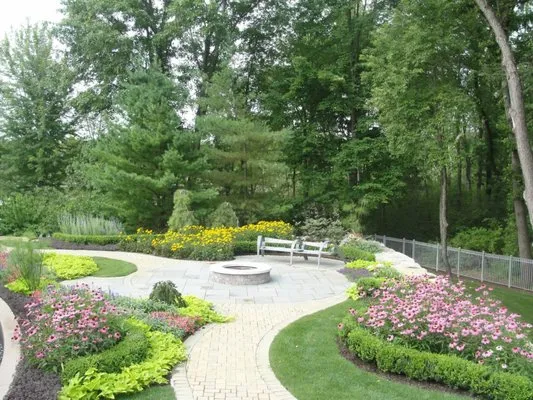
Robert Thomas Landscape Environments
For over three generations, Robert Thomas Landscape Environments has been a family-owned cornerstone in Oxford Charter Township, turning local properties into personalized outdoor living spaces. Under...
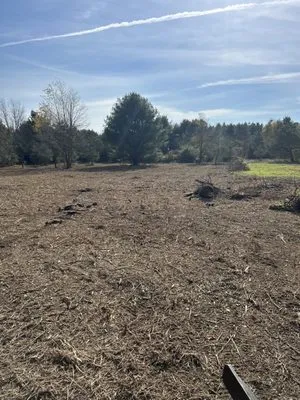
M&D Land Clearing is a licensed and insured land clearing service based in Burtchville Township, MI, specializing in forestry mulching and small tree removal. We serve Sanilac, Lapeer, and St. Clair c...
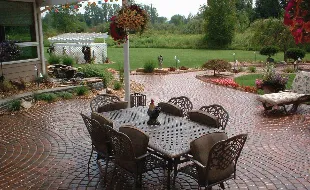
Founded by Lynn and Ronald Salisbury in 1986, Downriver Lawn & Landscape Inc. has been a trusted, family-owned presence in Marine City for decades. Officially incorporated in 1990, we've grown from a ...
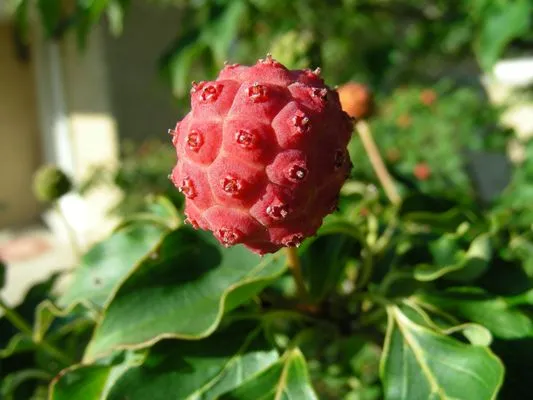
Sherman Nursery Farms
Sherman Nursery Farms has been a trusted Columbus, MI landscaping partner since 1969, offering comprehensive services from design to maintenance. With 66 acres of nursery-grown trees and a retail lot ...
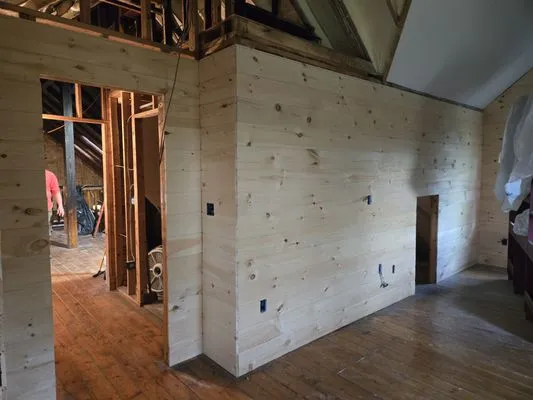
D & T Handyman is your trusted local service provider in St. Clair, MI, offering a comprehensive range of solutions for your home. We specialize in handyman repairs, appliance installations, deck cons...
Estimated Landscaping Service Costs in Attica Township, MI
Common Questions
How quickly can you respond to an emergency tree cleanup after a storm in Attica Township?
Emergency storm response from Attica Township Park via I-69 typically requires 25-40 minutes during peak conditions, accounting for debris clearance and traffic patterns. Our dispatch prioritizes routes that avoid the Village Center congestion while maintaining compliance with standard noise limits for equipment operation. This timeframe allows for safe mobilization of chippers, loaders, and crew to address immediate hazards like downed limbs blocking driveways or threatening structures.
Why does my Attica Township lawn have such poor drainage and compaction issues?
Properties in Attica Village Center built around 1983 have 43-year-old soil profiles that have experienced decades of compaction from construction equipment and routine maintenance. The slightly acidic sandy loam common here naturally develops poor infiltration in clay pockets over time, especially when organic matter content declines. Core aeration every 2-3 years combined with compost amendments at 0.5 cubic yards per 1,000 square feet addresses this by improving soil structure and water permeability while maintaining the optimal pH 6.2-6.8 range.
Are concrete pavers better than wood for patios in our climate?
Concrete pavers outperform wood in Attica Township's Zone 5b climate with 30+ year lifespans versus wood's 10-15 years, requiring no seasonal sealing or replacement from freeze-thaw damage. Their non-combustible nature also supports the Moderate Fire Wise rating requirement for 5-foot defensible perimeters around structures. Unlike wood that warps and decays in Michigan's humid summers and freezing winters, pavers maintain dimensional stability while providing better drainage through their permeable installation systems.
How do smart irrigation systems work with Attica's municipal water standards?
Smart Wi-Fi ET-based controllers with rain sensors calculate evapotranspiration rates specific to Attica Township's USDA Zone 5b climate, applying water only when the Kentucky Bluegrass and Perennial Ryegrass blend actually needs it. These systems typically reduce water use 20-30% compared to traditional timers by adjusting for daily temperature, humidity, and precipitation. Since Attica has no water restrictions, this technology prevents overwatering while maintaining turf health through precise moisture management at root level.
What permits and licenses are needed for grading my 1.5-acre property?
Grading work on 1.5-acre lots in Attica Township requires an earth change permit from the Lapeer County Building Department when disturbing over 1 acre or within 500 feet of water features. Contractors must hold appropriate licensing through Michigan's Department of Licensing and Regulatory Affairs, specifically a residential builder or maintenance/alteration license for projects exceeding $600. These regulations ensure proper erosion control during construction and verify that professionals understand local soil conditions and drainage requirements.
What's the best solution for seasonal water pooling in my yard?
Seasonal high water tables in Attica Township's sandy loam with clay pockets require French drains or dry wells to redirect subsurface water. For surface drainage, replacing impermeable surfaces with permeable concrete pavers or crushed limestone creates infiltration zones that meet Lapeer County Building Department runoff standards. These materials allow 3-5 inches per hour of water penetration while providing stable walking surfaces, effectively addressing the poor infiltration characteristic of this soil type.
What invasive species should I watch for and how do I treat them safely?
Japanese knotweed and garlic mustard present the highest invasive risks in Attica Township, often spreading from adjacent woodlots into residential landscapes. Manual removal before seed set combined with targeted spot treatments using glyphosate alternatives avoids violating Michigan's Natural Resources and Environmental Protection Act blackout dates. Always apply treatments during dry periods with temperatures between 60-85°F for maximum effectiveness while minimizing runoff into the seasonal high water table.
Should I replace some lawn with native plants to reduce maintenance?
Transitioning high-maintenance turf areas to native plantings like Common Milkweed, Wild Bergamot, and Little Bluestem reduces mowing frequency and supports 2026 biodiversity standards. These species thrive in Attica's slightly acidic sandy loam without supplemental irrigation once established, cutting water use by 70-80%. This approach also future-proofs your landscape against potential gas-blower restrictions under noise ordinances while creating habitat for pollinators and reducing seasonal maintenance demands.
