Top Landscaping Services in Athens Township, MI, 49011 | Compare & Call
There are 87 landscaping companies server in Athens Township MI

NC General Services is a Vicksburg-based landscaping company that transforms outdoor spaces through comprehensive design, construction, and maintenance services. From earthmoving and driveway installa...

Conant & Family Lawn Care & Landscaping is a Battle Creek family business built on a simple promise: to give you back your free time. We know life in Michigan is busy, and your weekends are precious. ...
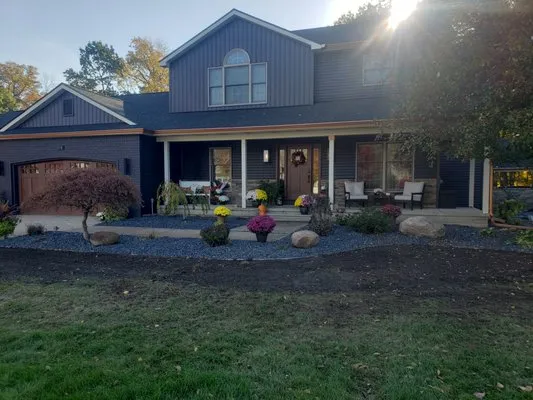
Cultivating Dreams is a full-service landscaping and snow removal company serving Richland, MI. We specialize in transforming outdoor spaces through comprehensive services including earthmoving, irrig...
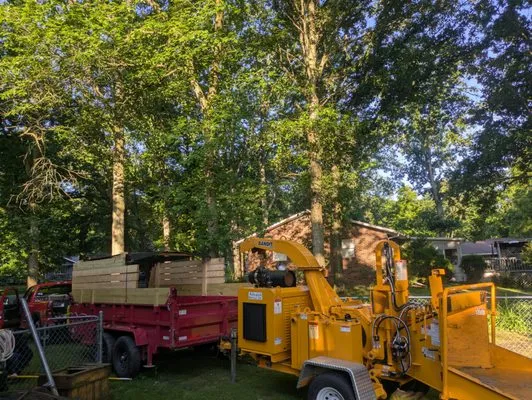
Based in Otsego, Damber Tree & Yard Service is your local partner for comprehensive outdoor care. We specialize in a full range of tree, gutter, and lawn services, from routine gutter cleaning and tre...
GOTOS Lawn and Landscaping is a trusted local provider in Kalamazoo, MI, specializing in comprehensive lawn care and gutter services. We understand the common challenges Kalamazoo homeowners face, suc...

Lawn & Order is your trusted local lawn care provider in Springfield, MI. We specialize in comprehensive lawn care services designed to tackle the specific challenges faced by homeowners in our commun...
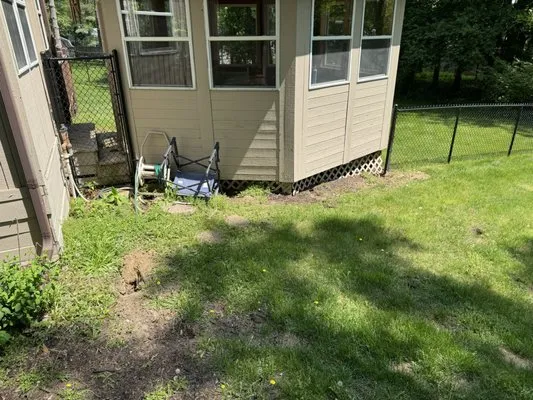
Bourbon Boys Lawn Care is a Battle Creek-based, locally owned service dedicated to helping homeowners achieve and maintain healthy, attractive properties. We offer a comprehensive range of services, i...

Farley's Repair and More
Farley's Repair and More is your dependable, local handyman in Bangor, MI, ready to tackle a wide variety of projects. We take pride in giving every customer and their project our full attention, whet...

Mike's Pressure Washing in Galesburg, MI, is a local landscaping and pressure washing business dedicated to enhancing and maintaining outdoor spaces. While starting with pressure washing, the company ...
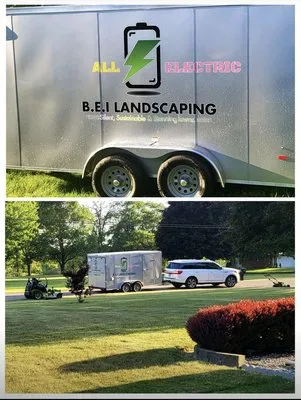
BEI Landscape in Kalamazoo, MI, is a locally-owned and operated lawn care provider that has been serving the community since 2016. Our commitment to both environmental stewardship and exceptional serv...
Estimated Landscaping Service Costs in Athens Township, MI
Questions and Answers
What permits and licenses are required for landscape grading?
Grading on 0.35-acre lots in Athens Township requires Calhoun County Community Development permits for earth moving exceeding 50 cubic yards. Contractors must hold Michigan LARA landscaping license #640 for projects affecting drainage patterns. Professional engineering stamps become necessary when modifying slopes over 15% or within 50 feet of wetland boundaries. These regulations prevent downstream erosion and maintain watershed integrity throughout the Battle Creek River system.
How quickly can you respond to storm damage for HOA compliance?
Emergency cleanup crews dispatch from Athens Township Park via M-66, arriving within the 45-60 minute peak response window. Our electric maintenance fleet operates within daytime noise ordinance restrictions from 8 AM to 8 PM. We prioritize safety assessments before debris removal, documenting all work for insurance and HOA reporting requirements.
Are concrete pavers better than wood for patio longevity?
Concrete pavers offer 25-30 year lifespans versus wood's 10-15 years in Michigan's freeze-thaw cycles. Their non-combustible nature supports Moderate Fire Wise ratings by creating defensible space around structures. Interlocking designs with polymeric sand joints prevent weed penetration while allowing thermal expansion. Crushed limestone bases provide superior drainage compared to wood's moisture retention issues that accelerate decay.
What solutions exist for seasonal water pooling in my yard?
Sandy loam soils in Athens Township exhibit poor infiltration rates during spring thaw, creating temporary high water tables. Installing French drains with clean gravel backfill improves subsurface drainage. For hardscape areas, permeable concrete pavers with crushed limestone bases meet Calhoun County Community Development runoff standards by allowing 5-8 inches per hour infiltration. These systems prevent erosion while managing seasonal moisture effectively.
Can I reduce maintenance while supporting local ecology?
Replacing 30-50% of traditional turf with native plantings like Purple Coneflower and Little Bluestem creates resilient landscapes. These species require minimal irrigation once established and support pollinator populations. Transitioning to electric equipment ahead of noise ordinance changes reduces operational noise by 50%. This approach aligns with 2026 biodiversity standards while cutting mowing frequency by 40% during peak seasons.
How do I manage invasive species without chemical overuse?
Athens Township faces Japanese knotweed and garlic mustard invasions that outcompete native vegetation. Mechanical removal during early growth stages proves most effective, followed by solarization of affected areas. For persistent issues, targeted glyphosate applications in fall avoid phosphorus ordinance restrictions. Always verify treatment windows with Michigan Department of Agriculture guidelines to prevent runoff into the Kalamazoo River watershed.
Why does my Athens Village Center lawn struggle despite regular care?
Athens Township homes built around 1982 have 44-year-old soil profiles. Sandy loam soils in this neighborhood naturally compact over decades, reducing permeability to 0.5 inches per hour. Core aeration every 2-3 years addresses this by creating channels for oxygen and water infiltration. Adding 0.25 inches of compost annually builds organic matter above the 2% threshold needed for healthy root development in Kentucky Bluegrass.
Should I install smart irrigation with current water restrictions?
Stage 0 water status allows irrigation but smart Wi-Fi ET-based controllers optimize usage. These systems calculate evapotranspiration rates specific to Athens Township's microclimate, applying 1-1.5 inches weekly to maintain Fine Fescue health. Programming follows municipal water limits while preventing drought stress during July heat peaks. This technology typically reduces water consumption by 30-40% compared to traditional timers.
