Top Landscaping Services in Assyria, MI, 49017 | Compare & Call
There are 186 landscaping companies server in Assyria MI
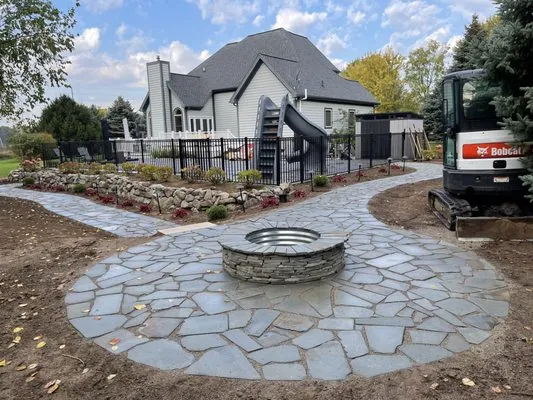
Margraves Landscaping is a Manchester-based landscaping and masonry company serving Ann Arbor and surrounding communities since 2013. We specialize in creating functional and beautiful outdoor spaces ...
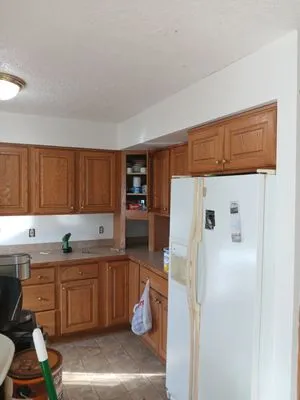
D&A is a locally owned and operated home services company in Napoleon, MI, built on family values and a commitment to the community. Founded by owners who left corporate life to build a legacy for the...
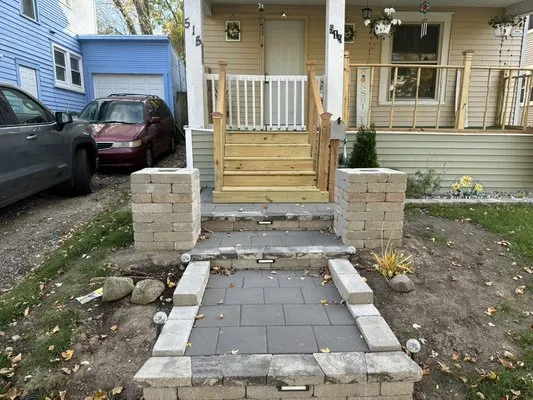
Apple Landscapes in Lansing, MI, is a local landscaping company that transforms outdoor spaces into personalized extensions of your home. We specialize in understanding your vision for gardens, patios...

After twenty years in New York City, I brought my dedication to a new home in Lansing, Michigan, and founded A 1 Service LLC in 2023. With no local network to rely on, I built this business on my pass...
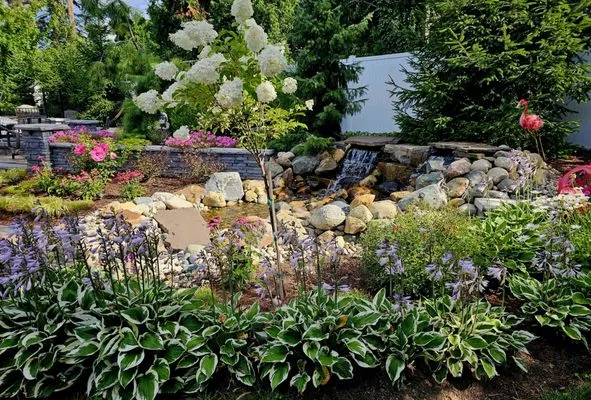
Land Visions Lawn & Landscape Inc. has been a trusted part of the Lansing, Michigan community since 2002. Starting with residential lawn care, we have grown into a full-service provider for both homeo...
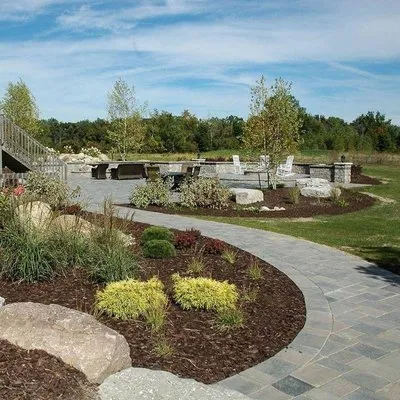
Stiles Lawn, Landscaping & Snow Removal is a family-owned and operated business serving the Greater Lansing area since 1984. As a locally owned company, we understand the specific challenges of Michig...
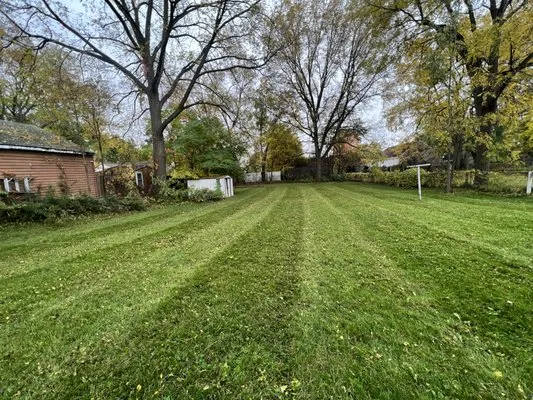
At Jays Lawn Care and Snow in Lansing, MI, we focus on delivering reliable lawn care and snow removal services to help homeowners maintain their properties year-round. Our approach is built on providi...

Outdoor Specialties is a full-service landscaping company rooted in the Lansing community since 2002. What began as a single-truck operation has grown into a trusted local business with a dedicated te...
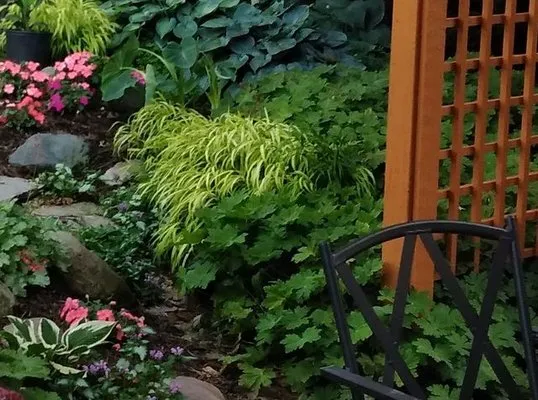
Quality Landscape
For over 50 years, Quality Landscape has been the trusted name for transforming properties across East Lansing and mid-Michigan. Founded in 1972, our team combines deep horticultural knowledge with ex...
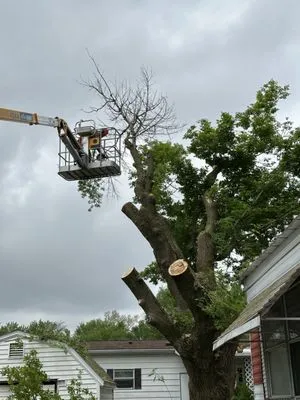
Lake State Landscaping & Snow Removal
For over 25 years, Lake State Landscaping & Snow Removal has been a trusted, locally-owned partner for Eaton Rapids residents and businesses. Our journey is built on a foundation of professional, reli...
Estimated Landscaping Service Costs in Assyria, MI
Common Questions
What permits and licenses are required for significant grading work on our 1.25-acre property?
Earth moving exceeding 100 cubic yards or affecting drainage patterns requires a grading permit from Barry County Planning & Zoning Department, with engineered plans for slopes steeper than 3:1. Contractors must hold appropriate licensing through Michigan LARA, including either a residential builder license for projects under $60,000 or a maintenance and alteration license for smaller-scale work. On lots over one acre, soil erosion and sedimentation control measures are mandatory during construction, with inspections at critical phases. Failure to secure proper authorization can result in stop-work orders, fines up to $10,000, and required restoration of disturbed areas at owner expense.
How do crushed limestone and concrete pavers compare to wood for durability and fire safety?
Crushed limestone offers superior permeability (3-5 inches/hour) compared to solid concrete, while concrete pavers provide structural stability for vehicle traffic areas. Both materials significantly outlast wood (25-30 years versus 10-15 years for pressure-treated lumber) with minimal maintenance beyond occasional leveling. For fire-wise considerations in this low-risk rural/suburban interface zone, non-combustible hardscapes create defensible space when installed within 30 feet of structures, reducing fuel loads that could carry ground fires. The light color of limestone and concrete also reduces heat island effect compared to asphalt or dark pavers.
Our Assyria Center neighborhood has older homes - what should we know about soil conditions after decades of development?
Properties built around 1984 have 42-year-old soil systems that typically show compaction from decades of foot traffic and equipment operation. Assyria's slightly acidic sandy loam (pH 6.2-6.8) naturally develops poor structure over time, reducing permeability and oxygen availability to roots. Core aeration every 2-3 years is essential to break up compaction layers, while incorporating 2-3 inches of composted organic matter annually improves water retention in this sandy soil type. These amendments address the common nutrient leaching issues in older neighborhood lots while maintaining optimal pH for most landscape plants.
Our property experiences seasonal wet spots - what drainage solutions work with Assyria's soil conditions?
The moderate seasonal high water table in Assyria's sandy loam requires graded swales or French drains to redirect surface water away from structures. Permeable hardscape materials like crushed limestone allow 3-5 inches per hour infiltration rates, meeting Barry County Planning & Zoning Department runoff standards while reducing erosion. For problem areas, dry wells filled with washed stone provide temporary storage during heavy precipitation events, with overflow directed to rain gardens planted with moisture-tolerant natives. These systems work with the soil's natural permeability rather than against it.
How do we maintain healthy turf while practicing water conservation in our voluntary restriction area?
Smart Wi-Fi soil moisture sensor controllers provide precise irrigation management by measuring actual soil conditions rather than operating on fixed schedules. These systems adjust watering based on evapotranspiration rates, delivering 0.5-1 inch weekly to Kentucky Bluegrass and Fine Fescue blends during peak demand while preventing overwatering. The technology automatically skips cycles after rainfall and reduces output during cooler periods, typically achieving 30-40% water savings compared to traditional timers. This approach maintains turf health within municipal guidelines while preparing for potential future mandatory restrictions.
What invasive species should we watch for, and how do we treat them safely under current regulations?
Garlic mustard, Japanese knotweed, and spotted knapweed present significant threats in USDA Zone 5b, outcompeting natives and altering soil chemistry. Manual removal before seed set is most effective for small infestations, while targeted herbicide applications require careful timing to avoid statewide phosphorus limitation blackout periods (typically early spring and late fall). Always verify treatment dates with the Michigan Department of Agriculture, as misapplication during restricted windows carries substantial penalties. For persistent problems, solarization using clear plastic sheeting provides chemical-free control by raising soil temperatures to lethal levels for weed seeds and roots.
What low-maintenance alternatives exist for reducing lawn care while supporting local ecology?
Replacing high-maintenance turf with native plantings like Butterfly Milkweed, Wild Bergamot, Little Bluestem, and Black-eyed Susan creates resilient landscapes requiring minimal inputs. These species support pollinators while surviving on natural rainfall once established, eliminating weekly mowing and reducing gas-powered equipment use ahead of noise ordinance restrictions. The deep root systems of native grasses improve soil structure and sequester carbon more effectively than traditional turf. This transition aligns with emerging electric maintenance fleet standards while providing year-round visual interest with seasonal blooms and seed heads.
We need emergency storm damage cleanup to meet HOA requirements - how quickly can a crew respond?
Emergency response crews can typically reach Assyria Center properties within 45-60 minutes during peak conditions by routing from the Assyria Township Hall staging area via M-66. This timeframe accounts for debris clearance on secondary roads and prioritizes safety during active weather events. The dispatch system monitors real-time traffic patterns to optimize routing, with crews equipped for immediate tree stabilization, branch removal, and debris management. For non-emergency HOA compliance issues, standard scheduling within 24-48 hours is available with proper documentation of violation specifics.
