Top Landscaping Services in Arlington, MI, 49013 | Compare & Call
There are 129 landscaping companies server in Arlington MI
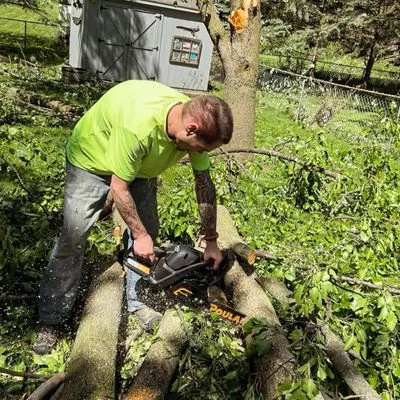
Josh Cochran provides reliable residential and commercial services in Dowagiac, MI, covering tree care, painting, drywall, and landscaping. We approach each project with a focus on quality workmanship...
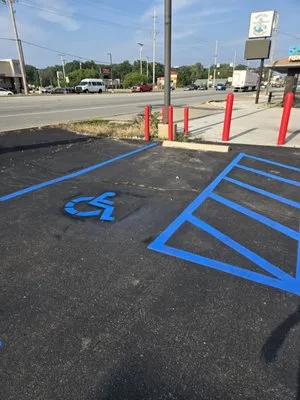
Line King Striping & Lawn Care is a veteran-owned and minority-owned company in Edwardsburg, MI, dedicated to enhancing property value and safety through meticulous exterior work. We provide dependabl...
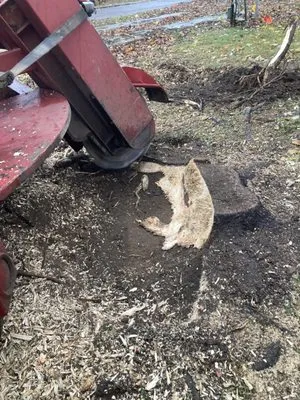
Mex Lawn Care & Tree Service is a trusted Benton Harbor, MI provider offering comprehensive lawn and tree care solutions. We specialize in addressing common local landscaping challenges like lawn fung...

Fast Act Landscaping And Lawn Care is a family-owned business serving Niles, MI and surrounding communities since 2019. Founded by a team of professional landscapers who saw a need for reliable, skill...
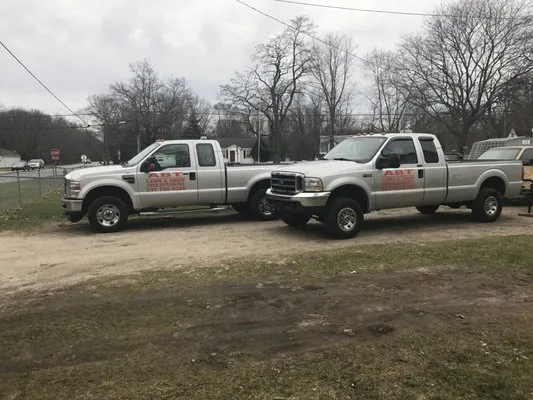
Founded in 2005 with deep roots in the Muskegon community, Abt Lawn & Snow has built a reputation on personalized, attentive care for every property. We believe no two yards are the same, and our appr...
Landscape Design Services in South Haven, MI is a locally-focused lawn and landscape design business dedicated to transforming outdoor spaces with expertise and care. Specializing in landscape design,...
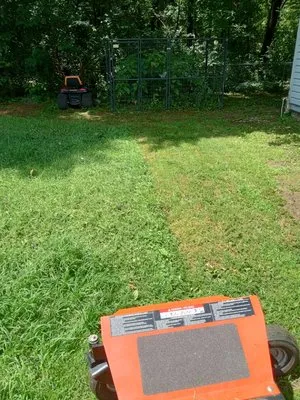
D&N Landscaping And Lawncare is a family-oriented lawn service business in Cassopolis, MI, founded in July 2023 to help local families maintain their yards affordably. We specialize in lawn care and t...
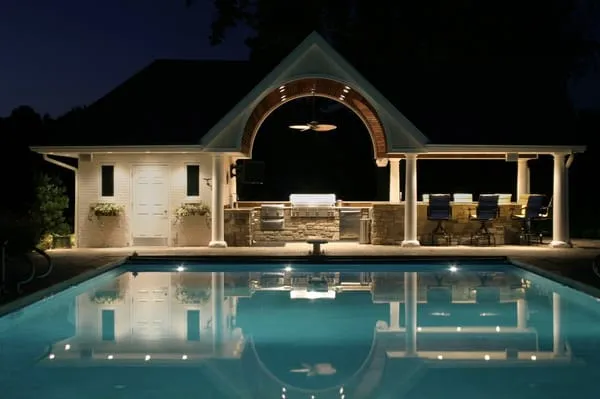
Nature's Way Landscaping
Nature's Way Landscaping is a family-owned, Stevensville-based design-build firm with deep roots in Southwest Michigan. Founded in 1976 by Gene de la Foret, the company is now led by Shawn de la Forêt...

Atlas Green Lawncare and Landscaping is a locally owned, full-service lawncare company in Dowagiac, MI, dedicated to providing expert year-round care and landscaping services at competitive prices. We...

Lion Lawncare is a locally owned and operated business in Berrien Springs, MI, founded by a dedicated young entrepreneur who understands the specific needs of the community. We believe in expertise, w...
Estimated Landscaping Service Costs in Arlington, MI
Question Answers
What low-maintenance alternatives exist for high-water-use turf?
Transitioning to native plantings like Purple Coneflower, Butterfly Milkweed, and Little Bluestem reduces water requirements by 70-80% compared to traditional turf. These species support local pollinators while requiring minimal maintenance beyond annual cutting back. This approach stays ahead of evolving noise ordinances that may further restrict gas-powered equipment. Wild Bergamot and Prairie Dropseed create textured, drought-resistant landscapes that thrive in USDA Zone 5b without chemical inputs.
How quickly can you respond to an emergency tree cleanup after a storm?
Our electric maintenance fleet can dispatch from the Arlington Community Center within 20-30 minutes during peak storm response periods. We route via M-21 to minimize travel time while complying with Arlington's noise ordinance restricting commercial equipment before 7:00 AM. This allows for immediate assessment of hazardous limbs while coordinating with utility companies if needed. Our response prioritizes safety clearance over cosmetic cleanup during emergency situations.
What permits and licenses are needed for landscape grading work?
Grading on 0.25-acre lots in Arlington requires erosion control permits from the City Planning & Building Department when moving more than 10 cubic yards of soil. Contractors must hold Michigan LARA licensing for earthwork exceeding 500 square feet. Professional licensing ensures proper slope calculations and drainage patterns that prevent downstream flooding. Unlicensed grading can violate municipal codes and create liability for improper water management on adjacent properties.
How should I handle invasive species without harming my soil?
Targeted manual removal of invasive plants like garlic mustard or Japanese knotweed prevents chemical overspray that could violate Arlington's phosphorus-free fertilizer ordinance. Soil testing determines specific nutrient deficiencies before any amendment application. Treatment timing avoids municipal blackout dates while supporting native plant recovery. This integrated approach manages invasives without disrupting soil microbiology or mycorrhizal networks essential for long-term landscape health.
How can I maintain my lawn during Stage 1 water restrictions?
Wi-Fi ET-based weather sensing controllers adjust irrigation schedules according to actual evapotranspiration rates, reducing water use by 20-30% compared to traditional timers. These systems preserve Kentucky Bluegrass and Fine Fescue blends by delivering water only when soil moisture sensors indicate need. Programming follows municipal water limits while preventing drought stress during peak summer months. This technology represents the current standard for responsible turf management in Arlington's voluntary conservation environment.
What solutions exist for yard flooding in low-lying areas?
Moderate seasonal saturation in Arlington's sandy loam soils requires French drains or dry wells to redirect subsurface water. Permeable concrete pavers and crushed limestone hardscapes meet Arlington City Planning & Building Department runoff standards by allowing 80-90% of rainfall to infiltrate. Grading adjustments of 1-2% slope away from foundations prevent water accumulation. These approaches address drainage hazards while maintaining soil structure and preventing erosion on 0.25-acre lots.
Why does my Arlington Heights lawn have drainage issues and poor grass health?
Properties in Arlington Heights built around 1981 have 45-year-old soil systems that have become compacted over time. The slightly acidic sandy loam (pH 6.4) common in this neighborhood loses permeability as organic matter decomposes without replenishment. Core aeration every 2-3 years introduces oxygen channels while top-dressing with composted organic matter improves water retention and microbial activity. This addresses the moderate seasonal saturation noted in low-lying depressions while creating better conditions for Kentucky Bluegrass and Fine Fescue establishment.
Are concrete pavers better than wood for patio construction?
Concrete pavers offer 30+ year longevity compared to wood's 10-15 year lifespan in Michigan's freeze-thaw cycles. Their non-combustible nature supports Arlington's Moderate Fire Wise rating by creating defensible space around structures. Crushed limestone bases provide superior drainage compared to organic materials that retain moisture. These materials require minimal maintenance while withstanding heavy use and seasonal temperature extremes better than composite or natural wood alternatives.
