Top Landscaping Services in Ann Arbor, MI, 48103 | Compare & Call
There are 205 landscaping companies server in Ann Arbor MI
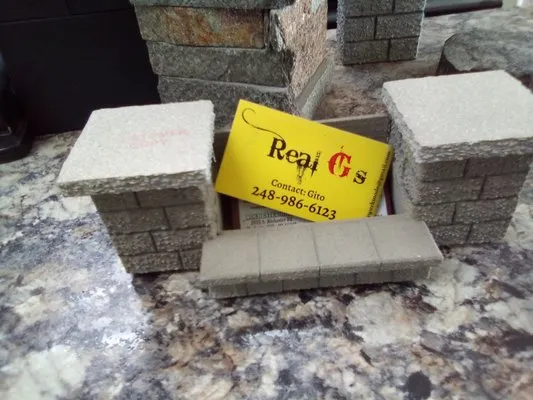
Real Gs in Pontiac, MI, is your trusted local partner for landscaping, drywall, and general contracting. We combine expert craftsmanship with a deep understanding of the Pontiac area to tackle project...
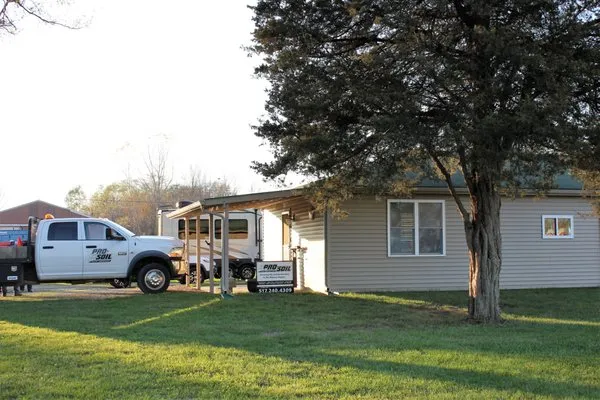
Pro-Soil Site Services is a Belleville-based commercial and industrial contractor established in 2002, specializing in fencing solutions and landscape restoration. With a team of State-Certified Techn...
Contardi Landscape is a trusted, locally-owned landscaping company serving Ypsilanti Charter Township and the surrounding area. We specialize in solving the common outdoor problems faced by our neighb...
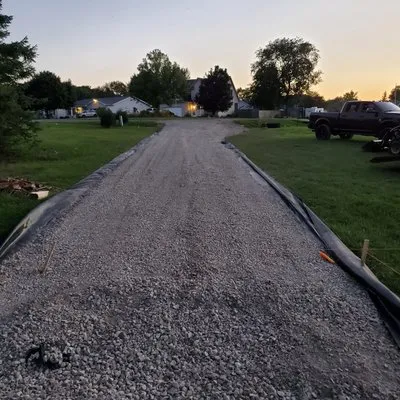
GET Property Services is your trusted local partner for year-round property care in Onsted, MI. We understand the unique needs of our community, from preparing homes for winter to maintaining them thr...

Armstrong's Cutting Edge Lawn Care is a dedicated lawn service provider proudly serving the Ann Arbor community. Since opening, our commitment has been to deliver high-quality lawn care with clear com...
Estimated Landscaping Service Costs in Ann Arbor, MI
Question Answers
My soil feels dense and lifeless. What's the history of the soil in Old Fourth Ward, and what can I do about it?
Ann Arbor's Old Fourth Ward was developed on native Glacial Till, a dense mix of clay, sand, and rock. For a home built around 1971, this soil has had over 55 years of compaction from construction and routine maintenance, severely reducing its permeability and organic matter. The typical pH of 6.5-7.2 is suitable, but the physical structure needs intervention. Core aeration followed by top-dressing with compost is essential to reintroduce pore space and microbial activity, transforming inert dirt into living soil.
I want to regrade my backyard to fix drainage. What permits and contractor qualifications should I verify?
Regrading that alters water flow or involves significant earth movement typically requires a permit from Ann Arbor Planning & Development Services. On a 0.22-acre lot, improper grading can adversely affect neighboring properties, making professional oversight critical. You must hire a contractor licensed by the Michigan Department of Licensing and Regulatory Affairs (LARA). Verify they carry specific landscaping or builder's licensure, as this ensures they are bonded, insured, and understand the local soil conditions and drainage ordinances necessary for a compliant and effective project.
Is a wooden deck or a paver patio a better long-term investment for my Ann Arbor home?
For longevity and reduced lifecycle maintenance, permeable clay pavers are superior to wood. While wood requires recurring staining, sealing, and eventual replacement due to rot, a properly installed paver patio can last decades with only occasional re-sanding. In our Low Fire Wise rating area, non-combustible pavers also contribute to defensible space. Furthermore, their permeability manages stormwater runoff effectively, an increasing priority for local codes, making them a more durable and ecologically sound investment.
I've spotted what looks like Japanese knotweed. How do I deal with invasive plants here without using restricted fertilizers?
Early identification and consistent management are key for invasives like Japanese knotweed or garlic mustard. Michigan law requires the use of phosphorus-free fertilizers, but this ordinance does not govern registered herbicide applications for invasive species control. For ecological removal, we employ targeted, systemic herbicides applied at the correct growth stage, combined with mechanical digging for smaller infestations. A follow-up protocol with native plantings helps restore the site and prevent reinvasion, ensuring a safe and compliant solution.
I'm tired of weekly mowing and gas equipment noise. What's a truly low-maintenance, quiet alternative to my lawn?
Transitioning to a native plant community is the definitive solution. Species like Purple Coneflower, Butterfly Milkweed, and Little Bluestem are adapted to our Zone 6a climate and glacial soils, requiring no irrigation once established, no fertilizer, and only an annual cut-back. This eliminates weekly gas-powered mowing, aligning with evolving noise ordinances. The resulting habitat supports local pollinators and provides year-round visual interest with far less labor, carbon output, and water use than traditional turf.
My yard has persistent soggy spots every spring. What's the best way to fix drainage in this clay-heavy soil?
Seasonal ponding is a direct result of the low permeability in Ann Arbor's clay-loam soils. The most effective long-term solution integrates subsurface drainage with surface management. Installing a French drain system tied to a dry well captures subsurface water, while regrading the surface to direct runoff away from foundations is critical. For any new patios or walkways, specifying permeable clay pavers can significantly reduce impervious surface area, often helping meet Ann Arbor Planning & Development Services' stormwater management requirements.
How can I keep my Kentucky Bluegrass lawn healthy during Ann Arbor's Stage 1 water conservation without wasting water?
Smart Wi-Fi ET-based irrigation controllers are the precise solution for voluntary conservation. These systems use real-time weather data and evapotranspiration rates to apply only the water your grass has actually used, eliminating guesswork and runoff. For your Fine Fescue and Bluegrass mix, this means deeper, less frequent watering that encourages drought-tolerant root growth. Properly programmed, this technology can reduce outdoor water use by 20-40% while maintaining turf health, keeping you well within municipal guidelines.
A storm brought down a large limb. How quickly can you respond for an emergency cleanup to avoid HOA violations?
For emergency storm response in the Old Fourth Ward, we dispatch from our facility near Nichols Arboretum. Using US-23, we can typically arrive within the 20-30 minute window during peak conditions, contingent on road closures. Our initial priority is making the site safe by clearing roadways and pathways of hazardous debris. A follow-up visit for detailed cleanup and chipping would be scheduled immediately after, ensuring swift compliance with local safety and aesthetic standards.
