Top Landscaping Services in Almont, MI, 48003 | Compare & Call
There are 96 landscaping companies server in Almont MI

Wolf Ridge is a locally owned and operated lawn care service based in Imlay City, Michigan, dedicated to providing reliable and flexible lawn maintenance for residents throughout Lapeer County and sur...

At The Tree Meister, we blend a genuine passion for the outdoors with a commitment to honest, reliable service for Grand Blanc residents. We started in 2021 with a simple principle: treat every client...
Giltrops Grass And Landscape is a Fenton, MI-based company founded by Richard Giltrop, whose passion for the outdoors began as a child mowing a neighbor's lawn. That early dedication grew into a deep ...

Lucky Leprechaun Lawn Service is a dedicated, locally-owned lawn care provider serving the Flint, MI community. We understand the unique challenges Flint homeowners face, including common issues like ...
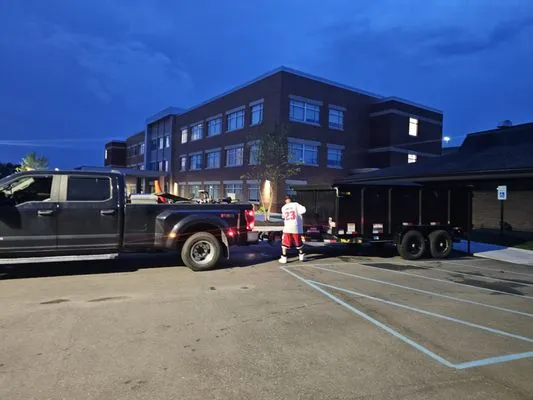
All Seasons Services
All Seasons Services is a trusted, full-service contractor based in Clinton Township, Michigan, dedicated to transforming and maintaining outdoor spaces for residential, commercial, and industrial cli...
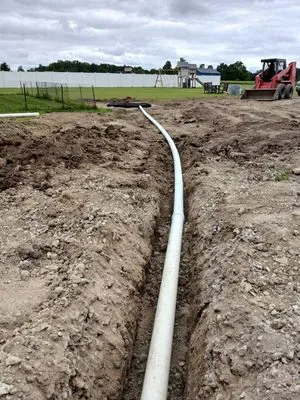
Green Oasis Landscaping is a locally owned and operated business in Columbiaville, MI, founded by a young entrepreneur who chose to build a reputation through hands-on work rather than corporate paths...
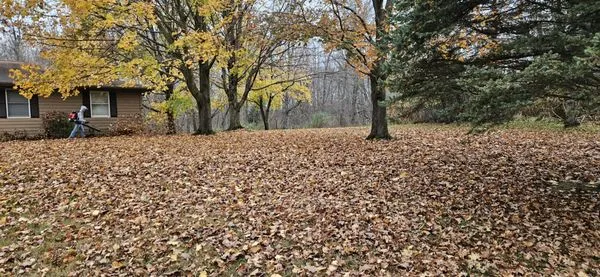
Allenton Lawn is a trusted local lawn and tree service provider serving Capac, MI, and the surrounding areas. We specialize in comprehensive lawn care, tree services, and gutter cleaning to help homeo...
Zinnia’s Lawn and Tree is a family-owned and operated business serving Smiths Creek and the surrounding area. As a local, small business, we focus on delivering honest work at affordable, consistent r...
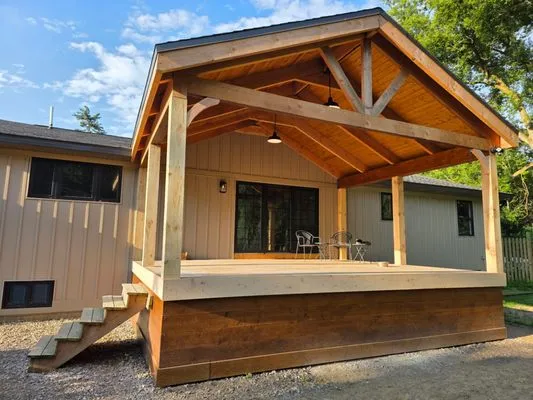
Premier Design & Build
Premier Design & Build is a trusted landscape design and construction company serving North Branch, MI, and surrounding areas. With over 35 years of combined experience in both construction and landsc...

American Lawn and Tree Arborists has been a trusted name in Troy, MI, since 1900, providing specialized natural and organic lawn and tree care services. As a family-owned business under owner William ...
Estimated Landscaping Service Costs in Almont, MI
Question Answers
What permits and licenses are needed for regrading my property?
Grading work on Almont's typical 0.35-acre lots requires an erosion control permit from the Almont Village Planning & Zoning Department when disturbing more than 1,000 square feet. Michigan Department of Licensing and Regulatory Affairs (LARA) mandates specific professional licensing for contractors performing earth changes exceeding 1 cubic yard per 100 square feet. Licensed professionals carry insurance covering subsurface utility strikes and drainage impacts on adjacent properties. Unpermitted grading can violate municipal runoff standards and trigger enforcement actions, including restoration requirements at the property owner's expense.
Why does my lawn have compacted soil that won't absorb water properly?
Almont Village Center properties built around 1985 have 40-year-old soil profiles where decades of foot traffic and conventional maintenance have degraded the original loamy/sandy loam structure. The pH range of 6.5-7.2 indicates adequate alkalinity, but poor infiltration in clay pockets results from diminished organic matter and collapsed pore spaces. Core aeration with compost topdressing introduces oxygen and microbial activity to restore permeability. This addresses the seasonal high water table issue by improving the soil's water-holding capacity without creating drainage problems.
How quickly can you respond to an emergency tree cleanup after a storm?
Emergency storm response from Almont Community Park via M-53 (Van Dyke Road) reaches most Village Center locations within 20-30 minutes during peak conditions. Our electric maintenance fleet complies with the 7:00 AM noise ordinance start time while providing immediate debris removal. HOA compliance issues like fallen branches blocking driveways or damaged fencing require same-day assessment to prevent secondary property damage. We prioritize routes based on safety hazards rather than scheduled appointments during weather events.
Are concrete pavers better than wood for patio longevity?
Concrete pavers offer 30+ year lifespans in Almont's freeze-thaw cycles compared to wood's 10-15 year maximum with constant maintenance. The low fire-wise rating under Standard Residential Code makes non-combustible materials crucial for defensible space around structures. Crushed limestone bases provide superior drainage while preventing heaving from frost penetration. Interlocking paver systems accommodate ground movement without cracking, and their modular nature allows future reconfiguration as needs change. This durability justifies the initial investment through reduced replacement cycles and maintenance costs.
What solutions exist for yards that flood during spring thaws?
Seasonal high water tables in Almont's loamy/sandy loam soils create poor infiltration where clay pockets act as impermeable barriers. Installing French drains with clean gravel and perforated pipe redirects subsurface water away from foundations. Permeable concrete pavers or crushed limestone hardscapes meet Almont Village Planning & Zoning Department runoff standards by allowing 80-90% of rainfall to infiltrate naturally. Grading adjustments with 2% slope away from structures combined with rain gardens planted with native species provide complete drainage solutions for problematic lots.
How do smart irrigation systems work with Almont's voluntary water conservation?
WiFi-enabled ET-based weather sensing calculates evapotranspiration rates specific to Almont's USDA Zone 6a microclimate, applying precise water volumes only when Kentucky Bluegrass and Fine Fescue actually need moisture. The system bypasses voluntary conservation days by using soil moisture sensors that prevent irrigation during rainfall events. This technology maintains turf health while reducing municipal water usage by 30-40% compared to traditional timer-based systems. Programming adjusts automatically for seasonal changes from May through October without violating any water restrictions.
Can I reduce lawn maintenance while supporting local pollinators?
Replacing high-maintenance turf with Purple Coneflower, Butterfly Milkweed, Little Bluestem, and Wild Bergamot creates biodiverse habitats that require no weekly mowing. These Michigan natives thrive in Almont's soil conditions without supplemental irrigation once established. Transitioning to electric equipment ahead of noise ordinance restrictions eliminates gas-blower emissions while providing quieter morning operation. This approach aligns with 2026 biodiversity standards by supporting monarch butterflies, native bees, and other pollinators through continuous bloom sequences from June to October.
How should I treat invasive plants without using restricted fertilizers?
Japanese knotweed and garlic mustard present the highest invasive species risks in Almont, spreading rapidly through root fragments and seed dispersal. Manual removal during early growth stages followed by solarization with clear plastic sheeting eliminates regrowth without chemicals. The statewide phosphorus ban (MCL 324.8512b) prohibits certain synthetic treatments, but organic amendments like corn gluten meal provide pre-emergent control. Timing applications outside of blackout dates ensures compliance while using mycorrhizae inoculants to strengthen native plant competition against invaders.
