Top Landscaping Services in Ada, MI, 49301 | Compare & Call
There are 206 landscaping companies server in Ada MI

Packard Lawncare is your dedicated local lawn service in Kent City, MI, helping homeowners maintain healthy, beautiful yards despite common regional challenges. We specialize in addressing issues like...

Natural Landscapes LLC is a Rockford-based landscaping company dedicated to enhancing the curb appeal and health of residential and commercial properties. We specialize in landscape construction, inst...
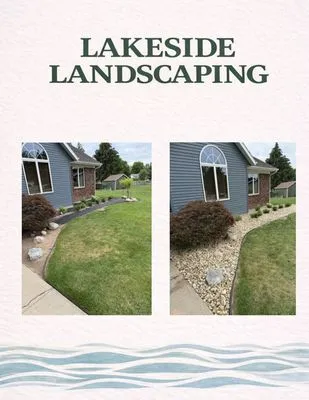
Lakeside Landscaping is a Rockford, MI-based landscaping company founded and operated by three dedicated high school students: Camden Stump, Adam Flanders, and Aidan Flanders. What began as a summer p...
Darneil Landscape Management
Darneil Landscape Management is a trusted, full-service landscaping company serving Ada, MI, and the surrounding communities. We specialize in comprehensive lawn care, expert tree services, and custom...
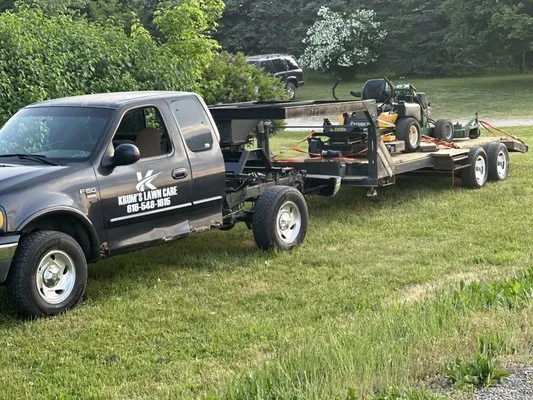
Krum's Lawn Care is a dedicated local lawn service provider serving Sheridan, MI, and the surrounding communities. We specialize in addressing the common local landscaping challenges many homeowners f...
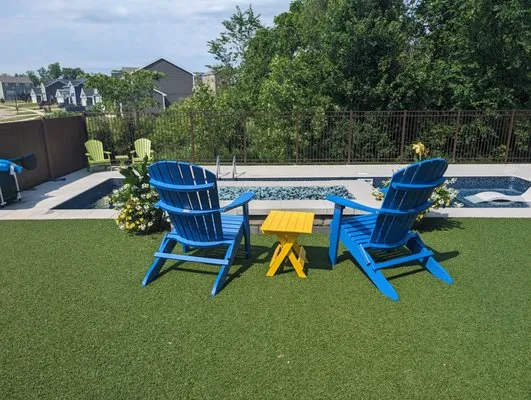
Purchase Green Artificial Grass - West Michigan
Purchase Green Artificial Grass - West Michigan has been serving the Lowell area since 2008, providing durable synthetic turf solutions for homes and businesses. Our Lowell showroom lets you see and f...
Estimated Landscaping Service Costs in Ada, MI
Frequently Asked Questions
Are concrete pavers or natural stone better than wood for durable landscaping?
Concrete pavers and natural fieldstone offer superior longevity to wood, with 25+ year lifespans versus wood's 10-15 years even with treatment. These materials maintain integrity through Michigan freeze-thaw cycles without rotting or insect damage. Their non-combustible nature supports Firewise defensible space requirements in low-risk urban/suburban interfaces. Properly installed with permeable bases, both options manage runoff effectively while providing stable surfaces that resist heaving in Ada's variable soil conditions.
Why does my Ada Village lawn have such compacted soil that needs annual aeration?
Ada Village properties built around 1954 have 72-year-old soil profiles where decades of foot traffic and traditional maintenance have degraded soil structure. The sandy loam common here naturally compacts over time, reducing permeability and oxygen availability to roots. Core aeration every 1-2 years addresses this by creating channels for water infiltration and mycorrhizae development. Adding organic compost after aeration improves water retention in sandy components while maintaining the optimal pH 6.2-6.8 range for nutrient availability.
Should I replace parts of my lawn with native plants to reduce maintenance?
Transitioning high-maintenance turf areas to native plantings like Butterfly Weed, Wild Bergamot, and Little Bluestem reduces mowing frequency, irrigation needs, and fossil fuel consumption from maintenance equipment. This approach aligns with evolving noise ordinance considerations regarding gas-powered blowers while supporting 2026 biodiversity standards. Native plant communities establish deeper root systems that improve soil structure and require no phosphorus fertilization, creating self-sustaining landscapes that thrive in USDA Zone 6a conditions.
How do smart irrigation systems maintain healthy turf without wasting water in Ada?
Smart Wi-Fi controllers with soil moisture sensors optimize irrigation by tracking evapotranspiration rates and actual soil conditions rather than operating on fixed schedules. These systems preserve Kentucky Bluegrass and Fine Fescue blends while reducing water use 30-40% compared to traditional timers. They automatically adjust for rainfall and seasonal changes, maintaining turf health within municipal conservation guidelines despite Ada's lack of formal water restrictions. Proper programming prevents overwatering in clay pockets where poor infiltration occurs.
What solutions work for seasonal drainage problems in Ada's sandy loam soils?
Seasonal high water tables in Ada require French drains or dry wells to redirect subsurface water, particularly in clay pockets where infiltration rates drop significantly. Permeable concrete pavers or natural fieldstone hardscapes meet Ada Township Planning and Zoning Department runoff standards by allowing water penetration rather than creating impervious surfaces. Grading adjustments of 1-2% slope away from foundations combined with rain gardens planted with Swamp Milkweed provide both drainage and ecological benefits in problem areas.
How quickly can you respond to an emergency tree cleanup after a storm in Ada?
Emergency storm response from our Roselle Park dispatch location typically reaches Ada Village properties within 20-30 minutes during peak conditions. We route via M-21 (Fulton St) which provides direct arterial access while avoiding residential congestion. This timing accommodates HOA compliance windows for debris removal while operating within standard 7:00 AM to 9:00 PM noise ordinance hours. Our electric maintenance fleet further minimizes neighborhood disruption during extended cleanup operations.
What permits and licenses are needed for grading work on my half-acre lot?
Grading that alters more than 100 square feet or changes water flow patterns requires an Ada Township Planning and Zoning Department permit, with specific requirements for erosion control during construction. Contractors must hold appropriate Michigan LARA licensing for earth moving and stormwater management on 0.50-acre properties. Unlicensed grading can create drainage issues affecting neighboring properties, potentially violating municipal codes. Professional oversight ensures proper compaction testing and final grade certification, preventing future settlement problems.
What invasive species should I watch for and how do I treat them safely?
Garlic mustard and Japanese knotweed present significant invasive risks in Ada's disturbed soils, particularly in older neighborhood lots. Manual removal before seed set combined with targeted spot treatments using phosphorus-free herbicides addresses infestations without violating local fertilizer ordinances. Treatment timing avoids blackout periods when pollinators are active, typically late fall after native plants have gone dormant. Regular monitoring of property edges near Roselle Park helps catch new invasions early when management is most effective.
