Top Landscaping Services in Yarmouth, ME, 04096 | Compare & Call


Yarmouth Landscaping provides comprehensive outdoor solutions for homes and businesses in Yarmouth, ME, and the surrounding coastal communities. As a local, full-service company, we handle everything ...
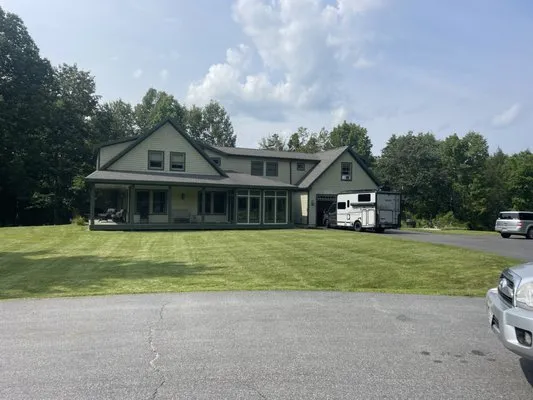
Littlefield Lawns is a dedicated lawn care provider serving Yarmouth, ME, specializing in creating and maintaining healthy, resilient lawns. We understand the common local challenges of poor lawn grad...
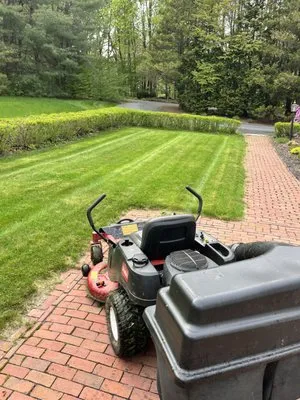
WL Lawns is a locally owned and operated lawn service business in Yarmouth, Maine, founded and run by Patrick Lynch. As a dedicated high school junior at Yarmouth High School, Patrick combines his com...

For over two decades, Johnson's Property Services has been a trusted name for comprehensive lawn care in Yarmouth and throughout Cumberland County. Founded on a deep understanding of Maine's unique gr...
Questions and Answers
We're considering a patio expansion. How does local granite compare to wood for durability and fire safety in Yarmouth?
Local granite offers superior longevity with minimal maintenance compared to wood, which requires regular sealing and replacement in Maine's climate. Granite's non-combustible properties support Yarmouth's Low Firewise USA community standards by creating defensible space around structures. Permeable granite paver installations manage stormwater runoff effectively while providing stable surfaces resistant to frost heave—a critical consideration given Yarmouth's high water table and freeze-thaw cycles.
Our yard stays soggy long after rains and we experience frost heave damage. What drainage solutions work with Yarmouth's acidic glacial till?
Yarmouth's high seasonal water table combined with acidic glacial till soil creates persistent drainage challenges. Installing French drains with proper gravel bedding and geotextile fabric can redirect subsurface water away from foundations. Using local granite and permeable pavers for hardscapes meets Yarmouth Planning and Development Department runoff standards by allowing water infiltration. These systems reduce frost heave risk by managing soil moisture fluctuations that cause expansion and contraction.
We've spotted invasive Japanese knotweed spreading near our property. How do we treat it without violating fertilizer regulations?
Japanese knotweed requires targeted herbicide applications during active growth periods, typically late spring through early fall. Treatment must avoid Yarmouth's ban on phosphorus-containing fertilizers, using glyphosate-based products applied directly to foliage rather than soil amendments. Professional applicators licensed through the Maine Department of Professional and Financial Regulation can implement sequential treatments over 2-3 growing seasons for complete eradication while monitoring for regrowth from the extensive root system.
How can we maintain healthy Kentucky Bluegrass and Fine Fescue turf while conserving water in Yarmouth?
Wi-Fi ET-based weather sensing irrigation systems calculate evapotranspiration rates specific to Yarmouth's USDA Zone 5b conditions. These systems automatically adjust watering schedules based on real-time weather data, reducing water use by 20-30% compared to traditional timers. While Yarmouth has no formal water restrictions, this technology ensures your turf receives precise moisture levels during critical growth periods from May through October, preventing both drought stress and wasteful overwatering.
Our 1970s Yarmouth home has patchy grass despite regular care. What's happening with the soil?
Yarmouth's Village Center lots developed around 1970 have acidic glacial till soil that has matured for 56 years. This soil type naturally compacts over decades, reducing permeability and oxygen availability to roots. Core aeration every 2-3 years combined with organic amendments like composted pine bark can improve soil structure. The pH range of 5.5-6.2 requires monitoring, as many turf grasses prefer slightly higher pH levels for optimal nutrient uptake.
We want to regrade our 0.35-acre lot to improve drainage. What permits and professional requirements apply in Yarmouth?
Grading work on 0.35-acre lots in Yarmouth requires review by the Planning and Development Department for compliance with erosion control and stormwater management regulations. Contractors must hold appropriate licensing through the Maine Department of Professional and Financial Regulation, particularly for earthmoving exceeding 100 cubic yards. Professional site plans should include soil percolation testing data and demonstrate how modified grades will integrate with existing drainage patterns without affecting neighboring properties.
We want to reduce lawn maintenance and noise from gas equipment. What native plant options thrive in Yarmouth?
Transitioning to native plantings like Highbush Blueberry, Bayberry, Purple Coneflower, New England Aster, and Serviceberry creates resilient landscapes requiring minimal maintenance. These species have evolved for Yarmouth's acidic soil conditions and support local pollinators while reducing watering needs by 60-80% compared to traditional turf. As electric maintenance equipment becomes standard to comply with noise ordinances, native plantings further decrease the frequency of mowing and blowing operations throughout the growing season.
A storm damaged trees on our property and we need emergency cleanup to meet HOA requirements. How quickly can you respond?
Emergency storm response from Royal River Park via I-295 typically requires 15-20 minutes during peak conditions. Our electric fleet operates within Yarmouth's noise ordinance hours (Mon-Fri 7am-8pm, Sat-Sun 8am-8pm) for immediate debris removal. We prioritize safety assessments first, then implement systematic cleanup to restore property access and prevent further damage from compromised trees.
