Top Landscaping Services in Washington, ME, 04574 | Compare & Call

There are 61 landscaping companies server in Washington ME
Earth & Turf Landscape Solutions
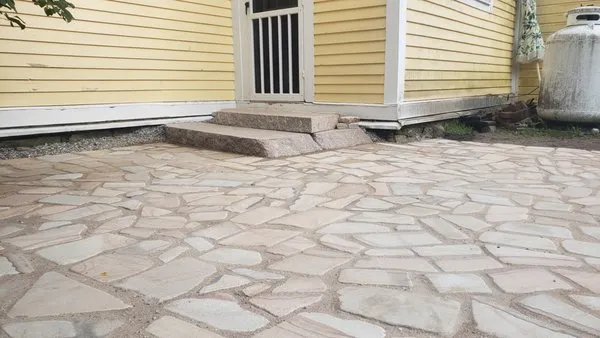
Earth & Turf Landscape Solutions is a Lewiston-based company founded in 2025, built on over eight years of specialized experience. The owner honed their skills as an install foreman for a mid-coast la...
Conscious Builders is a veteran-owned general contracting and landscaping company proudly serving Westbrook and the broader Southern, Central, and Lakes regions of Maine. We handle projects of all siz...
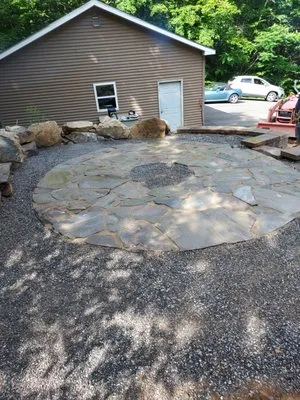
A To Z Dirtworks is your local Chelsea excavation and landscaping expert, tackling everything from foundational earthmoving to final landscape design. We understand the unique challenges of Maine prop...
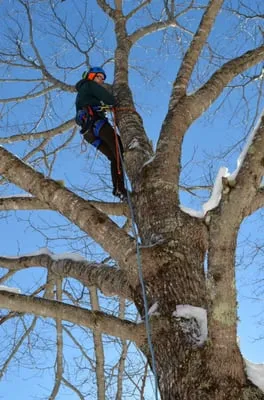
Ian Ferrel, the owner of Ferrel Tree & Garden in Jackson, ME, is a dedicated family man and outdoor enthusiast whose passion for nature directly fuels his work. With seven years of experience as a lan...
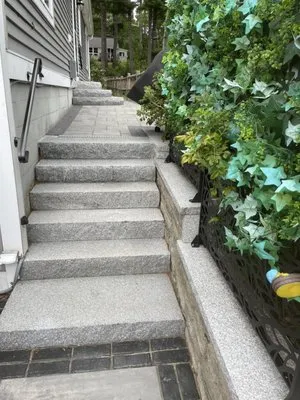
Aceto And Sons Landscape Construction
Aceto and Sons Landscape Construction is a family-owned and operated business serving the Brunswick, Maine, community. Founded and led by Matthew Aceto, a nationally recognized stonemason with over tw...
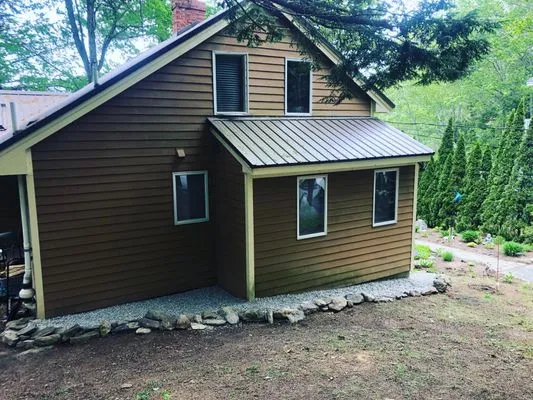
Roots Of The Wild Sun is a local Pownal landscape company founded on a deep passion for the earth and sustainable gardening. Established in 2023, we believe in starting a process of positive environme...
SolsticeScape is a full-service landscaping company serving Durham, ME, and the surrounding communities. We specialize in creating beautiful, functional outdoor spaces that enhance your property and s...

Reyer Lawncare And Snow Removal
Reyer Lawncare And Snow Removal is a trusted local provider in Damariscotta, ME, offering comprehensive excavation, landscaping, and snow removal services. Many Damariscotta homes face common landscap...
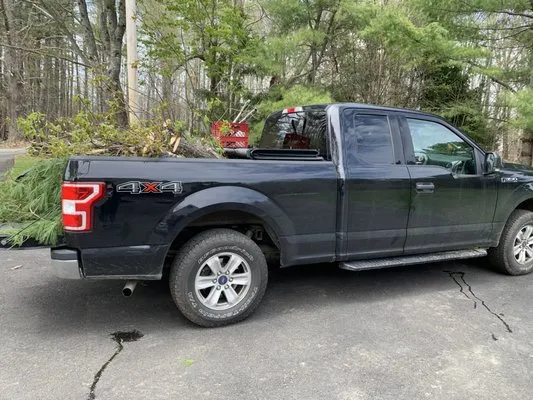
Local Errand Runners is your go-to neighbor in Waldoboro for taking on the tasks that take up your day. We specialize in helping residents reclaim their time and space. From clearing out old appliance...
CNC Family Landscaping & Tree Service is a trusted, family-owned business serving Augusta and surrounding communities. With over a decade of experience, we combine professional expertise with a person...
Estimated Landscaping Service Costs in Washington, ME
FAQs
Our Washington Village Center property has acidic sandy loam soil - why does it seem so compacted and what should we do about it?
Properties in Washington Village Center built around 1985 have 41-year-old soil systems that have experienced decades of foot traffic and equipment compaction. Acidic sandy loam (pH 5.5-6.2) naturally compacts over time, reducing permeability and oxygen availability to root zones. Core aeration every 2-3 years creates channels for water infiltration while incorporating organic amendments like composted leaf mold improves soil structure. This combination addresses the dual challenges of compaction and acidity common in established Washington neighborhoods.
We want to reduce lawn maintenance and noise - what native plant options work in Washington's climate?
Replacing high-maintenance turf with native plant communities addresses both ecological and operational concerns. Lowbush blueberry, northern bayberry, sweetfern, and Canada lily establish resilient ground covers that require minimal mowing and no gas-powered maintenance. These species thrive in USDA Zone 5b conditions and acidic sandy loam while providing year-round visual interest and wildlife habitat. Transitioning to electric maintenance equipment for remaining turf areas keeps operations within noise ordinance limits while reducing carbon emissions.
We need emergency storm cleanup to meet HOA compliance deadlines - how quickly can your crew respond?
Our electric maintenance fleet can dispatch from Washington General Store within 30 minutes of notification, traveling via Route 17 to reach Washington Village Center properties in 45-60 minutes during peak response scenarios. We coordinate with local emergency services to prioritize blocked driveways and hazardous tree limbs while maintaining compliance with Washington's 7 AM to 9 PM noise ordinance. This rapid response protocol ensures safety while meeting HOA vegetation management requirements following severe weather events.
What invasive species should Washington property owners watch for, and how do we treat them safely?
Japanese knotweed and glossy buckthorn present significant threats in Washington's woodland-urban interface, spreading rapidly through root systems and bird-dispersed seeds. Treatment requires careful timing outside of Maine's mandatory phosphorus restriction periods, typically using targeted herbicide applications in late summer when plants translocate chemicals to root systems. Manual removal combined with native plant restoration creates competitive environments that resist reinfestation. Always verify treatment plans with the Maine Board of Pesticides Control to ensure compliance with statewide regulations.
Should we install irrigation despite Washington's abundant rainfall, and how would it work with our Kentucky bluegrass lawn?
Drip irrigation with soil moisture sensors provides precise water delivery that complements Washington's seasonal rainfall patterns. These systems monitor soil conditions and apply water only when ET rates indicate need, typically supplementing natural precipitation during dry periods in July and August. For Kentucky bluegrass and fine fescue mixes, this technology maintains optimal soil moisture at 4-6 inch depths without overwatering. Even without municipal restrictions, this approach conserves water resources while promoting deeper root development for drought resilience.
We're considering patio materials - how does local granite compare to wood for longevity and fire safety?
Local granite and fieldstone offer superior longevity and fire resistance compared to wood in Washington's moderate fire-wise rating zones. These materials provide permanent hardscape solutions that withstand freeze-thaw cycles without deterioration, maintaining structural integrity for decades. For properties in woodland-urban interfaces, stone patios and pathways create defensible space by eliminating combustible materials within 30 feet of structures. Granite's thermal mass also moderates temperature extremes, reducing heat island effects while providing stable surfaces resistant to frost heave damage.
What permits and licenses are required for grading and planting on our 2.5-acre Washington property?
Grading work on 2.5-acre lots in Washington requires erosion control permits from the Washington Town Office Planning Board when disturbing more than one acre of soil. The Maine Board of Pesticides Control licenses professionals applying any soil amendments or treatments, with specific certifications needed for phosphorus-restricted applications. Drainage modifications affecting water flow patterns may trigger additional review under municipal stormwater management ordinances. Always verify contractor licensing through state databases before commencing work that alters soil profiles or hydrological patterns on larger properties.
Our property experiences seasonal flooding and frost heave - what drainage solutions work with Washington's high water table?
Washington's high water table and frost heave cycles require permeable drainage systems that accommodate both surface runoff and subsurface water movement. Local granite and fieldstone dry creek beds with French drain systems provide natural-looking solutions that meet Washington Town Office Planning Board runoff standards. These installations work with acidic sandy loam's drainage characteristics by creating pathways for water to percolate away from structures while resisting frost damage. Proper grading with 2% minimum slope ensures water moves toward designated drainage points without pooling.
