Top Landscaping Services in Warren, ME, 04864 | Compare & Call
There are 60 landscaping companies server in Warren ME
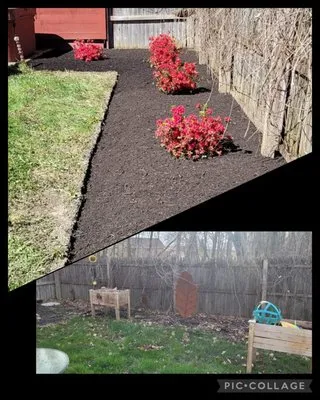
Baker's Landscaping and Property Solutions is a family-owned and operated business proudly serving China, ME, and the surrounding communities. Founded with a single mower and a strong work ethic, we'v...
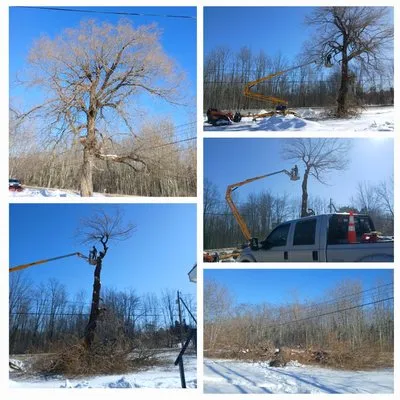
The Stump Guy is your trusted local tree service and landscaping expert in Lincolnville, ME. We specialize in resolving common local landscaping challenges like tree root lawn damage and unsightly bar...
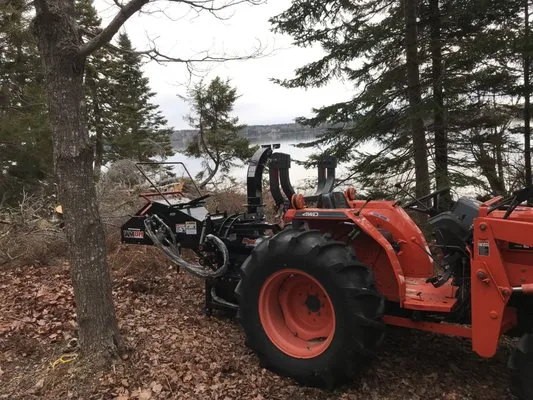
Downeast Tractor Service in Steuben, ME, is a locally owned and operated landscaping business that started from humble beginnings. In 2008, the owner purchased a tractor for personal use to manage 30 ...
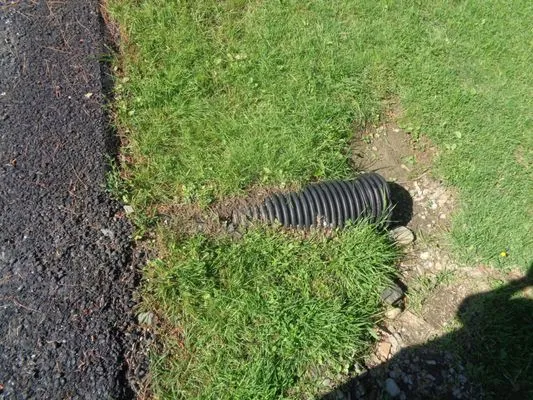
Serving Corinna and surrounding areas, Shorettes Driveway Maintenance is a full-service landscaping and excavation company dedicated to building and maintaining durable, functional outdoor spaces. We ...
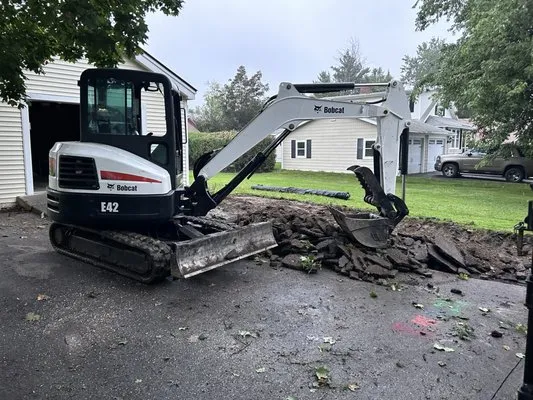
Pave It in Newburgh, ME is a family-owned masonry, concrete, excavation, and landscaping business with 15 years of experience serving residential and commercial clients. Founded by Richard Palmer, a M...
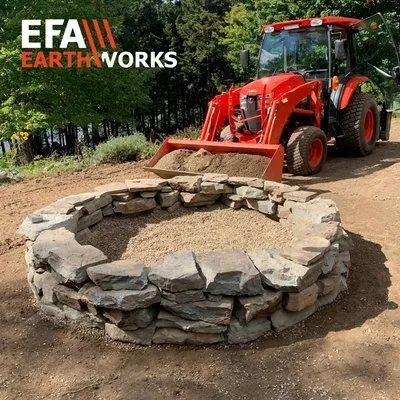
EFA Earthworks is a Hampden-based excavation and landscaping company serving Central and Coastal Maine. With expertise in everything from site preparation and land clearing to trenching and hardscape ...
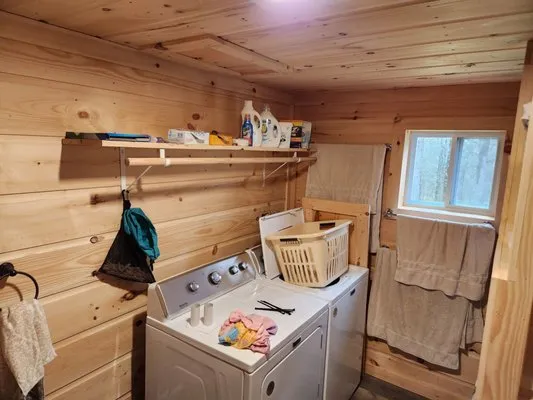
The Carroll's in Burnham, ME, is your trusted local handyman and lawn care expert. We understand that Burnham homeowners often face the dual challenge of maintaining a healthy lawn while keeping up wi...

All American Construction in Swanville, ME, is your local partner for transforming and maintaining your property. As a trusted general contractor and landscaping specialist, we handle everything from ...
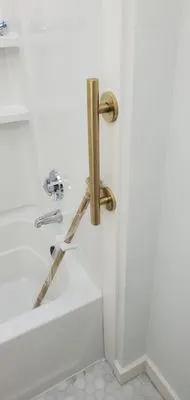
James Johnson Handyman Service is a reliable, locally-owned operation serving Belfast, ME, and the surrounding communities. We focus on practical solutions for homeowners, handling a wide range of tas...
Four Seasons Property Maintenance
Four Seasons Property Maintenance is a family-owned business based in Swanville, Maine, dedicated to serving Waldo County and surrounding areas. We specialize in comprehensive outdoor property solutio...
Estimated Landscaping Service Costs in Warren, ME
Frequently Asked Questions
What permits and credentials should I verify before hiring for major grading work?
Any significant grading or earthmoving on a 1.5-acre lot in Warren requires checking credentials with the Maine Department of Professional and Financial Regulation for proper licensing. The Warren Code Enforcement Office must issue a permit for work that alters drainage patterns or involves substantial cut and fill. Due to the property size and potential for silt runoff, hiring an unlicensed operator risks code violations and long-term environmental damage to the sensitive marine silt soils.
What's your response time for an urgent storm debris cleanup to meet HOA standards?
For emergency cleanup in Warren, our dispatch from the Warren Town Office uses US Route 1 for primary access, with a standard regional service response of 45-60 minutes. We coordinate arrival within the local noise ordinance window of 7 AM to 9 PM for electric equipment operation. This routing ensures efficient debris removal while adhering to community compliance timelines and minimizing disturbance.
Are granite pavers a better choice than wood for a new patio?
Local granite pavers offer superior longevity and require virtually no maintenance compared to wood, which decays in Maine's humid climate. Granite is non-combustible, a key advantage for creating defensible space in Warren's Moderate Wildland-Urban Interface (Fire Wise) rating. Its permeability, when installed with proper jointing sand, also aids in managing the site's natural drainage challenges more effectively than solid surfaces.
Is there a lower-maintenance, eco-friendly alternative to my traditional lawn?
Transitioning areas to a xeriscape with native plants like Lowbush Blueberry, Northern Bayberry, and Sweetfern significantly reduces water, mowing, and chemical inputs. These plants are adapted to Zone 5b and acidic soils, supporting local biodiversity. This shift also future-proofs your property against evolving noise ordinances that restrict gas-powered blowers and mowers, moving you toward a quieter, electric maintenance fleet.
What are the biggest threats to my landscape's health, and how do I manage them?
Invasive species like Japanese Knotweed and Glossy Buckthorn pose significant risks in Warren. Manual removal or targeted, organic-approved herbicide application during active growth phases is required. Any treatment must comply with Maine DEP's mandatory phosphorus restriction, meaning most standard lawn fertilizers are prohibited. A soil test is essential to guide amendments that address deficiencies without violating ordinance blackout dates.
My yard is soggy for months. What's a permanent solution for poor drainage?
High seasonal saturation from poorly drained marine silt is common in Warren's acidic soils. A functional solution involves installing a French drain system tied to a dry well or daylighted outlet. Using permeable local granite pavers or crushed stone for any new patios or walkways increases surface infiltration. This approach manages runoff effectively and typically meets the Warren Code Enforcement Office's standards for managing on-site stormwater.
How can I maintain a healthy lawn in Warren without wasting water?
Smart rain-sensor controlled drip irrigation is the optimal system for Warren's climate and Kentucky Bluegrass/Fine Fescue mix. It applies water directly to the root zone, reducing evaporation and aligning application with actual evapotranspiration (ET) rates. While there are no formal water restrictions, this technology enforces seasonal conservation by automatically pausing during rainfall, keeping your turf resilient within municipal water system limits.
Why does my lawn struggle in Warren Village even with proper care?
Most properties in Warren Village, built around 1983, have soils that are now 43 years post-construction. This acidic glacial till (pH 5.5-6.2) is often compacted from decades of use and lacks mature organic matter. The soil's low permeability and high density inhibit root growth for Kentucky Bluegrass. Core aeration in early fall, followed by a top-dressing of compost, is critical to improve soil structure and microbial activity for long-term health.
