Top Landscaping Services in Troy, ME, 04987 | Compare & Call
There are 70 landscaping companies server in Troy ME
Young's Lawn Care & Plowing is your local Pittsfield partner for a healthy, well-maintained yard. We specialize in comprehensive lawn care services, tackling common regional challenges like moss growt...
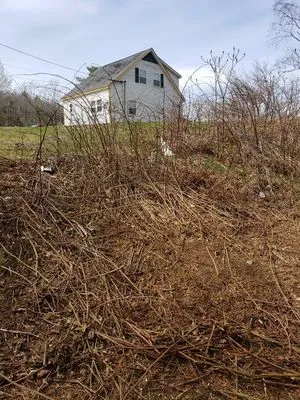
Gordon's Lawn Care is a family-owned and operated lawn service business based in Belfast, Maine. As the owner-operator, I bring a personal, hands-on approach to every project, ensuring reliable and at...

Go Green Lawn Service provides Charleston residents with quiet, professional lawn care using fully electric equipment. We offer mowing, trimming, and power washing, eliminating the noise and fumes ass...
Little River in Belfast, ME, is a landscaping company dedicated to creating durable, functional outdoor spaces for local residents. We specialize in comprehensive landscape construction and design, in...

Lakeview Lawn Care is a trusted Thorndike, ME-based provider of professional tree services and landscaping solutions. We specialize in landscape maintenance, tree care, and tree removal, helping local...
Have Granite Will Travel is a Troy-based landscaping business specializing in granite solutions for local property challenges. Many homes in the area face issues like mulch bed weeds and rock garden s...
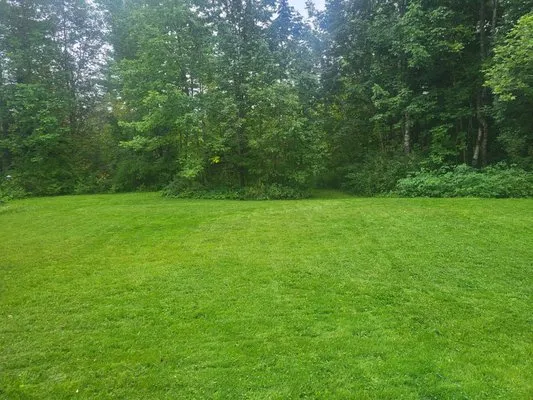
Skippies Lawn Care is a Thorndike-based provider dedicated to keeping your property looking its best. We specialize in comprehensive lawn care services tailored to the specific needs of our community....
DT Lawncare
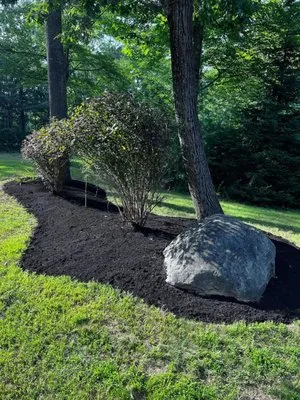
DT Lawncare is a versatile, locally-owned service provider in Newport, ME, dedicated to maintaining and improving outdoor spaces with quality work and fair pricing. We specialize in a comprehensive ra...

Outback Gearheads is your trusted local partner in Pittsfield, ME, for comprehensive property solutions. We specialize in landscaping, junk removal, and tree services, helping homeowners tackle common...

Brasslett Lawn Care is a trusted local lawn service provider serving Etna, ME, and the surrounding areas. We specialize in comprehensive lawn care solutions designed to address common landscaping chal...
Estimated Landscaping Service Costs in Troy, ME
FAQs
What are alternatives to constant mowing and blowing?
Transitioning high-maintenance turf areas to native plantings reduces both maintenance frequency and noise pollution concerns. Lowbush Blueberry, Canada Serviceberry, Common Winterberry, and New England Aster establish deep root systems that require minimal irrigation once established. These species provide year-round visual interest while supporting local pollinators. Electric maintenance equipment now handles any necessary trimming within daytime decibel limits.
Should I use stone or wood for patios and pathways?
Native fieldstone and crushed granite offer superior longevity to wood in Maine's climate, with 30+ year lifespans versus wood's 10-15 years. These materials provide non-combustible surfaces that contribute to defensible space in Troy's moderate fire risk rating zones. Properly installed stone hardscapes require minimal maintenance while allowing water permeability. The initial investment returns value through reduced replacement cycles and enhanced property resilience.
How quickly can you respond to storm damage for HOA compliance?
Emergency cleanup crews dispatch from the Troy Town Office location with electric equipment to comply with daytime noise ordinances. Using Maine State Route 9 provides the most direct access to Troy Village Center properties. During peak storm conditions, expect 45-60 minute response times for fallen limb removal and debris management. Our electric fleet operates within 7 AM to 9 PM decibel limits while maintaining rapid neighborhood access.
How do I prevent frost heave and seasonal flooding?
Troy's high water table combined with acidic sandy loam creates significant frost heave and spring drainage challenges. Installing permeable hardscapes using native fieldstone or crushed granite allows surface water infiltration while meeting Town of Troy Planning Board runoff standards. French drains should be placed 18-24 inches deep with clean gravel backfill to intercept groundwater before it reaches foundation levels. These systems work year-round to manage both freeze-thaw cycles and seasonal saturation.
Should I install irrigation with Troy's abundant groundwater?
Even without municipal water restrictions, drip irrigation with soil moisture sensors represents best practice for water conservation. This system delivers precise hydration to Kentucky Bluegrass and Fine Fescue root zones while preventing surface evaporation. Sensors trigger irrigation only when soil moisture drops below optimal levels, typically using 30-50% less water than traditional sprinklers. This approach maintains turf health while preparing for potential future regulatory changes.
What permits and licenses are needed for grading my 2.5-acre property?
Grading work on Troy's 2.5-acre lots requires both municipal approval and professional licensing. The Town of Troy Planning Board reviews erosion control plans for any disturbance exceeding 5,000 square feet. Contractors must hold Maine Department of Professional and Financial Regulation licensing for excavation work, with additional certification for stormwater management. These requirements ensure proper sediment control and compliance with state shoreline protection standards.
How do I control invasive plants without chemical runoff?
Japanese Knotweed and Garlic Mustard present the greatest invasive threats in Troy's rural-forested interface. Manual removal during early growth stages prevents seed set without chemical intervention. For established infestations, targeted glyphosate applications in late summer follow statewide Shoreland Zoning nutrient management standards. Always apply during dry periods with no rain forecast for 48 hours to prevent groundwater contamination. Proper disposal at designated facilities prevents reinfestation.
Why does my lawn have compacted soil with poor drainage?
Troy properties built around 1986 have 40-year-old soil systems that have settled into acidic sandy loam profiles. The Troy Village Center area developed on glacial till deposits naturally creates pH 5.5-6.2 conditions that compact over decades. Core aeration every 2-3 years introduces oxygen channels while adding composted organic matter raises cation exchange capacity. This combination addresses both permeability issues and nutrient availability in mature residential soils.
